50 Million Tree Program Reduces Tree Planting Costs for Landowners in the Niagara Watershed
Forests Ontario has planted almost 600,000 trees in the Niagara region

A Call-Out to Tree Lovers in Niagara from Forests Ontario, a not-for-profit charity organization in the province, dedicated to planting trees
Posted February 7th, 2020 on Niagara At Large
A Brief Foreword from Niagara At Large reporter and publisher Doug Draper –
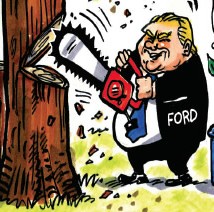 Early this past year, Ontario’s Ford Government confirmed once again that when it comes to protecting and preserving our natural environment, it could care less.
In April 2019, much to the chagrin of many tree lovers across Ontario, and Conservation Authorities, including the Niagara Pensinula Conservation Authority, that work with landowners and community volunteers to plant trees for the future, the Ford government decided to completely cut more than $4 million in annual funding to the charity group, Forests Ontario, 50 Million Tree Program, effectively killing it.
Fortunately, Canada’s Trudeau Government decided in June 2019, to step in and cover the cost of the program – a move that will hopefully keep it going, in an era of climate crisis when we need trees more than ever before, for many years to come.
Now here is a February 7th, 2020 news release from Forests, Ontario, encouraging landowners and others in the Niagara Watershed to step forward and help with the continuation of planting trees for present and future generations. –
A News Release from Forests Ontario, February 7th, 2020 –

Planting trees in our province, Photo courtesy of Forests Ontario
Property owners in the Niagara watershed plan to plant more than 45,000 trees in 2020 under Forests Ontario 50 Million Tree Program (50 MTP), according to new data.
Forests Ontario recently modified the program’s criteria. In the past, landowners needed to commit to planting on 2.5 acres of land to participate in the 50 MTP, but now anyone with room to plant a minimum of 500 trees may apply. Though planting sites vary, 500 trees can usually be planted on less than one acre.
“The 50 MTP is better and more accessible than ever,” said Rob Keen, Registered Professional Forester and CEO of Forests Ontario. “The new, expanded criteria opens the program to more land and property owners, meaning more trees in the ground. It’s a win-win for landowners, who save on tree planting costs, and for the environment.” Continue reading →
Share this: Niagara At Large at wwwlniagaraatlarge.com





 “It was credited with effectively ending the Hollywood blacklist and has been recognized as providing social commentary on the Civil Rights Movement in its treatment of women, African-Americans, and same-sex relationships.” – Classics Professor at Brock University, Katharine von Stackelberg, reflects on legacy of Spartacus

 “This is a systemic problem across the province where climate-related impacts are left out of the picture for Ontario’s forests despite the legal requirement for it to be included.”
 ‘Ontario’s industrial carbon pricing plan is weak
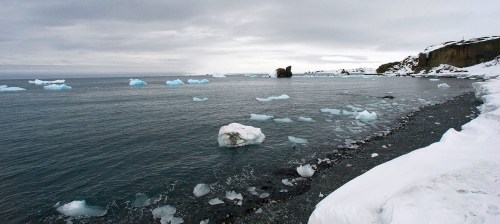
 Anyone who still thinks that the melting of our planet’s polar ice caps – happening much faster than experts predicted even 10 or 20 years ago – is not going to have a drastic impact on climate conditions for all of us – conditions that lead to even more costly and devastating floods, droughts, wildfires, violent windstorms and the collapse of plant and animal species – has not been paying attention to the science and the growing number of expert reports on what is going on.












 An Invite to a Community Solar Forum from the Sierra Club’s Niagara Group in Buffalo
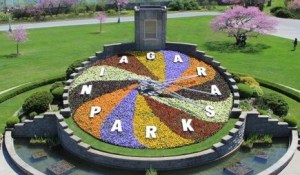 News from Ontario’s Niagara Parks Commission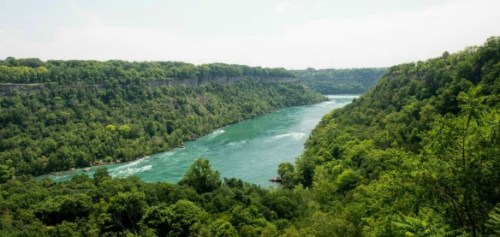

 Niagara, O

 A Brief Foreword Note from NAL publisher Doug Draper –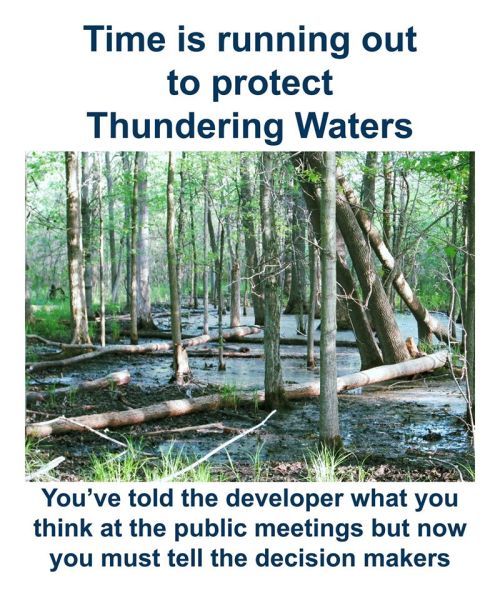
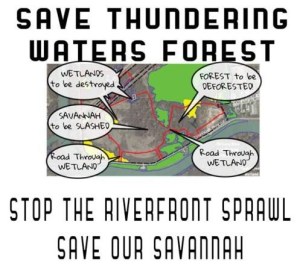
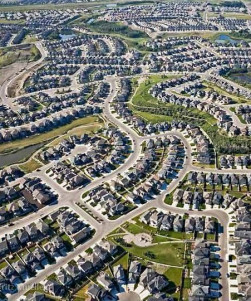 Here we now are in the second decade of the 21st Century, with a potentially catastrophic climate emergency facing us down, and we still have individuals in decision-making positions and developers, stuck in the last century and ready to pave over even more of what’s left of Niagara’s natural heritage.
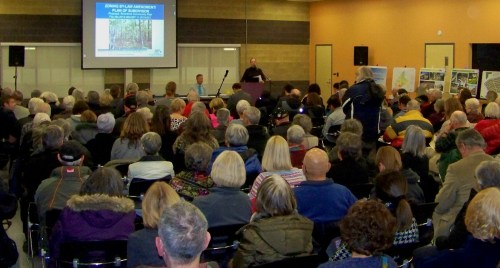
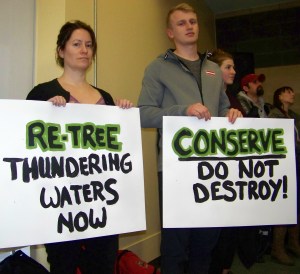


 Four year!

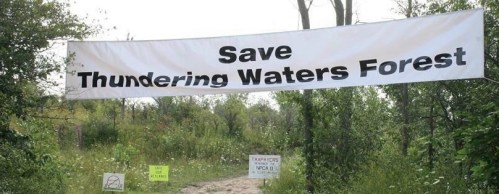
 It would mean an investment of $1.5 billion into the Niagara region, claim the representatives of the China-based GR (CAN) Investment firm that have been pressing for more than four years now to build a residential and commercial complex within the perimeters of 484 acres of lands many of us in Niagara, Ontario have come to know as the Thundering Waters Forest.

 Niagara, Ontario – Niagara Region is changing the price of garbage tags from $2.00 per tag to $2.50 effective Feb. 1, 2020. This is to move towards full cost recovery of garbage collection and part of our continued effort to increase the diversion of recyclable and organic materials, which are currently being placed in the garbage stream.


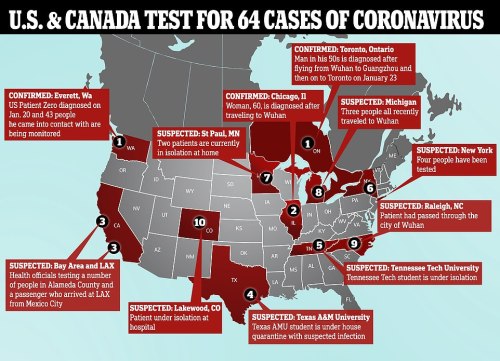
 TORONTO — Today, Dr. David Williams, Ontario’s Chief Medical Officer of Health, announced Ontario’s first presumptive confirmed case of Wuhan novel coronavirus in Toronto.

 (The following commentary by Linda McKellar is a response to a January 22nd, 2020 news release from Niagara Falls NDP MPP Wayne Gates.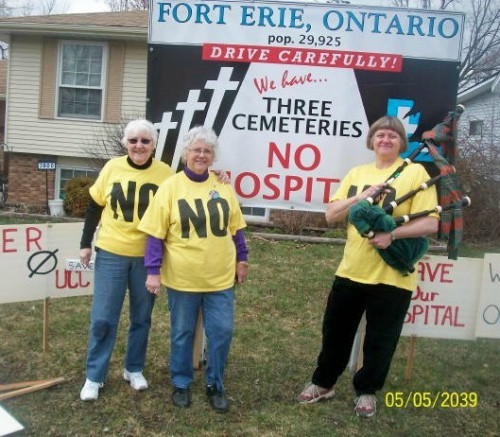



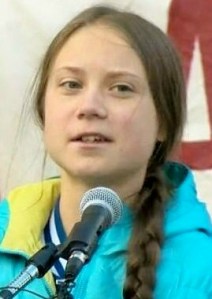
 “Our house is still on fire,” added the young climate activist, in conclusion. “Your inaction is fueling the flames by the hour. And we are telling you to act as if you loved your children above all else.”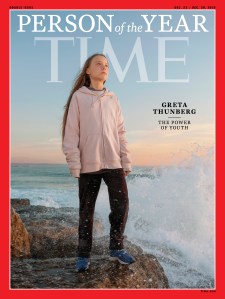
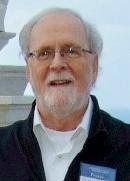 A Free Event in St. Catharines, Ontario, with Holocaust Survivor and Book Author Jack Veffer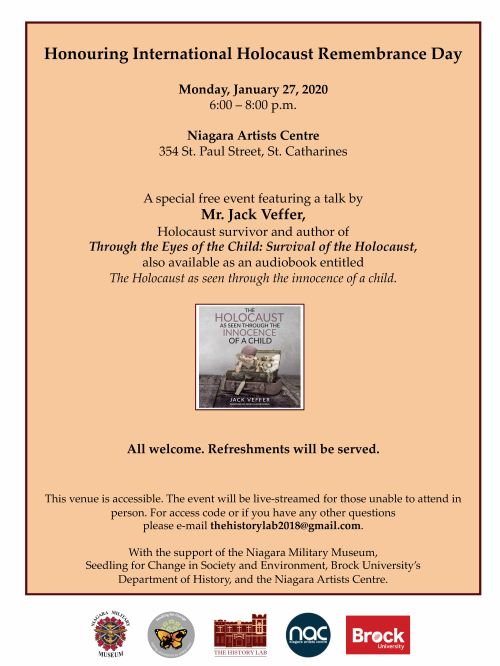
 NIAGARA AT LARGE encourages you to join the conversation by sharing your views on this post in the space following the Bernie Sanders quote below.


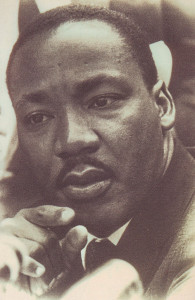 “I have a dream that my four little children will one day live in a nation where they will not be judged by the color of their skin but by the content of their character.” – from the iconic address that the late American Civil Rights Leader Martin Luther King Jr. delivered during the Civil Rights Movement’s historic March on Washington in August of 1963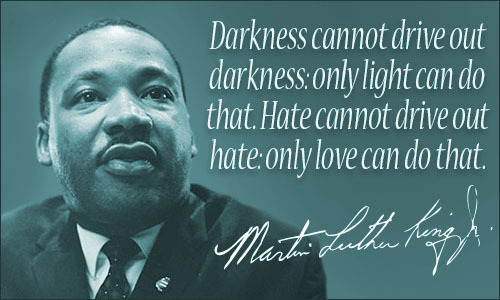

 QUEEN’S PARK –


 Niagara, Ontario – On Wednesday, January 15th at 1 p.m., Brock University will join other post-secondary institutions across the country in a moment of silence to remember the victims of Ukraine International Airlines Flight PS752.


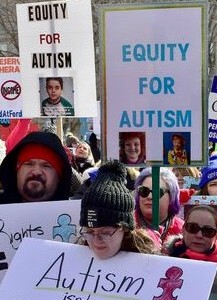 “Your government seems to have no sympathy or understanding for the incredible strain that it (autism) puts these families under, both emotionally and financially.” – Niagara Centre MPP Jeff Burch, in an Open Letter to Ontario Minister of Children, Community and Social Services Todd Smith
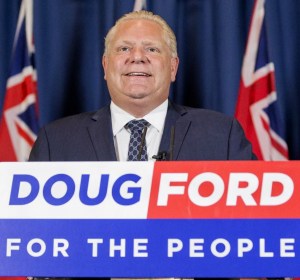 Indeed, Ford has used the mantra “for the people” so often in front of the word “party” or “government,” that you almost have to be reminded that it is the old “Progressive Conservative Party” and it is a “Progressive Conservative Government” that is very light on the “Progressive,” that he is actually talking about.