
“Biodiversity offsetting should not be part of wetland discussions and any thought to the contrary is simply uninformed and incorrect. The science says so and so do most of our wetland policies and protocols in Canada.”
By Barry Warner, Professor of Wetland Ecology, University of Waterloo
A Special to Niagara At Large
Posted May 2nd, 2016
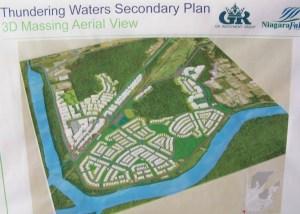
Some of the information presented in media reports regarding the wetlands in the vicinity of Dorchester and Oldfield Roads in Niagara Falls, Ontario (where the proposed …. Thundering Waters/”Paradise Community” development is proposed to go on hundreds of acres of land) needs clarification and correction.
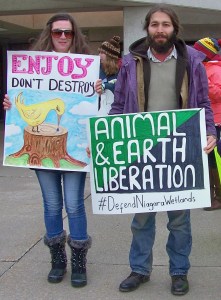
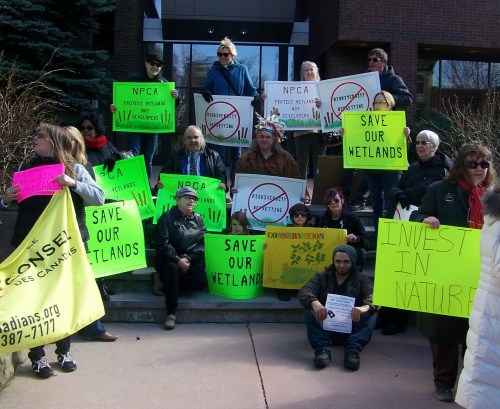
Two of the hundreds of Niagara residents who have attended meetings and rallies in recent weeks to stop a bid by the Niagara Peninsula Conservation Authority to “offset” – take that to mean destroy – wetlands in Niagara to make way for sprawling development.
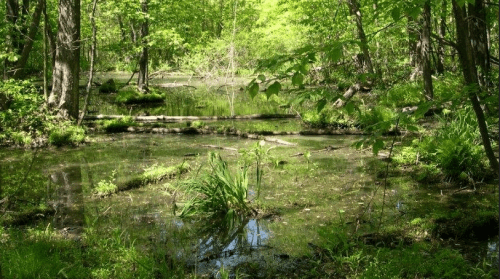
Despite great progress in recent decades, wetlands continue to be enigmatic and poorly understood habitats. They have characteristics in common with both terrestrial and aquatic ecosystems.
By scientific definition, they are their own discreet ecosystems with unique wetland attributes in addition to the shared attributes found in each of terrestrial and aquatic ecosystems too. Thus, it might be understandable that concepts and interpretations get confused by the non-specialist or lay persons.
Wetlands are not only attractive hotspots of biodiversity and important water features; they have also played central roles in shaping the history of our nation and possess great spiritual connections to our Mother Earth. Continue reading




























 “New York values” – meaning a state populated with too many people with funny accents, hard-to-pronounce names, and a diversity of skin colours, faiths and lifestyles that stray frightfully far away from those old-time values he vows to defend as he ever so righteously clutches a copy of ‘the Good Book’ in his right hand.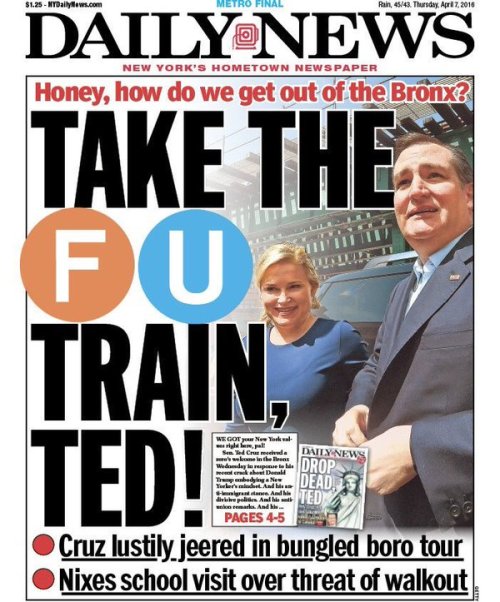

 Niagara At Large