Region’s Plan to Expand Merritt Road in Welland, Pelham and Thorold Area Could Spell Doom for Any and All Provincially Significant Wetlands That Happen to Be in the Way
A News Commentary by Niagara At Large reporter/publisher Doug Draper
Posted May 10th, 2024 on Niagara At Large
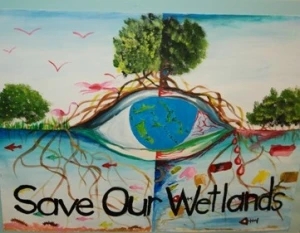
Signs like this were often seen at public rallies in Niagara over the past decade where citizens called on our politicial leaders to save what is left of our natural places.
Should we be playing Mother Nature with wetlands that have been evolving here, nourishing wildlife, buffering their surroundings from flooding and serving as natural purifying systems for our water for countless thousands of years?
Should we try replacing these age-old wetlands with new ones we try constructing to make way for more roads and urban sprawl?
There are at least some urban planners and developers who still believe we should and the term they have often used for this idea of creating one wetland to make up for bulldozing over another is “biodiversity offsetting.”Continue reading →
Share this: Niagara At Large at wwwlniagaraatlarge.com
“It’s long past time to provide a benefit for the people who are putting in long hours to make sure loved ones are cared for.” – Niagara Falls NDP MPP Wayne Gates
News from Ontario’s New Democratic Party
Posted May 9th, 2024 on Niagara At Large
Niagara Falls MPP Wayne Gates whose riding includes Niagara Falls, Fort Erie and Niagara-on-the-Lake has been after the Ford government to provide better quality care and more resources for staff in long-term-care homes for years.
QUEEN’S PARK – MPP Wayne Gates (Niagara Falls), Official Opposition critic for Long Term care will introduce a motion that would provide a benefit for people providing full or part time care for loved ones.
“So many of us become a caregiver for a loved one at some point in our lives,” said Gates. “It’s essential, intensive, and sometimes full-time work that can often go completely unpaid. It’s long past time to provide a benefit for the people who are putting in long hours to make sure loved ones are cared for.”
Millions of Ontarians(– a majority of whom are women – reported that they provide unpaid care for family and friends. From basic medical tasks to administrative support, caregivers provide an endless stream of support, often with significant financial cost.Continue reading →
Share this: Niagara At Large at wwwlniagaraatlarge.com
Exercise Heatwave to take place between May 7th and9th
A News Release from the Government of Ontario
Posted May 7th, 2024 on Niagara At Large
(A Brief Foreword Note from Niagara At Large reporter/publisher Doug Draper – While reading this News Release from a Ford Government that has done so little to address our climate crisis and has actually done more to fuel it, it is hard to know whether to laugh or to cry tears of dismay and anger.
Do Doug Ford and his enablers have any idea why we are having more frequent extreme heat emergencies?
Does it dawn on them that scientists around the world are now convinced, based on real evidence, that there is a link between these more frequent extreme heat episodes and a continued rise in global temperatures due, in no small part, to governments like Ford’s failing to take the leadership so urgently needed to address the climate crisis?Continue reading →
Share this: Niagara At Large at wwwlniagaraatlarge.com
Niagara, Ontario –Niagara Region is looking for input from the public as well as a variety of public and private sectors to help develop a Waste Management Strategic Plan (the Plan) that will provide the framework and direction for waste management in the region over the next 25 years.
The Waste Management Strategic Plan will look at a variety of services and programs affecting waste management in the region and consider possible options such as current service levels, introduction of new programs, disposal capacity and alternative technologies. Continue reading →
Share this: Niagara At Large at wwwlniagaraatlarge.com
Please Read Below to Find Out How You Can Act Now in this Important Effort
News from Herb Sawatzky at 50by20Niagara, a citizens group advocating for action at the local and regional level to address the climate crisis
Posted May 6th, 2024 on Niagara At Large
We are on the cusp of bringing District Energy to Niagara!!
Yes, you read that right – district energy could finally be coming to Niagara, and yes this is a very big deal!
It would mean affordable energy for homes and businesses that is (almost) carbon free.
District Energy is a highly efficient way to heat and cool a large number of buildings by providing heating/cooling from a central source.Continue reading →
Share this: Niagara At Large at wwwlniagaraatlarge.com
Partners seeking community feedback to change status of environmental indicator
News and a Call-Out for Public Feedback from the Niagara Peninsula Conservation Authority
Posted Mary 6th, 2024 on Niagara At Large
July 25,2006- Niagara Falls, Ontario- The Falls- photo by Simon Wilson/ Canadian Press Images
Niagara, Ontario – The health of fish communities and colonial waterbirds in the Niagara River has improved thanks to decades of work of local agencies and partners collaborating on the Niagara River Remedial Action Plan (RAP).
The RAP program relies on a suite of ecosystem indicators to track and address key environmental concerns that previously impacted the Niagara River such as poor water quality and degraded habitat.
The Niagara Peninsula Conservation Authority (NPCA), the agency that coordinates the RAP program with several local partners, isseeking public inputon the recommendation to change the status of one of these indicators related to fish and wildlife populations.Continue reading →
Share this: Niagara At Large at wwwlniagaraatlarge.com
Wildflower plant sale in support of Niagara Bee Group youth education
A Call-Out to All of Us from the Niagara Bee Group
Posted May 6th, 2024 on Niagara At Large
Hello friends,
Niagara Bee Group is holding a native wildflower plant sale until Saturday, May18th, these are pre orders with pickup on May 23rd. We are holding a free pollinator garden workshop at 1:00 P.M. with Master Gardener Mary-Lynn at the Apple Hill Apothecary in Niagara-on-the-Lake.
Please respond if you would like to participate. (Respond by clicking on the link below for the Niagara Bee group for contact information.)
Bees and butterflies are specialist pollinators and require native flowers to survive.
Please consider allocating some of your gardening budget this year to supporting bees and other pollinators by planting native wildflowers.
Please click on this link to purchase. All details are outlined there:Continue reading →
Share this: Niagara At Large at wwwlniagaraatlarge.com
Do We Continue Down the Road We Have On For the Past 50 or more years? Or Do We Choose The Road to a Healthier, Greener Future?
Posted May 5th, 2024 on Niagara At Large
By Doug Draper
When you look at the road too many of our municipal, provincial and federal politicians and too many of the rest of us continue choosing to take – a road that won’t address our climate crisis but will make it worse, I think of the following quote from longtime American environmentalist and climate fighter Bill McKibben –
On the growing climate change, scientists around the world are warning us over and over again that we have reached the crossroad, with the sign for one road – the road we have been on for far too many years – reading; Point Of No Return.
We pretend that it isn’t really there there at our peril and at the peril of generations to come.
Which road are you going to take? The one we’ve been on or the road to a greener, carbon-free future?
P.S – Please don’t decide don’t say Yes – in fact tell our municipal and provincial politicians that you are saying NO – to Niagara Region’s plans for an expansion of Merritt Road through natural heritage lands in the Pelham, Thorold, Welland Area or to the the provincial Ford government’s plans for twinning the Garden City Skyway crossing the Welland Canal in St. Catharines or the construction of a brand new, multi-land Highway 413 through our Greenbelt lands around the GTA.
NIAGARA AT LARGE Encourages You To Join The Conversation By Sharing Your Views On This Post In The Space Following The Bernie Sanders Quote Below.
“A Politician Thinks Of The Next Election. A Leader Thinks Of The Next Generation.” – Bernie Sanders
Share this: Niagara At Large at wwwlniagaraatlarge.com
“Flowers Are Better Than Bullets” –Allison Krause, one of the four Kent State Univesity students who was shot and killed during a May 4rth, 1970 anti-war protest at Kent State University in Ohio
A Brief Remembrance by Niagara At Large reporter/publisher Doug Draper
Posted May 3rd, 2024 on Niagara At Large
On the 25th Anniversary of the Kent State University shootings, a young girl lays flowers on a spot where one of the four students lay dead following the shootings. Photo by Doug Draper
With all of the discussion and debate that has been triggered by protests now taking place on university and college campuses across the United States and Canada, taking place over, I am reminded, once again, of a shocking event that took place 54 years ago this May 4th during an anti-Vietnam War protest on the campus of Kent University in Ohio.
That event involved units of Ohio’s National Guard putting live ammunition in their rifles and shooting into a crowd of unarmed students. When the smoke from the rifle fire cleared, four students –two of them not even involved in the protest – were dead and a number of other were injured.
One of the iconic photographs taken in the aftermath of the Kent State shootings
In both the United States and in Canada, where thousands of young Americans were coming to escape being drafted to fight in that war they viewed as unjust and unnecessary, even those who supported America’s involvement in that war were mortified at what happened on the grounds of an institution for learning on that May 4th day.Continue reading →
Share this: Niagara At Large at wwwlniagaraatlarge.com
New Documents Expose the Fossil Fuel Industry’s Deceptive Commitments to Reduce Emissions, Misleading Statements About the Alleged Climate Safety of Natural Gas, False Promises on New Technologies, and Obstruction of Investigation
A News Release from U.S Congressional Committees Investigating Big Oil’s Efforts To Avoice Accountability for Climate Change
Posted May 3rd, 2024 on Niagara At Large
The tar sands in Fort McMurray, Alberta – a region of Canada that has recently seen record numbers of destructive wildlires. Yet Canada’s federal government goes on subsidizing the corporations that run this climate-ravaging operation
(A Brief Foreword by Niagara At Large reporter/publisher Doug Draper – Niagara At Large is posting this blockbuster U.S. Congressional report here because ‘Big Oil’ has corporate tentacles that have an impact on policies for addressing the climate crisis at all levels of government in Canada and around the world.
‘Big Oil’ and all 0f the oil and gas corporations in the United States, Canada and other countries around the world that fall under its umbrella, is the enemy folks.For the sake of our planet and generations of humans and other living beings to come, we CANNOT let it win.)
Washington, D.C. (April 30, 2024)—Today, Rep. Jamie Raskin, Ranking Member of the House Committee on Oversight and Accountability, and Sen. Sheldon Whitehouse, Chairman of the Senate Budget Committee, released a joint staff report, entitled “Denial, Disinformation, and Doublespeak: Big Oil’s Evolving Efforts to Avoid Accountability for Climate Change.” Continue reading →
Share this: Niagara At Large at wwwlniagaraatlarge.com
“The decision by (The Ontario Land Tribunal) recognizes the importance of Council insisting that development projects reflect our vision for growth in our community. That vision includes setting policies that follow provincial policies and legislation but, more importantly, that require new developments to complement the existing area and benefit the community.” – Fort Erie Mayor, Wayne Redekop
News from the Town of Fort Erie in Niagara, Ontario
Posted May 2nd, 2024 on Niagara At Large
FORT ERIE, Ontario – The Town of Fort Erie’s decision to oppose a development proposal along its historic waterfront properties on Erie Road was upheld by the Ontario Land Tribunal.
On Monday, April 29, 2024, the Ontario Land Tribunal (OLT) dismissed an appeal to amend the Town of Fort Erie’s Zoning By-law (No. 129-90) sought by Crystal Bay Cottages Inc. to permit the redevelopment of their property at 4409 Erie Road in the community of Crystal Beach.
The proposal requested a rezoning of the property from its current Waterfront Residential (WR) zoning to allow eight new housing units to be built.Continue reading →
Share this: Niagara At Large at wwwlniagaraatlarge.com
Our Niagara Peninsula Conservation Authority Is Included in This Latest Effort by the Ford Government to Undermine the Role of Conservation Authorities Across Ontario to Protect Our Natural Heritage
A Call-Out to All of Us from Ontario Nature, a citizens group dedicated to protecting and preserving our natural places
Posted May 1st. 2024 on Niagara At Large
The Government of Ontario (led by Premier Doug Ford) is poised, yet again, to undermine the role of Conservation Authorities (CAs) in protecting our watersheds (ERO No. 019-8320).
Specifically, a proposed regulation under the Conservation Authorities Act would enable the Minister of Natural Resources and Forestry to override a broad suite of CA permitting decisions that prohibit or impose strict conditions on development in wetlands, watercourses, river valleys and other areas under CA jurisdiction.
In effect, when the Minister chooses to intervene, permitting decisions would no longer be informed by the deep local knowledge, technical expertise and watershed-health mandate of CAs.
One of all too species at risk in Ontario due to continued habitat loss
“Highway 413 will not be built by 2025, or at all, as long as the federal government does its job by denying permits to destroy federally protected species at risk and their habitats, by preventing construction close to waterways and by acting quickly to once again designate Highway 413 for a full Impact Assessment under the updated Impact Assessment Act.”
Statement from Phil Pothen, Land Use and Land Development program manager for the citizen activist organization, Environmental Defence
Posted May 1st, 2023 on Niagara At Large
A Brief Foreword from Niagara At Large reporter/publisher Doug Draper – Here we go again and again and again. If Doug Ford and his governing Tories can’t find one way of destroying what Ford once called “chunks” of our Greenbelt lands, he will find another.
Last year, pressure from Ontario citizens, provincial opposition parties and a damning report from the province’s Auditor General put the brakes on one Ford government scheme to carve away pieces of these precious food-growing and habitat lands for wildlife to Ford-friendly developers.Continue reading →
Share this: Niagara At Large at wwwlniagaraatlarge.com
“We intend to collaborate with heritage, planning and environmental experts to ensure we preserve the significant attributes of the land and buildings comprising The Wilderness.” – Lyle Hall, Chair of The Niagara Foundation
News from The Niagara Foundation in Niagara-on-the-Lake, Ontario
Posted April 30th, 2024 on Niagara At Large
The Niagara Foundation is pleased to announce an agreement to acquire 100% of The Wilderness (as it has been known for more than one hundred years), located at 407 King Street in Old Town of Niagara-on-the-Lake.
The almost 5-acre property has significant historic, cultural, environmental and botanical importance within the Niagara region.
“Acquisition of the Wilderness has been a goal of the Foundation for some time,” said Lyle Hall, Chair of The Niagara Foundation. “We are pleased to have reached an amicable agreement with Ken Reid to acquire the 50% interest not already under our control, giving us complete ownership of the property.”Continue reading →
Share this: Niagara At Large at wwwlniagaraatlarge.com
“In light of the challenges posed by an evolving healthcare landscape, it is essential to acknowledge the sacrifices and dedication demonstrated by physicians over the past few years.” – Dr. Satish Chawla, Niagara Health’s Interim Chief of Staff and Executive Vice-President, Medical Affairs
A News Release form Niagara Health, Niagara’s amalgamated system of hospital services
Posted April 30th, 2024 on Niagara At Large
Niagara, Ontario – As Doctors’ Day approaches on Wednesday, May 1, Niagara Health is taking the opportunity to celebrate and honour the dedicated physicians who serve Niagara communities with unwavering commitment and excellence.
“Doctors’ Day provides us with a special opportunity to express our deepest gratitude to our dedicated physicians for their tireless efforts to ensure the highest standards of Safe and Quality Care,” says Lynn Guerriero, President and Chief Executive Officer.
“Through their expertise, compassion and collaborative spirit, they continue to make a profound impact on the lives of those we serve.”Continue reading →
Share this: Niagara At Large at wwwlniagaraatlarge.com
‘Free birth control would not only save hundreds of dollars a year for millions of Canadians, but it also gives more freedom and control to women to make their own decisions about their reproductive health. … But Pierre Poilievre is clear: he doesn’t want women to have access to free birth control.’ – Canada’s NDP Leader Jagmeet Singh
News from Canada’s federal New Democratic Party
Posted April 30th, 2024 on Niagara At Large
Federal Conservative leader Pierre Poilievre joins protest march against health-related COVID mandates in 2022
A Brief Foreword Note from Niagara At Large reporter/publisher Doug Draper – There should be no surprise here that Pierre Poilievre and his federal Conservatives – a party that has talked about “defunding” CBC, has a leader that marched with anti-vaxxer truckers in Ottawa, and that has no real climate plan of its own – would want to end access to free birth control to women in need.
If elected to government, it would not also be surprising to see Poilievre and his Conservatives, like their Trump Republican counterparts to the south, ban other reproductive rights for women, including medically necessary abortions.
Now here is the federal NDP News Release –
Canada’s NDP Leader Jagmeet Singh
TORONTO—This past Friday, April 26th, Canada’s NDP Leader Jagmeet Singh and NDP critic for Women and Gender Equality Leah Gazan called out Pierre Poilievre’s plan to take away free birth control from 9 million Canadians.
In February, Jagmeet Singh and the NDP forced the federal government to deliver free birth control for Canadians as part of a new universal pharmacare program. Earlier this April, during the first day of debate on the bill implementing this important step, Pierre Poilievre’s Conservatives introduced an amendment to block it.Continue reading →
Share this: Niagara At Large at wwwlniagaraatlarge.com
A Cellphone ban “is not getting at the root causes of youth’s struggles concentrating in the classroom, such as mental health issues, peer relationship struggles or social media addiction. …Simply banning cellphones is not going to address all of these challenges, nor will implementing punishments for students who don’t adhere.” – Naomi Andrews, Assistant Professor in Brock University’s Department of Child and Youth Studies
A Response to Ford Government’s Cellphone Ban in Schools from Brock University Experts
Posted April 30th, 2024 on Niagara At Large
St. Catharines, Niagara – While a ban on cellphones in Ontario classrooms will temporarily keep them out of students’ hands, the move will do little to support the mental health of youth across the province, say Brock University experts.
Assistant Professor Naomi Andrews in the Department of Child and Youth Studies says that while limiting cellphone use in schools might reduce in-class distractions, it won’t address many of the underlying problems that impact the mental health of children and youth.Continue reading →
Share this: Niagara At Large at wwwlniagaraatlarge.com
Ontario’s plan to refocus the education system on getting back-to-basics in the classroom includes new standardized provincewide measures, increased parent communication and $17.5 million (2024-25) in additional resources to support students.
Starting in the 2024-25 school year, Ontario families can expect:
“Regional Council is committed to the Vision Zero program and supporting programs that help achieve its objective of safer roads in Niagara. As Councillors, far too often we hear concerns from constituents about drivers speeding through communities across the region.” – Niagara Regional Chair Jim Bradley
A News Release from Niagara’s Regional Government
Posted April 29th, 2024 on Niagara At Large
Niagara, Ontario –Niagara Region’s Automated Speed Enforcement Program is showing a positive trend in road safety benefits prompting the Region to expand the program to further improve road safety.
Preliminary data has shown that implementation of the program is seeing results in both slowing down drivers and reducing the number of speeding vehicles across the region.
The program achieved a 13 per cent average reduction in speeds and saw the speeding violations per hour decrease by 67 per cent, based on data collected before, during and after the initial deployments of Automated Speed Enforcement cameras. Continue reading →
Share this: Niagara At Large at wwwlniagaraatlarge.com
You Are Invited to a Webinar Meeting hosted by Alliance For a Livable Ontario this Monday, April 29th at 7 P.M (See a link for registering for this Webinar Below
This Webinar Notice was circulated by Liz Benneian and the Biodiversity and Climate Action Committee – A large coalition of citizens from across Niagara
Posted April 28th, 2024 on Niagara At Large
What Doug Ford couldn’t get for his developer friends by dismantling the Greenbelt he’s getting through a thousand other ways and the critical farmlands that provide us with food security are at risk as our all of our remaining natural areas.
Farmers are literally being forced off their land by municipalities who are now doing Ford’s dirty work. Public rights to appeal bad planning have been eliminated. Provincial natural heritage planning has gone *poof*.Continue reading →
Share this: Niagara At Large at wwwlniagaraatlarge.com
A Brief Tribute from Niagara At Large reporter/publisher Doug Draper
Posted April 20th, 2024 on Niagara At Large
A young Dickie Betts wowing fans with a solo during his years as a frontman with The Allman Brothers Band
Before we leave April behind, this music fan cannot resist saying just a few words for Dickie Betts, the late founder and guitarist and songwriter par excellence for the 1970s super group, The Allman Brothers.
Betts, whose guitar playing placed him in the same club with such greats as Eric Clapton, Led Zeppelin’s Jimmy Page and of Jeff Beck (who died last year) of Yardbirds fame, died this past April 18th at age 80.
The cover of one of The Album Brothers. most popular albums from the 1970s – ‘Brothers and Sisters’
His great latent as a musician first began attracting world-wide attention at the tail end of the 1960s when a traded lead guitar chores with Duane Allman in The Allman Brothers Band- a southern rock and blues band that dared to feature an inter-racial lineup at group members at a time when the world was still recovering from the assassination of civil rights leader Martin Luther King and white bots from the south were still doing their best to keep everything from schools to hotels, restaurants and washrooms fully segregated.Continue reading →
Share this: Niagara At Large at wwwlniagaraatlarge.com
A Statement from Justin Trudeau, Prime Minister of Canada
Posted April 27th, 2024 on Niagara At Large
The Prime Minister, Justin Trudeau, today issued the following statement marking South Africa’s 30th Freedom Day:
“Thirty years ago today, South Africa began a new chapter. After centuries of colonialism and decades of apartheid, South Africans held their first election open to all voters.
“Now a national holiday in South Africa, Freedom Day is an opportunity to celebrate democracy. It’s also a day to honour the heroes who led the way, including Nelson Mandela – a symbol of anti-apartheid revolution and freedom who showed us that better is possible.
“Only four months after being released, Nelson Mandela came to Canada – a testament to our country’s strong support for South Africa’s anti-apartheid struggle.Continue reading →
Share this: Niagara At Large at wwwlniagaraatlarge.com
“There is no friend as loyal as a book” – Ernest Hemingway
A Brief Commentary by Niagara At Large reporter/publisher Doug Draper
Posted on Independent Bookstore Day, April 27th, 2024 on Niagara At Large
If you are a lover of books, you already know what a fun adventure it is going into a good bookstore and thumbing through the shelves for your next great read.
This Saturday, April 27, is Independent Bookstore Day across Canada and the United States – a day that has been set aside for the past nine years now to celebrate these wonderful venues and to continue to give them our support by buying our books in them and not from some soulless, faceless place on the internet.Continue reading →
Share this: Niagara At Large at wwwlniagaraatlarge.com
Provincial Gas Tax Funding Will Help Operate and Expand Local Public Transit Services
“We are immensely grateful to the provincial government for their generous allocation of $6.8million in gas tax funding. This critical investment will empower us to enhance our region’s infrastructure and better serve our residents.” – Jim Bradley, Chair of the Regional Municipality of Niagara.
A News Release from the Constituency Office of Niagara West Conservative MPP Sam Oosterhoff
Posted April 25th, 2024 on Niagara At Large
A portion of gas taxes collected from the pump have been used to fund municipal transit systems through successive governments in Ontario for many years now.
(A Brief Foreword from Niagara At Large reporter/publisher Doug Draper – For those who may not know, this parcel of money for Niagara’s transit system is not a special gift of funding being being awarded here by the Ford government. In Ontario, money collected from gas taxes – money, by they way, that is collected from each and every one of us every time we pump gas into a car or any other gas-driven vehicle – has been routinely and annually distributed to municipalities across the province that operate transit system for many years now. Here, just for an example, is a link to a newspaper story about gas tax funds going to transit system from 2015 when the former Ontario Liberal governmentwas still in power –https://www.theglobeandmail.com/news/national/ontario-gives-municipalities-333-million-from-gas-tax-to-fund-public-transit/article27227965/o . So it is not clear why Niagara Regional Chair Jim Bradley is gushing with words of gratitude here as if the gas tax funds allotted to transit this year is some kind of a magnanimous gesture on Ford government ‘s part.)
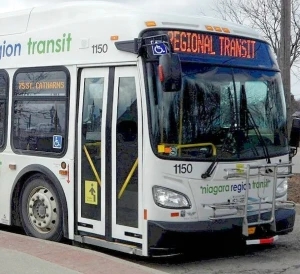
ST. CATHARINES, Niagara – The Ontario government is supporting the newly consolidated Niagara Region Transit system with a $6,845,789 investment from the 2023-24 Gas Tax program. The funding can be used to expand service hours, increase routes, purchase new vehicles and improve accessibility to increase transit ridership.
“This investment is fantastic news for transit riders across Niagara,” said Sam Oosterhoff, MPP for Niagara.Continue reading →
Share this: Niagara At Large at wwwlniagaraatlarge.com
Extension Plan by Niagara Region Threatens a Provincially Significant Wetland/Woodland Area
Please Lend Your Name to the Petition Below Before Saving Natural Heritage Lands in This Area is Too Late!
Posted April 25th, 2024 on Niagara At Large
Niagara citizens have been out in front of Niagara’s regional headquarters and local municipal headquarters time and time again urging our elected leaders to protect and preserve what is left of our natural heritage. file photo by Doug Draper
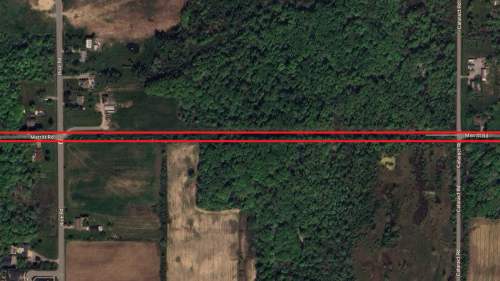
A Brief Foreword by Niagara At Large reporter/publisher Doug Draper – Niagara Regional Council – yes the same Niagara Regional Council that declared a ‘Climate Emergency’ a few years ago – is now planning to expand Merritt Road in the Thoorld, Pelham, Welland area and potentially destroy provincially significant wetlands we need to preserve the biodiversityso important to the survival of all life on this earth and to combat climate change.
I am beginning to wonder if the last refuge of municipal council and staff who want to go on with business as usually is to declare a Climate Emergency.
A Petition has been started by Niagara resident Jason Lovejoy to stop this environmental vandalism in the Thorold, Pelham, Welland area. Please read it and lending your name to it if you can.
A Petition Started by Jason Lovejoy
Attention Niagara Residents, Especially, Residents of Thorold, Pelham and Welland
Why this petition matters
The Niagara Region plans to spend $52M to modify a 3km section of Merritt Road, including a new 800m extension through a Provincially Significant Wetland/Woodland, that is supposed to be protected from development and alteration, and along Rice Rd.
This Petition is to Stop the Merrit Road Expansion, and save the Provincially Significant Wetlands & Woodlands (PSW&W)!
The wetlands/woodlands along Merritt Road are providing valuable climate change mitigation and flood management functions at no cost to local residents! The land around Merritt Road contains a sensitive flood plain which cannot be fragmented any further without increasing the risk of impacting homes in the area. This development may also turn Merritt Road into a speedway, right next to the children’s playground, Merritt Meadows.
Please join us in telling the Region to save money and lower taxes while accommodating housing growth with improved public transit, proper watershed management, and better/cheaper roadwork alternatives.
We, the undersigned, petition the Regional Council of Niagara as follows:
1. To commit to protecting the Natural Environment System that the Region itself designated (Niagara Official Plan, June 2022) by permanently protecting the PSW&W of Singer’s Drain and Towpath Drain and not approving the proposed improvements to the undeveloped Merritt Road.
2. To reconsider alternatives i.e. improving / expanding existing transportation corridors east/west (Port Robinson Road, Quaker Road) and north/south (Cataract Road & Merrittville Highway).
3. To create a trail through this area for human use and to maintain connectivity between natural areas. This trail would connect the existing Steve Bauer Trail in Pelham through Thorold and Welland to the Welland Canal Trail System and could be included in a Niagara GeoPark system.
4. To ensure that all future studies of such projects must include a report on a realistic analysis of the climate crisis impact and determine an accurate valuation of the natural heritage and biodiversity of the study area.
5. To complete extensive studies of the blue salamander, unique crayfish, chimney swift and other fauna, as well as the various rare existing flora within the area of this proposed development, before this project receives Council approval.
6. To allocate the $52+ million (Preliminary Estimate) for this project to be redirected to improve public transit and fix the Region’s aging infrastructure, which is now estimated to cost some $2 billion.
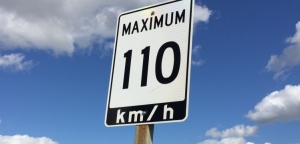
400-Series Highways – Including Niagara’s Highway 406 Between Thorold and Welland -Will See Posted Speeds Of 110km/h
News From Ontario’s Ford Government
Posted April 24th, 2024 on Niagara At Large
(A Brief Foreword Note from Niagara At Large reporter/publisher Doug Draper – Just what we need! Doesn’t the Ford Government have anything better to do – like go after the price-gougers in the grocery and housing industries for example? How about saving a few forests or wetlands or ending government subsidies for corporations like Enbridge to construct more pipelines to heat homes with climate-ravaging gas?
Apparently not.
During a time when we are seeing more wild and reckless driving on our roads and highways, why not consider raising speed limes. And consider this. If the posted speed limit goes up to 110 km/h, now we will have drivers gunning up to speeds of 130 or 140,and as usual, there won’t be enough police around to catch them.)
Now here is the News Release from the Ford Government –
The Ontario government is raising the speed limit permanently from 100 km/h to 110 km/h on 10 additional sections of provincial highways in northern and southern Ontario.
The change builds on the safe and successful increase to six sections of provincial highways in 2022 and aligns with posted speed limits in other jurisdictions across Canada.Continue reading →
Share this: Niagara At Large at wwwlniagaraatlarge.com
“The free testing program has not only facilitated access to safe drinking water for Niagara residents, but revelations from testing has led to Niagara’s high instance of bacterial contamination, which was only made available using the data collected from the free drinking water testing program offered by Public Health Ontario” – St. Catharines NDP MPP Jennie Stevens, Niagara Centre NDP MPP Jeff Burch and Niagara Falls NDP MPP Wayne Gates
From lett, Niagara MPPs Jeff Burch, Wayne Gates and Jennie Stevens
Posted April 24th, 2024 on Niagara At Large
(A Brief Foreword Note from Niagara At Large reporter/publisher Doug Draper – Now I know that Earth Day is over. Pardon the way I put this but his is friggin unbelievable. When is all of the dismantling of Ontario’s health and environmental protection programs by the Ford Government going to end?)
NIAGARA AT LARGE Encourages You To Join The Conversation By Sharing Your Views On This Post In The Space Following The Bernie Sanders Quote Below.
“A Politician Thinks Of The Next Election. A Leader Thinks Of The Next Generation.” – Bernie Sanders
Share this: Niagara At Large at wwwlniagaraatlarge.com
Thursday April 25th, 2024 at 7 P.M. See Details Below
An Invite to All from Niagara’s Preservation of Agricultural Lands Society (PALS)
Posted April 24, 2024 on Niagara At Large
Niagara, Ontario – On Thursday April 25th at 7 p.m. The Preservation of Agricultural Lands Society will be holding a zoom meeting celebrating our 48th year of work to protect the unique and threatened Niagara Tender Fruit and Grape Lands and other prime farmlands in Ontario.
The hosting panelists for the zoom meeting are three speakers from farm related groups that have a broad range of experience in farmland preservation in order to highlight the current threats to these vital food resources and point a positive way forward .Continue reading →
Share this: Niagara At Large at wwwlniagaraatlarge.com
Niagara, Ontario – Ontario’s Ford Government has appointed Bob Gale, a third-term Niagara Regional Councillor for the City of Niagara Falls, to a one-year term as Chair of the Niagara Parks’ Board of Commissioners..
Gale was a Ford Conservative Party candidate for the riding of Niagara Falls in the 2022 provincial election where he was beaten by the riding’s incumbent, NDP MPP Wayne Gates. He returned to Regional politics in the fall ofthat year after earlier declaring to a reporter at a Niagara Falls newspaper that, as the newspaper put ithe “doesn’t belong in a crowd of politicians.”
“I found that politicians are different from me,” he was quoted saying in the same a June 18th, 2022 Niagara Falls Review article.Continue reading →
Share this: Niagara At Large at wwwlniagaraatlarge.com
Fifty-four Earth Days After The First One, We Are Edging Close to Ecological Collapse And We Need Bolder Action From Our Political Leaders and Ourselves
‘It’s too late to stop all of the beasts climate change will unleash. They’re at the gates; we can feel and hear them out there, in the unknown to come.” – from a 2023 cover story in Macleans Magazine titled “Canada In 2060, A Climate Change Report.”
An Earth Day Commentary by Doug Draper, Niagara At Large publisher and veteran environment reporter
Posted April 22, 2024, on Niagara At Large
During the very first Earth Day, on April 22nd, 1970, I was a high school student in Welland and I remember exactly where I was and what I was doing that day.
I and four other students from my high school received permission from a rare few of our more progressive-minded teachers to stage a protest outside a Union Carbide plant that had long been notorious for belching dark, dirty clouds of smoke over the city’s south end and onward, into the horizon.
On the very first Earth Day on April 22, 1970, this future environment reporter, Doug Draper, was out front wearing a gas mask and holding up a sign that read; ‘If You Aren’t Part Of The Solution, You Are Part Of The Pollution’ in front of a polluting plant in Welland. file photo
We were greeted by workers at the plant, out for a lunch break, who threw empty pop cans at the chain-link fence between us and who shouted at us to “get back to school.” But there were also a good number of cars that passed by with drivers giving us a thumb’s up and honking their horns in support.Continue reading →
Share this: Niagara At Large at wwwlniagaraatlarge.com
An Earth Day Special – Don’t Miss This Documentary – Airing this This Monday, April 22nd, 9 P.M. On PBS – WNED TV Network Serving the Western New York and Southern Ontario Regions – About An Environmental Disaster That Unfolded In A Neibhourhood Near the Shores of the Niagara River
“The documentary highlights how ordinary women fought for their families’ safety, challenged those in power, and galvanized a grassroots movement that led to the landmark (U.S.) Superfund Bill.”
A Call-Out to All of Usto Watch this Stirring Story from the Center for Health, Environment and Justice, an organization founded by Environmental Advocate and former Love Canal ResidentLois Gibbs
This young child is among hundreds of residents iin the poisoned Love Canal neighbourhood crying out for help.
Posted April 21std, 2024 on Niagara At Large
The American Experience documentary *Poisoned Ground: The Tragedy at Love Canal* premieres tomorrow April 22 on PBS, PBS.org, and the PBS App.
This Earth Day, the documentary premiere chronicles the story of Love Canal, a neighborhood in Niagara Falls, N.Y., where residents discovered their homes were built on a toxic chemical waste dump, leading to health crises.
The documentary highlights how ordinary women fought for their families’ safety, challenged those in power, and galvanized a grassroots movement that led to the landmark Superfund Bill.
Finally, former U.S. President Jimmy Carter, seen here with Love Canal resident and leader of the Love Canal Homeowners Association, comes to the rescue with a federal emergency declaration
The Love Canal tragedy began with industrial waste dumping in the late 1940s and escalated in the 1970s with widespread health issues. CHEJ founder, Lois Gibbs, and several residents pushed for government action, eventually leading to federal emergency declarations and the passage of the (U.S.) Superfund Bill, marking Love Canal as the first Superfund site for cleanup.
Filmmaker Jamila Ephron emphasizes the ongoing challenges faced by marginalized communities affected by toxic waste contamination.
While you prepare yourselves for the premiere, be sure to get ready by watching the official trailer here –
Thank you, The Team at the Center for Health, Environment & Justice
This Saturday, April 20th is Record Store Day – a day set aside each year to celebrate the treasure of good music we can discover at record stores and a day to encourage us to support record stores and not let any more of them die.
As a life-long lover of music, I have been saddened over the past few decades to see the number of great record stores closing, from the grand old Sam the Record Man store on Yonge Street in Toronto to the equally grand Record Theatre store in Buffalo, and all too many record stores in locations in between.
Most of these stores, like growing numbers of news media outlets, have fallen victim to people turning to the sterile, soulless world of the internet for almost everything they want to read, watch and hear.Continue reading →
Share this: Niagara At Large at wwwlniagaraatlarge.com
“Solar energy can power anything.The impact of inventing new low-cost, highly efficient solar cell alternatives is profound and urgent. It could change the future of energy in Canada and address the worldwide energy shortage for humankind.” – Jianbo Gao, Brock University Assistant Professor in the Department of Chemistry
News About A Greener Energy Future from Brock University in St. Catharines, Niagara
Posted April 19th, 2024 on Niagara At Large
(A Brief Foreword from Niagara At Large reporter/publisher Doug Draper – Those Niagara Regional Councillors who recently voted in favour of using our tax dollars for subsidizing the connection of gas pipelines to new homes for as long as 40 more years should consider the following news from Brock University. It might help at least some of them get their heads out of the sand and take the climate emergency we are facing more seriously.)
As Earth Day (this April 22nd) nears, prompting people to reflect on their conservation efforts, an international expert in solar cell research at Brock University is working to make green energy more accessible to all.
Jianbo Gao, Assistant Professor in Brock’s Department of Chemistry and Affiliated Professor in the Yousef Haj-Ahmad Department of Engineering shares some very encouraging news about solar energy and for the future of our planet.
Jianbo Gao, Assistant Professor in Brock’s Department of Chemistry and Affiliated Professor in the Yousef Haj-Ahmad Department of Engineering<https://brocku.ca/mathematics-science/engineering/>, is leading novel research in photovoltaics, a method of converting solar radiation into electricity.Continue reading →
Share this: Niagara At Large at wwwlniagaraatlarge.com
A Few Brief Words from Niagara At Large reporter/publisher Doug Draper
Posted April 19th, 2024 on Niagara At Larger
Doug French
Thirty-two years after their daughter Kristen’s murdered body was found three torturous days after she did not make it home from school one spring afternoon before the Easter weekend holiday, it is still hard to imagine how Doug and Donna French and others in their family made it through the heartache and horror.
I was still working as a reporter at The St. Catharines Standard at the time and a few times during and after the trials of the monsters responsible for her death, I saw Doug and Donna French standing at the reception desk of our newsroom, waiting to speak to one or more of my news colleagues over stories the paper was continuing to publish on the terrible episode.Continue reading →
Share this: Niagara At Large at wwwlniagaraatlarge.com
Show You Support Through Purchasing Cookies During Tim Hortons Annual SMILE COOKIE CAMPAIGN
A News Release from The Alzheimer Society of Niagara Region, Autism Ontario South Region and Project SHARE,
Posted April 19th, 2024 on Niagara At Large
St. Catharines, Thorold, Niagara-on-the-Lake and Niagara Falls – Nationally, Tim Hortons restaurant owners will be supporting over 600 charities and community groups through the Smile Cookie campaign from April 29 – May 5, 2024.
Locally, with every purchase of a Smile Cookie from the St. Catharines, Thorold and Niagara-on-Lake locations, the proceeds will be donated to The Alzheimer Society of Niagara Region and Autism Ontario South Region and sales from Niagara Falls will be donated to Project SHARE and the Alzheimer Society.Continue reading →
Share this: Niagara At Large at wwwlniagaraatlarge.com
“I continue to work with Welland. Port Colborne and Fort Erie to ensure the hospital and the two UCCs (Urgent Care Centres) are maintained with the services expected by the respective communities.” – Vance Badawey, federal Liberal Government MP for Niagara Centre
A News Release from the Constituency Office of Niagara Centre Liberal Government MP Vance Badawey
Posted April 18th, 2024 on Niagara At Large
Niagara Centre MP Vance Badawey is ministerial assistant on federal transporation file
Vance Badawey, MP for Niagara Centre and Parliamentary Secretary to the Minister of Transport, is pleased with this April 16th’s tabling of the 2024 Budget.
“Housing healthcare, affordability, and economic incentives top my list of priorities that we advocated for that have been introduced in this budget,” stated Badawey.
Posted Thursday, April 18th, 2024 on Niagara At Large
St. Catharines/Niagara – Celebrate conservation and environmental sustainability with the City of St. Catharines by joining in Earth Day-related activities.
Earth Day at Market Square
The City of St. Catharines has partnered with Links for Greener Learning to hold its annual Earth Day event on Friday, April 19, 2024, at Market Square from 9 a.m. to 2:30 p.m. Elementary school students will participate in the hands-on activities and demonstrations. This year’s theme is Planet vs. Plastic.Continue reading →
Share this: Niagara At Large at wwwlniagaraatlarge.com
Free tree pickup at Lancaster Park – Read Details Below
A News Release from the City of St. Catharines
Posted April 17th, 2024 on Niagara At Large
St. Catharines, Niagara – Registration is now open for St. Catharines residents to reserve a free tree in advance online here for the City’s 2024 Spring Tree Giveaway.
American Beech, Hackberry, Pin Cherry and Spicebush are the tree species available at this spring’s event at a new location – Lancaster Park at 31 Wood St.
The number of trees is limited and offered on a first-come, first-served basis online. Registration will close as stock is reserved. Registration officially closes on April 26 at 4 p.m.Continue reading →
Share this: Niagara At Large at wwwlniagaraatlarge.com
Polluting Gas Will Provide 25 Per Cent of Ontario’s Electricity In 2030 – Up From Four Per Cent
News from the Ontario Clean Air Alliance, a citizens group advocating for a healthier environoment and real action on climate change
Posted April 17th, 2024 on Niagara At Large
According to the Independent Electricity System Operator’s (IESO) 2024 Annual Planning Outlook, one-quarter of Ontario’s electricity supply in 2030 will be produced by burning fossil gas.
To add insult to injury, the IESO is asking the federal government to establish emission caps which will allow the gas plants’ greenhouse gas (GHG) pollution in 2035 to be 5.2 times greater than their 2017 level. In addition, it is asking the Government of Canada to allow the gas plants to continue to operate until 2050.Continue reading →
Share this: Niagara At Large at wwwlniagaraatlarge.com
Young people “face a world full of trauma, pain, hate and judgment, and while social media may be a symptom of these things, it is not the sole cause, and to suggest so is to overlook a thousand other contexts that shape young people’s lives.” – Brock Professor Shauna Pomerantz, Department of Child and Youth Studies
News from Brock University in St. Catharines/Niagara
Posted April 17th, 2024 on Niagara At Large
Niagara, Ontario – While four Ontario school boards recently announced a $4.5-billion lawsuit against the social media giants behind Facebook, Instagram, Snapchat and TikTok, Brock University experts are calling for additional actions to address the influence popular online platforms have on teens.
Brock Univers Professor Shauna Pomerantz in the Department of Child and Youth Studies
Professor Shauna Pomerantz in the Department of Child and Youth Studies says that although a leak from whistleblower Frances Haugen shows that Meta was aware of the harm teenaged girls experienced using Instagram, she also fails “to see how suing social media corporations will stop bullying, mental health crises and inattentive students.”
She suggests that other options, such as regulating or banning smartphones in schools, could make a big difference in spite of the complexities of culture change and rule enforcement.
“It’s hard to think of a more enticing target for corruption than unchecked municipal decisions to approve sprawl.”
“By rubber-stamping an application to needlessly extend a settlement boundary and bulldoze farmland or wildlife habitat, a small town councilor could confer hundreds of millions in windfall wealth upon a real estate speculator who bought up farmland at a low price.”
A Statement from Phil Pothen, Land Use and Land Development Program Manager, Environmental Defence Canada
Bill 185 would hinder efforts to speed up housing construction by promoting the wasteful, low-density sprawl that has caused Ontario’s housing shortage.
Together, the new law and the proposed Provincial Planning Statement would effectively wipe out the protective Settlement Area Boundaries and Municipal Comprehensive Review processes that prevent low-density sprawl from destroying what remains of farmland and natural areas outside the Greenbelt.
‘Participants are asked to take pictures of plants and animals within the city limits of St. Catharines. …. . Community members can then help identify the organisms and species that are photographed.’
An Invitation from the City to All Residents of St. Catharines
Posted April 17th, 2024 on Niagara At Large
St. Catharines, Niagara – Residents of St. Catharines are being encouraged to get outdoors and explore nature. The City will once again be participating in the City Nature Challenge, scheduled for April 26 through to April 29.
The international event is held annually and aims to motivate residents to learn about the wildlife and ecosystem in their own cities.
Participants are asked to take pictures of plants and animals within the city limits of St. Catharines and upload them to the City’sevent pageon iNaturalist. Community members can then help identify the organisms and species that are photographed.
“We are excited to announce that Welland’s Central Fire Station has been nominated as a finalist for The Next Great Save Competition! … Saving this building will reinforce the historical, cultural and commercial importance of the downtown while preserving a century-old architectural jewel.” – from Nora Reid and all of the volunteer members of the Central Station Education Initiative
A Brief Foreword from Niagara At Large reporter/ Publisher Doug Draper
Posted on Niagara At Large on April 16th,2024
Welland’s grand old Central Fire Hall in the city’s downtown
Congratulations to all of the members , friends and loyal supporters of the Central Station Education Initiative, dedicated to protecting and preserving the icon, century old Welland Central Fire Station in the city’s downtown.
They have very recently received the good news that their project to save this classic heritage building is one of 12 finalists in the Camada-wide “Next Great Save Competition sponsored each year by National Trust Canada.Continue reading →
Share this: Niagara At Large at wwwlniagaraatlarge.com
Stations would supply reliable, affordable and clean power for an additional 30 years
“OPG’s investment at the Sir Adam Beck complex in Niagara Falls will ensure that Ontario has the power needed to support the growing demands of our economy, while creating 200 new, good-paying jobs for local workers.” – – Vic Fedeli, Ontario Minister of Economic Development, Job Creation and Trade
“The Niagara region played a foundational role in Ontario’s early electrification more than a century ago and will continue to be a clean electricity centre for decades to come, thanks to this refurbishment.” – Niagara Regional Chair Jim Bradley
“Through this significant investment Niagara Falls will continue to help power Ontario. We welcome the good jobs and economic development this project brings with it and are proud to build on our long history of clean energy generation.” – Niagara Falls Mayor Jim Diodati
A News Release from the Government of Ontario
Posted April 16th, 2024 on Niagara At Large
The Adam Beck Hydro Power facilities along the lower Niagara River in Niagara Falls, Ontario
NIAGARA FALLS , Ontario – The Ontario government is supporting Ontario Power Generation’s (OPG) plan to refurbish its hydroelectric stations in the Niagara region, including the Sir Adam Beck Complex at Niagara Falls.
This $1 billion dollar infrastructure program would secure up to 1,700 megawatts (MW) of clean electricity, equivalent to powering 1.7 million homes, helping to meet increasing demand from electrification and fueling the province’s growth.Continue reading →
Share this: Niagara At Large at wwwlniagaraatlarge.com
“We have no idea how many seniors have been fined or forced into a Long-Term Care home against their will, because the Ford government refuses to be transparent.” – Niagara Falls MPP Wayne Gates.
A News Release from the Constituency Office of Niagara Falls NDP MPP Wayne Gates
Posted April 16th, 2024 on Niagara At Large
Niagara Falls MPP Wayne Gates: Ford government admits fining seniors in LTC is just a cost of doing business
Niagara Falls MPP Wayne Gates whose riding includes Niagara Falls, Fort Erie and Niagara-on-the-Lake has been after the Ford government to provide better quality care and more resources for staff in long-term-care homes for years.
“We have no idea how many seniors have been fined or forced into a Long-Term Care home against their will, because the Ford government refuses to be transparent,” said Gates. “We’ve seen awful stories of families being charged $5,200 dollars (https://www.cbc.ca/news/canada/windsor/charge-bill-7-ontario-government-long-term-care-1.7157231) to keep their loved one close to home – but we’ve learned all of that from determined reporting, not Ford transparency.”
When asked to come clean today, Minister of Health, Sylvia Jones admitted that several people had been charged, but wouldn’t say by how much.Continue reading →
Share this: Niagara At Large at wwwlniagaraatlarge.com
Was This Declaration Necessary? Did It Help Or Hurt? And How Well Was It Communicated To Our Municipal Leaders And Others That Needed To Know?
A News Commentary by Niagara At Large reporter/publisher Doug Draper
Posted April 15th, 2024 on Niagara At Large
In the days leading up to this April 8th Solar Eclipse, Niagara’s Regional Government declared a State of Emergency as a precaution before possibly unprecedented numbers of people came in to Niagara to see it
It’s beginning to look like one municipal party in Niagara or another may not be giving us the straight goods around the Regional Government’s decision to declare a “State of Emergency” in the days leading up to the April 8th Solar Eclipse that reached totality in the skies over Niagara Fall.
At the very least, there appears to have been some kind of communication breakdown between the parties over this declaration.
Whatever may have gone off the rails here, it isn’t a good thing– especially for people who may be facing the possibility of a real emergency which, in the case of the April 8th solar fest, at least some did not believe an emergency declaration was warranted at all.
Niagara’s Regional Government Recently Voted Against Calling on Ford Government Not To Override Ontario Energy Board Decision to End Subsidy for Building New Gas Pipelines
“Reinstating this subsidy for new methane gas hookups for developers will cost over $1 billion over the next 4 years alone. In addition to higher energy bills (versus heat pumps), these new gas hookups will be bad for new homebuyers who will breath toxic fumes from gas stoves, give their kids a greater risk of childhood asthma, and generate needless carbon pollution.” – Ontaro Clean Air Alliance
A New Release from the Ontario Clean Air Alliance, a citizen group advocating for renewable energy and an end to climate ravaging fossil fuel emissions
Posted April 14th, 2024
(A Brief Foreword Note from Niagara At Large – We will the names those on the Niagara Regional Council who voted against OEB’s decision to end gas pipe subsidies below this news release.)
Now here is the Ontario Clean Air Alliance’s News Release-
The OEB correctly notedthat ending this subsidy would lead to lower energy bills for existing gas customers. This was not some spur of the moment decision by the OEB – it came after a year-long hearing that heard from many expert witnesses.Continue reading →
Share this: Niagara At Large at wwwlniagaraatlarge.com
‘The proposed Highway 413 will cause irreversible environmental devastation. This six-lane, 52-kilometre highway would pave over 400 acres of (Ontario’s) Greenbelt and more than 2,000 acres of Ontario’s most productive farmland.’ – Ontario Nature
A Call-Out to All of Us from Ontario Nature, a non-profit group dedicated to protecting and preserving Ontario’s natural heritage
Posted April 14th, 2024 on Niagara At Large
There are no two ways about it – the proposed Highway 413 will cause irreversible environmental devastation. This six-lane, 52-kilometre highway would pave over 400 acres of the Greenbelt and more than 2,000 acres of Ontario’s most productive farmland.
“With its actions, Iran has further stepped toward the destabilization of the region and risks provoking an uncontrollable regional escalation. This must be avoided.” – Leaders of G7 Nations
Canada, France, Germany, Italy, Japan, United Kingdom, United States
Statement Released by the Office of Canada’s Prime Minister, Justin Trudeau
Posted April 14th, 2024 on Niagara At Large
Ottawa, Ontario – We, the Leaders of the G7, unequivocally condemn in the strongest terms Iran’s direct and unprecedented attack against Israel. Iran fired hundreds of drones and missiles towards Israel. Israel, with the help of its partners, defeated the attack.
We express our full solidarity and support to Israel and its people and reaffirm our commitment towards its security.
With its actions, Iran has further stepped toward the destabilization of the region and risks provoking an uncontrollable regional escalation. This must be avoided.Continue reading →
Share this: Niagara At Large at wwwlniagaraatlarge.com
Ottawa, Ontario – The Prime Minister, Justin Trudeau, (this April 13th, 2024) issued the following statement on the attacks by the Iranian regime against Israel:
“Canada unequivocally condemns Iran’s airborne attacks against Israel. We stand with Israel.
“After supporting Hamas’ brutal October 7 attack, the Iranian regime’s latest actions will further destabilize the region and make lasting peace more difficult.Continue reading →
Share this: Niagara At Large at wwwlniagaraatlarge.com
Niagara’s Regional Municipality Recently Voted Against Joining This Show of Support
“On December 21, 2023, the OEB (Ontario Energy Baord) decided not to continue a $250 million a year government payment that Enbridge had requested in its rate application for 2024-2028. In itsruling, the OEB argued that it did not make sense to continue to build gas pipelines to new homes in light of the energy transition taking place globally.” – Adrian Currie, Ontario Climate Program Manager for the Canada-wide citizens organization Environmental Defence
A News Release from Environmental Defence
Posted April 12th, 2024 on Niagara At Large
But First, here is a Brief Foreword from Niagara At Large reporter/publisher Doug Draper –
At the March 21st, 2024 meeting of Niagara Regional Council. Pelham Regional Councillor Diana Huson tabled a motion that would have had the Region calling on the Fort Government not to overrule the Ontario Energy Board’s recent decision to stop subsidizing gas piplines to new homes. A majority of her fellow Regional Councillors boted against the motion.
As if to openly mock their 2021 declaration of a “climate emergency”, a majority of Niagara Regional Councillors recently a voted not to join other municipalities in Ontario in urging the Ford government not to overrule a December 2023 decision by the Ontario Energy Board to stop using our tax dollars to subsidize the construction of any more gas pipelines to newly built homes.
In a vote of 14 to 12, a motion tabled by Pelham Regional Councillor Diana Huson at a March 21st council meeting, asking the Ford government not to overrule a December 21 Ontario Energy Board (OEB) decision was turned down.
The OEB stated that the major purpose of its decision to stop the subsidies was discourage the use of climate-damaging fossil fuels to heat homes in favour of newer technologies like heat pumps that are already proving to be less costly than gas and far less of a problem for the Earth’s atmosphere and climate.
The only local council in Niagara that has so far voted in favour of the province not overruling the OEB’s decision is the Town of Pelham, whose Mayor, Marvin Junkin, also voted in favour of Huson’s motion in his capacity as a Regional Councillor.
Niagara At Large will post lists of the Regional Councillors who voted for and against Huson’s March 21st motion below the Environmental Defence news release which begins here –
This Saturday, April 13th at 3 P.M at The Film House on St. Paul Street in Downtown St. Catharines
A Brief One from Doug Draper
Posted April 11th, 2024 on Niagara At Large
To quote with something the Scarecrow said to Dorothy and her dog Toto in L. Frank Baum’s imaginary ‘Land of Oz’, “Some people without brains do an awful lot of talking.”
Or perhaps in my case, there are people out there who don’t care for my reporting and commentary on this site who would replace the word ‘talking’ in that quote to ‘writing’.
That’s okay. This veteran journalist has never really cared what certain people think about me and my reporting, just so long as I am making all of the right enemies.
That leads me back to this post which may read like an ad to you even though I am not getting paid a penny for it, nor will I expect free tickets to this wonderful film or would I accept them even if the managers of The Film House offered them to me.Continue reading →
Share this: Niagara At Large at wwwlniagaraatlarge.com
Brock University Professor of Kinesiology Toby Mündel
“People’s bodies adjust to the “normal” ambient temperature of where they live. If these rise, there may be an elevated risk of illness and death, but the fact that the regular ambient temperature is high compared to other places doesn’t pose a risk in itself.” he says” – Brock University Professor of Kinesiology Toby Mündel
News from Brock University in St. Catharines/Niagara
Posted April 12th, 2024 on Niagara At Large
As scientists express concern<https://www.bbc.com/news/science-environment-68665166> over the world’s hottest March on record — the 10th record-breaking month in a row — a Brock University physiology expert is calling for a more holistic way of determining the health risks posed by extreme heat.
“Public health messages tend to be oversimplified to say things like, ‘At this temperature, people are susceptible to heat stroke, and at this maximum temperature, people will die,’” says Professor of Kinesiology Toby Mündel. “The truth is much more nuanced when you take many other factors into consideration.”
“If we save our wild places, we will ultimately save ourselves.” – Steve Irwin, Australian wildlife educator and conservationist
A Commentary by Niagara At Large reporter/publisher Doug Draper
Posted April 11th, 2024 on Niagara At Large
One of the many inhabitants of Waverly Woods along the shores of Lake Erie in Fort Erie, Ontario where some of the woods has recently been bulldozed down for urban development. When the residents move in, what will become of this fox, if he is still around, and other wildlife in the area?
Niagara, Ontario – Over all my years covering environmental stories in Niagara, I’ve witnessed more than my share of ignorance and negligence when it comes to the way that we humans treat the wild places around us.
To share with you an all-too-common example of what I am talking about – one that continues to anger the hell out of me each and every time it continues to happen – there are the people out there who choose to move into a home located in a recently built, low-density subdivision that is somewhere way out from the core of a city or town where there were wetlands for turtles and frogs and where forests and meadows used to grow.Continue reading →
Share this: Niagara At Large at wwwlniagaraatlarge.com
A News Commentary by Doug Draper, followed by a News Release from Ontario’s Ford Government
Re- Posted April 10th on Niagara At Large
(A Brief Foreword Note from Niagara At Large publisher Doug Draper – In the days leading up to the April 8th solar eclipse, news came out that was important and did not necessarily get the attention it deserved because of all the understandable hoopla over the eclipse. The news about the Ford government planning to move ahead with a costly expansion of the Garden City Skyway is one of them and that is why we are posting it again here.)
“Building more roads to prevent congestion is like a fat man loosening his belt to prevent obesity”
Doug Ford’s vision for the 21st Century – more and more highways for ever more trucks and cars
This is something that the late Lewis Mumford, a celebrated historian for his time and a philosopher of technology, said back in 1965 when at least some in the field of building more cost-efficient and environmentally friendly ways of moving people and goods around began to realize that building and expanding ever more roads and highways was only going to make a bad problem worse.
Of course, it is doubtful Ontario Premier Doug Ford, a college drop-out who seems to take pride in his ‘I’m just one of the guys’, Homer Simpson persona, has a clue who Lewis Mumford is.
Given his girth, however, one might think that Ford might have some idea how loosening your belt to solve a weight problem makes about as much sense as spending countless billions of dollars widening roads and highways to solve traffic congestion.
“Everyone in Ontario has the right to get health care with their OHIP card, not their credit card.”
A News Release from Ontario’s Official Opposition Party Leader Marit Stiles
Posted April 10th, 2024 on Niagara At Large
QUEEN’S PARK – Official Opposition NDP MPP Marit Stiles and the Ontario NDP are calling for an audit of private clinics charging patients to access primary care.
Ford’s Conservatives opened the floodgates for private, fee-based health care in our province while millions are struggling without a family doctor’s office,” said Stiles.
“Everyone in Ontario has the right to get health care with their OHIP card, not their credit card. Instead of holding bad actors accountable, Ford and Jones are encouraging private clinics to force Ontarians to pay for health care that should be free.”
‘Open data is data that can be freely used, re-used and redistributed by anyone with very few restrictions. The data is provided to support transparency and accountability of organizations.’
News from Niagara’s Regional Government
Posted April 11th, 2024 on Niagara At Large
Niagara, Ontario – Entering its eighth year of providing a single point of access to Niagara’s open data, today the Niagara Open Data Community Consortium marks another milestone with the relaunch of NiagaraOpenData.ca [https://niagaraopendata.ca/], a community data catalogue where users can access data from across the region.
Open data is data that can be freely used, re-used and redistributed by anyone with very few restrictions. The data is provided to support transparency and accountability of organizations or to drive innovation and innovative approaches to address challenges faced in our community.Continue reading →
Share this: Niagara At Large at wwwlniagaraatlarge.com
“As charitable organizations, food banks were designed to provide temporary assistance to those in need. Today, they are responding to systemic inadequacies by supporting an alarming number of vulnerable residents with food security.” – Assistant Professor of Political Science Joanne Heritz, Brock University
A News Report by Cathy Majtenyi at Brock University, on Important Research coming out of the University on the state of Niagara food security
(A NOTE from Niagara At Large – A version of this news was reported earlier this month on Niagara At Large but with all of other news leading up to the April 8th solar eclipse, important news like this, on the status of so many Niagara residents’ lives, deserves to be reported again.)
Posted April 9th, 2024 on Niagara At Large
Brock University’s Niagara Community Observatory released a policy brief on April 2 documenting the situation of food insecurity in the region and beyond.
Niagara is experiencing an “alarming increase” in the number of people — particularly children — who are relying on food banks to meet their basic food security needs, says research from Brock University’s Niagara Community Observatory (NCO).
But this trend shows no signs of slowing down because the main drivers of food insecurity — wages and social assistance programs failing to keep up with inflation and the lack of affordable housing, among others — aren’t being addressed, says the research brief, released Tuesday, April 2.Continue reading →
Share this: Niagara At Large at wwwlniagaraatlarge.com
“As Regional Chair, I am keenly interested in hearing from Niagara’s youth about ways to make local government more engaging, and if our programs and services are meeting their unique needs. I am looking forward to identifying a new group of individuals from across Niagara that not only represent our diversity, but who are also able to share their ideas and opinions about how to make our region a better place to live. I invite all interested young people to visit our website and complete an application.” – Niagara Regional Chair, Jim Bradley
An Invite to Young People from Niagara’s Regional Government
Posted April 7th, 2024 on Niagara At Large
Niagara, Ontario – As part of Niagara Region’s efforts to hear from as many voices as possible, applications are currently being accepted from youth ages 13-19 to participate on the Regional Chair’s Youth Advisory Panel (RCYAP).
Established in 2021, RCYAP members provide recommendations, advice and information to the Regional Chair and staff on issues that affect Niagara teens. The panel is comprised of 12 members, each with different backgrounds, experiences, and viewpoints. The Regional Chair and one Regional Councillor volunteer representative also serve on the panel.Continue reading →
Share this: Niagara At Large at wwwlniagaraatlarge.com
Help the City of St. Catharines celebrate arts in the community by nominating a local artist or arts champion
Nomination Deadline Is Friday, June 14 at 4:30 p.m.
.A Call-Out from the City of St. Catharines in Niagara, Ontario
Posted April 7th, 2024 on Niagara At Large
St. Catharines, Ontario – Local artists, residents, businesses, and organizations are eligible to be nominated for the annual awards in the following categories: the Arts in Education Award, the Emerging Artist Award, the Established Artist Award, the Making a Difference Award, and the Patron of the Arts Award.
Nominees must be a St. Catharines resident or have been consistently active in the arts in the city for an extended period.
On American Side, Celestial Spectacle Drew Both Cheers and Looks of Horror
A Brief Report from Doug Draper, Niagara At Large
Posted April 8th, 2024
As crowds at the Falls wait for eclipse to reach totality shortly after 3 p.m. this April 8th, there sure are alot of clouds up there.
Niagara Falls, Ontario – Within just a few hours of the solar eclipse coming and going over the skies of Niagara, I began hearing complaints from people on the Ontario side of the Falls that they could not see the great spectacle as well as they hoped to because of cloud cover.
Many said they had been waiting for months, and in some cases years to feast their eyes of this rare celestial show, and some had spent a good deal of time and money for hotel rooms after travelling here from homes as far off as North Bay, Ontario and Boston, Massachusetts just for the occasion.
And now this! After a full day of clear skies, clouds get in the way.


 (A Brief Foreword Note from Niagara At Large reporter/publisher Doug Draper – While reading this News Release from a Ford Government that has done so little to address our climate crisis and has actually done more to fuel it, it is hard to know whether to laugh or to cry tears of dismay and anger.
 Niagara, Ontario –Niagara Region is looking for input from the public as well as a variety of public and private sectors to help develop a Waste Management Strategic Plan (the Plan) that will provide the framework and direction for waste management in the region over the next 25 years.

 Hello friends,
 Bees and butterflies are specialist pollinators and require native flowers to survive.


 FORT ERIE, Ontario – The Town of Fort Erie’s decision to oppose a development proposal along its historic waterfront properties on Erie Road was upheld by the Ontario Land Tribunal.

 A Brief Foreword from Niagara At Large reporter/publisher Doug Draper – Here we go again and again and again. If Doug Ford and his governing Tories can’t find one way of destroying what Ford once called “chunks” of our Greenbelt lands, he will find another.
 An Invite to All from the the Folks at Niagara Folk Arts Multicultural Centre
 The Niagara Folk Arts Multicultural Centre is excited to announce that our Annual Folk Arts is coming back bigger and better!
 The Niagara Foundation is pleased to announce an agreement to acquire 100% of The Wilderness (as it has been known for more than one hundred years), located at 407 King Street in Old Town of Niagara-on-the-Lake.
  Niagara, Ontario – As Doctors’ Day approaches on Wednesday, May 1, Niagara Health is taking the opportunity to celebrate and honour the dedicated physicians who serve Niagara communities with unwavering commitment and excellence.

 St. Catharines, Niagara – While a ban on cellphones in Ontario classrooms will temporarily keep them out of students’ hands, the move will do little to support the mental health of youth across the province, say Brock University experts.
 Niagara, Ontario –Niagara Region’s Automated Speed Enforcement Program is showing a positive trend in road safety benefits prompting the Region to expand the program to further improve road safety.
 What Doug Ford couldn’t get for his developer friends by dismantling the Greenbelt he’s getting through a thousand other ways and the critical farmlands that provide us with food security are at risk as our all of our remaining natural areas.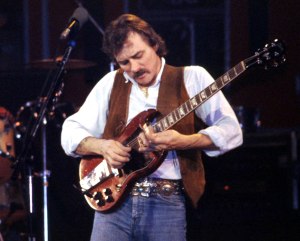

 “Thirty years ago today, South Africa began a new chapter. After centuries of colonialism and decades of apartheid, South Africans held their first election open to all voters.
 If you are a lover of books, you already know what a fun adventure it is going into a good bookstore and thumbing through the shelves for your next great read.
 “We are immensely grateful to the provincial government for their generous allocation of $6.8million in gas tax funding. This critical investment will empower us to enhance our region’s infrastructure and better serve our residents.” – Jim Bradley, Chair of the Regional Municipality of Niagara.
 ST. CATHARINES, Niagara – The Ontario government is supporting the newly consolidated Niagara Region Transit system with a $6,845,789 investment from the 2023-24 Gas Tax program. The funding can be used to expand service hours, increase routes, purchase new vehicles and improve accessibility to increase transit ridership.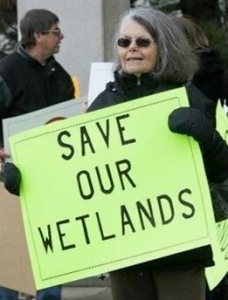
 Please join us in telling the Region to save money and lower taxes while accommodating housing growth with improved public transit, proper watershed management, and better/cheaper roadwork alternatives.
  (A Brief Foreword Note from Niagara At Large reporter/publisher Doug Draper – Just what we need! Doesn’t the Ford Government have anything better to do – like go after the price-gougers in the grocery and housing industries for example? How about saving a few forests or wetlands or ending government subsidies for corporations like Enbridge to construct more pipelines to heat homes with climate-ravaging gas?
 The Ontario government is raising the speed limit permanently from 100 km/h to 110 km/h on 10 additional sections of provincial highways in northern and southern Ontario.


 Niagara, Ontario – Ontario’s Ford Government has appointed Bob Gale, a third-term Niagara Regional Councillor for the City of Niagara Falls, to a one-year term as Chair of the Niagara Parks’ Board of Commissioners..
 An Earth Day Commentary by Doug Draper, Niagara At Large publisher and veteran environment reporter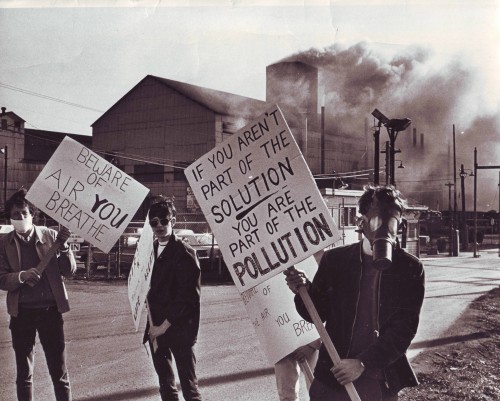

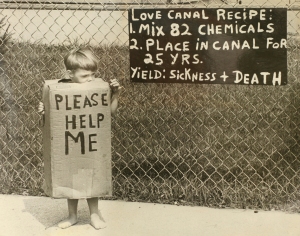


 “Solar energy can power anything.The impact of inventing new low-cost, highly efficient solar cell alternatives is profound and urgent. It could change the future of energy in Canada and address the worldwide energy shortage for humankind.” – Jianbo Gao, Brock University Assistant Professor in the Department of Chemistry
 (A Brief Foreword from Niagara At Large reporter/publisher Doug Draper – Those Niagara Regional Councillors who recently voted in favour of using our tax dollars for subsidizing the connection of gas pipelines to new homes for as long as 40 more years should consider the following news from Brock University. It might help at least some of them get their heads out of the sand and take the climate emergency we are facing more seriously.)


 St. Catharines, Thorold, Niagara-on-the-Lake and Niagara Falls – Nationally, Tim Hortons restaurant owners will be supporting over 600 charities and community groups through the Smile Cookie campaign from April 29 – May 5, 2024.

 St. Catharines, Niagara – Registration is now open for St. Catharines residents to reserve a free tree in advance online
 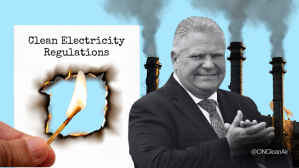 According to the Independent Electricity System Operator’s (IESO) 2024 Annual Planning Outlook, one-quarter of Ontario’s electricity supply in 2030 will be produced by burning fossil gas.
  Young people “face a world full of trauma, pain, hate and judgment, and while social media may be a symptom of these things, it is not the sole cause, and to suggest so is to overlook a thousand other contexts that shape young people’s lives.”
 A Statement from Phil Pothen, Land Use and Land Development Program Manager, Environmental Defence Canada
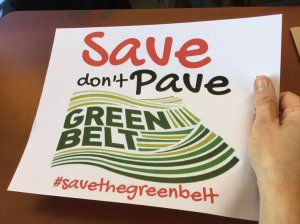 Together, the new law and the proposed Provincial Planning Statement would effectively wipe out the protective Settlement Area Boundaries and Municipal Comprehensive Review processes that prevent low-density sprawl from destroying what remains of farmland and natural areas outside the Greenbelt.
 St. Catharines, Niagara – Residents of St. Catharines are being encouraged to get outdoors and explore nature. The City will once again be participating in the City Nature Challenge, scheduled for April 26 through to April 29.
  “We are excited to announce that Welland’s Central Fire Station has been nominated as a finalist for The Next Great Save Competition! … Saving this building will reinforce the historical, cultural and commercial importance of the downtown while preserving a century-old architectural jewel.” – from Nora Reid and all of the volunteer members of the Central Station Education Initiative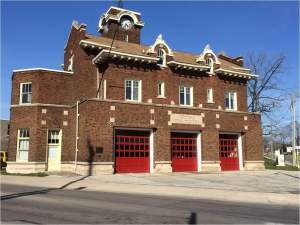


 “Reinstating this subsidy for new methane gas hookups for developers will cost over $1 billion over the next 4 years alone. In addition to higher energy bills (versus heat pumps), these new gas hookups will be bad for new homebuyers who will breath toxic fumes from gas stoves, give their kids a greater risk of childhood asthma, and generate needless carbon pollution.” – Ontaro Clean Air Alliance
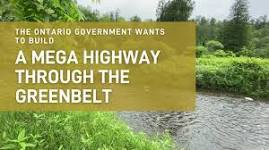 There are no two ways about it – the proposed Highway 413 will cause irreversible environmental devastation. This six-lane, 52-kilometre highway would pave over 400 acres of the Greenbelt and more than 2,000 acres of Ontario’s most productive farmland.

 Ottawa, Ontario – The Prime Minister, Justin Trudeau, (this April 13th, 2024) issued the following statement on the attacks by the Iranian regime against Israel:
 To quote with something the Scarecrow said to Dorothy and her dog Toto in L. Frank Baum’s imaginary ‘Land of Oz’, “Some people without brains do an awful lot of talking.”
 “Public health messages tend to be oversimplified to say things like, ‘At this temperature, people are susceptible to heat stroke, and at this maximum temperature, people will die,’” says Professor of Kinesiology Toby Mündel. “The truth is much more nuanced when you take many other factors into consideration.”
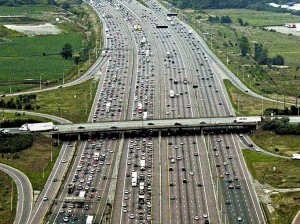
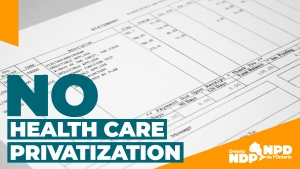 A News Release from Ontario’s Official Opposition Party Leader Marit Stiles
 Niagara, Ontario – Entering its eighth year of providing a single point of access to Niagara’s open data, today the Niagara Open Data Community Consortium marks another milestone with the relaunch of NiagaraOpenData.ca
 Brock University’s Niagara Community Observatory released a policy brief on April 2 documenting the situation of food insecurity in the region and beyond.
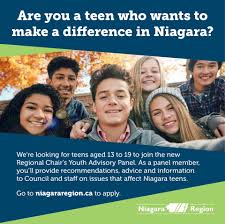 Niagara, Ontario – As part of Niagara Region’s efforts to hear from as many voices as possible, applications are currently being accepted from youth ages 13-19 to participate on the Regional Chair’s Youth Advisory Panel (RCYAP).
 St. Catharines, Ontario – Local artists, residents, businesses, and organizations are eligible to be nominated for the annual awards in the following categories: the Arts in Education Award, the Emerging Artist Award, the Established Artist Award, the Making a Difference Award, and the Patron of the Arts Award.
 Niagara At Large