
– We Must Do Our Most To Protect And Preserve It
A Brief Commentary from NAL publisher Doug Draper
As a NASA space probe beams back astonishing images of the ninth stone from the sun – the planet Pluto – from billions of miles in space, there are a few things we humans (who like to think of ourselves as the most intelligent beings on our planet) ought to consider.
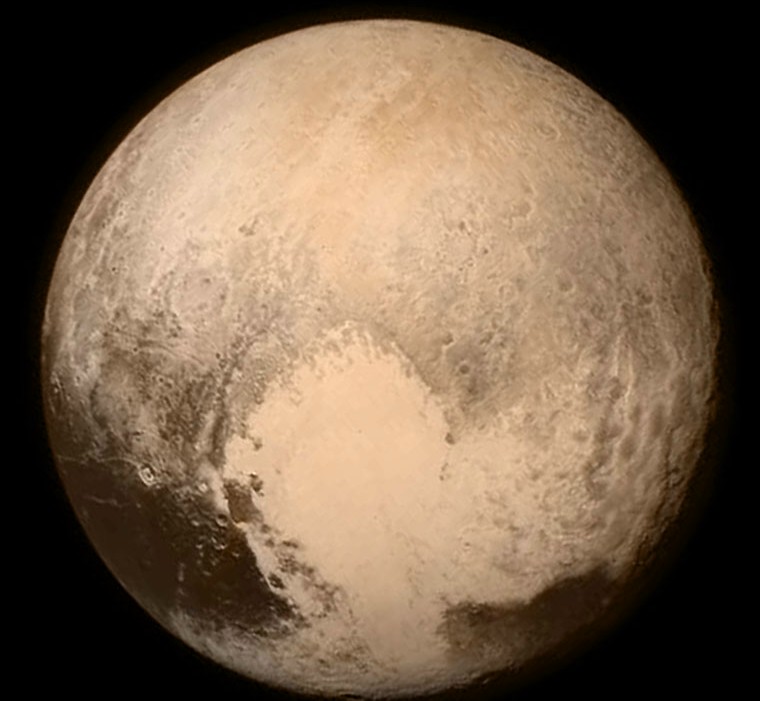
Pluto up close. It is cold and dark out there. Want to try living there? How ’bout’ working a little harder to look afer our planet Earth?
The first stems from my earliest introduction to Pluto when one of my grade school teachers covered a blackboard with a large poster of our universe, showing that wee, little planet out there, furthest away from the sun. I recall thinking how dark, cold and lonely a place Pluto must be.
To no one’s surprise, the images of the place coming in to NASA, have its experts saying there may be some possibility of “geological activity” occurring on the planet – i.e. volcanic eruptions taking place above a surface coated with sheets of frozen methane gas – but there are no signs of life approaching anything we are aware of on our Earth over the past many millions of years. Continue reading















































 Niagara At Large