
“Niagara’s beaches are an important part of summer in our community, and we want everyone to enjoy them safely.” – Dr. Azim Kasmani, Medical Officer of Health for Niagara Region.
A News Release from Niagara Region’s Public Health Department
Posted May 27th, 2026 on Niagara At Large
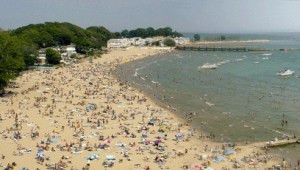
Bay Beach in the Crystal Beach area of Fort Erie, Niagara on a sunny, summer day
Niagara, Ontario – As warm weather returns and beach season begins, Niagara Region Public Health is launching its annual testing program, which monitors public beaches from Victoria Day through Labour Day.
Alongside this program, Public Health is offering tips to help residents and visitors experience Niagara’s beaches in healthy ways.
“Niagara’s beaches are an important part of summer in our community, and we want everyone to enjoy them safely,” says Dr. Azim Kasmani, Medical Officer of Health for Niagara Region. “In addition to testing beach water for bacteria like E. coli, our team is sharing tips to help everyone understand factors that can affect their health at the beach.”
Tips to stay healthy at the beach
Check beach water testing results at www.niagararegion.ca/beaches.
- Look at the water and weather in real-time. Water quality can change quickly with weather, waves, and water movement. If conditions don’t look right, enjoy the beach from the shore.
- Keep beach water out of your mouth and don’t swallow lake water.
- Wash or sanitize your hands before eating, especially after playing in sand or water.
- Practice sun safety.
- Follow drowning-prevention practices.
- Don’t forget about your pets, they can be affected by water quality and environmental conditions too.
- Beach water conditions and testing in Niagara
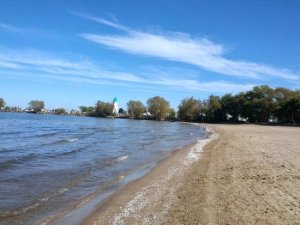
An early spring morning at Lakeside Beach in Port Dalhousie, St. Catharines before the beachgoers show up.
Niagara Region Public Health monitors water quality at 19 public beaches along Lake Ontario and Lake Erie. Water samples are tested regularly for E. coli to help determine whether conditions are safe for swimming, and results are posted one to two times per week on the website.
Even with regular testing, water quality can change quickly. People should avoid swimming when conditions suggest a higher risk of bacteria, such as after heavy rainfall in the past 24–48 hours, when the water appears cloudy or discoloured, or when strong winds and high waves are stirring up sediment. Large numbers of birds and/or crowded beaches are also signs to stay on shore.
Clean beaches are healthy beaches
Beach health is a shared responsibility. Residents and visitors can help keep Niagara’s beaches clean and enjoyable by not feeding birds or wildlife, using washroom facilities rather than the lake or beach, disposing of waste properly (or taking it with them), and avoiding soaps or shampoos in natural waters.
NIAGARA AT LARGE Encourages You To Join The Conversation By Sharing Your Views On This Post In The Space Below and by sharing the Niagara At Large site at www.niagaraatlarge.com with all of your friends and associates.
Visit us every day on www.niagaraat.arge.com and on Doug Draper’s Facebook page at https://www.facebook.com/doug.draper.180 and encourage everyone else you know to do the same. Let’s build media outlets for local news and commentary!

