
“A quick tick check should be part of your routine after spending time outside, just like washing your hands. It only takes a minute and it’s one of the easiest ways to prevent tick-borne illness.” – Gillian Dilts, Environmental Health Manager at Niagara Region Public Health
A News Release from Niagara Region Public Health
Posted April 20th, 2026 on Niagara At Large
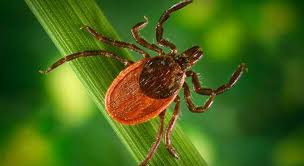
A tick in Ontario’s outdkoors
Niagara, Ontario – With warmer weather returning and residents eager to get outside and enjoy Niagara’s parks, trails, golf courses, and other outdoor activities, Niagara Region Public Health is reminding the community that tick season is also underway.
Ticks are present in Niagara’s outdoor environments. Some ticks, including the black-legged tick, can carry bacteria that cause Lyme disease and other tick-borne illnesses. Niagara Region Public Health monitors tick activity in the region and provides residents with practical, evidence-informed guidance to help prevent tick bites.
Cases of Lyme disease in Niagara remain relatively low, with 47 cases reported in 2025. For context, 2,370 cases were reported across Ontario in 2024. Continued surveillance, awareness, and education remain important to help maintain lower rates and supporting ongoing prevention of Lyme disease in the community.
“Through ongoing surveillance and monitoring, public health is able to better understand patterns of tick activity and Lyme disease across Niagara,” says Dr. Azim Kasmani, Medical Officer of Health for Niagara Region. “We use this information to support clear and practical public guidance aimed at reducing the risk of tick-borne illness in the community.”
Black-legged ticks are most often found in forested areas, tall grass, and leaf litter, but they can also be present in yards and neighbourhood green spaces.
To help reduce the risk of tick bites, Niagara Region Public Health encourages residents to take a few simple precautions:
- Perform tick checks on yourself, your children, and your pets after spending time outdoors.
- Use insect repellent that contains DEET or Icaridin (always follow label instructions).
- Wear light-coloured clothing to help spot ticks more easily.
- Keep grass trimmed and remove leaf litter where ticks may hide.
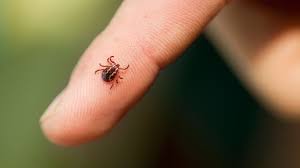
A tick, small but potentially dangerous, on a finger.
“A quick tick check should be part of your routine after spending time outside, just like washing your hands,” says Gillian Dilts, Environmental Health Manager at Niagara Region Public Health. “It only takes a minute and it’s one of the easiest ways to prevent tick-borne illness.”
Residents can also help track tick activity by submitting photos for identification through etick.ca, a tool used across Canada to support public health surveillance and better understand where ticks are found. In 2025, 600 ticks were submitted from Niagara, including 117 black-legged ticks, helping strengthen local awareness and prevention efforts.
Symptoms of Lyme disease can develop 3 to 30 days after a bite from an infected tick and may include fever, fatigue, headache, or a circular rash. Anyone experiencing symptoms after a tick bite, or who has had a tick attached for 24 hours or longer, should contact their healthcare provider.
For information on tick identification, safe removal, prevention tips, and guidance on when to seek medical advice, visit Niagara Region’s Ticks and Lyme Disease page.
NIAGARA AT LARGE Encourages You To Join The Conversation By Sharing Your Views On This Post In The Space Below and by sharing the Niagara At Large site at www.niagaraatlarge.com with all of your friends and associates.
Visit us every day on www.niagaraat.arge.com and on Doug Draper’s Facebook page at https://www.facebook.com/doug.draper.180 and encourage everyone else you know to do the same. Let’s build media outlets for local news and commentary!

