
News from the Hamilton, Ontario based watchdog group Citizens At City Hall, better known as CATCH in the Hamilton area.
(A Brief Foreword note from Niagara At Large publisher Doug Draper – This very same extreme weather report, courtesy of man-assisted climate change, could apply to our greater Niagara region. We could certainly use a watchdog group like CATCH here in Niagara to push our municipal politicians – many of them still living in the last century – along.)
May 1st, 2015 – In the wake of the hottest March in global records, there are growing provincial and municipal efforts to address the impacts of climate change, including a major McMaster symposium next week on how to respond to weather extremes in Ontario. And in contrast to Hamilton’s refusal to fund additional climate staff, Halton is trumpeting its financial commitment in the opposite direction.
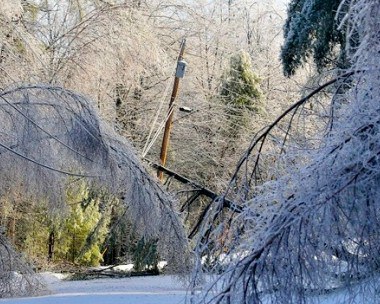
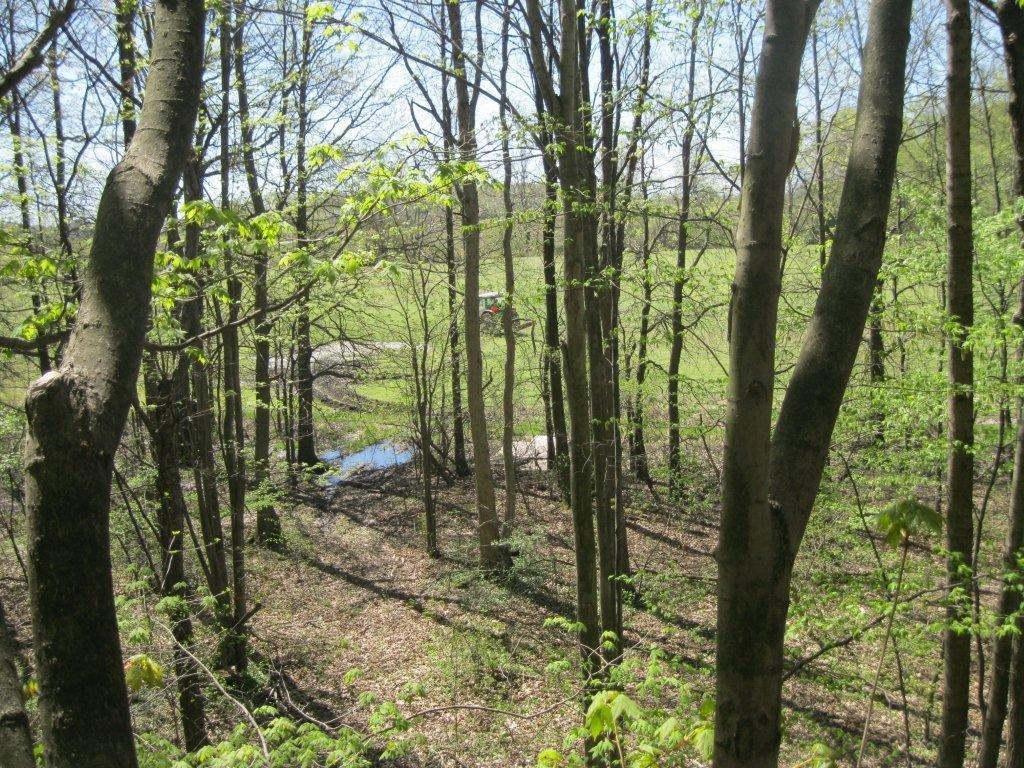
A recent look at weather conditions that snapped trees, downed electrical wires and caused millions of dollars of other damage in southern Ontario. Too bad we have too many loud voices on regional council in Niagara who call climate change a joke. This photo is here via NAL and was not part of the original CATCH piece.
The regional government that includes Burlington, Oakville and Milton highlighted climate change spending in its recently approved 2015 budget. That includes close to $6 million to strengthen response to “emergencies and urgent incidents including severe weather events” and to provide equipment for emergency warming centres.
“Weather patterns have changed over the past few decades with more localized storm events of greater intensity occurring with greater frequency, such as the December 2013 ice storm and the August 2014 flood,” notes the region’s media release on the budget. There’s also $5 million set aside to prevent the kind of basement flooding that hit over 3000 Burlington homes in last summer’s record-breaking storm.
The majority of Hamilton council in their budget deliberations rejected a senior staff recommendation to support the current half-time climate coordinator with two staff to prepare adaptation strategies for extreme weather at a cost of $192,000. Continue reading

















































 Niagara At Large