
Banning the bags could save the Canadian industry $10 Million a year and prevent harmful plastic waste and pollution
A Report from Environmental Defence Canada and the University of Toronto Trash Team
Posted July 23rd, 2026 on Niagara At Large
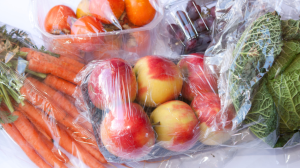 Toronto – A study from the University of Toronto Trash Team has found that grocery chains give out approximately 2,000 single-use plastic produce bags per store every day in Toronto.
These bags are virtually impossible to recycle and contribute to avoidable plastic waste and litter while costing one grocery brand more than $300,000 per year.
“Our research revealed just how normalized single-use produce bags have become, with thousands used every day in grocery stores across Toronto,” said Diego Arreola Fernández, 2024 Pollution Prevention Project Fellow, U of T Trash Team, and Founder and President of Green Speaking.
“A number of grocery store leaders support phasing out these bags because of their environmental impacts and high costs. With 94 per cent of surveyed customers willing to stop using them, the missing piece is consistent, sector-wide solutions that make sustainable choices easier for everyone.”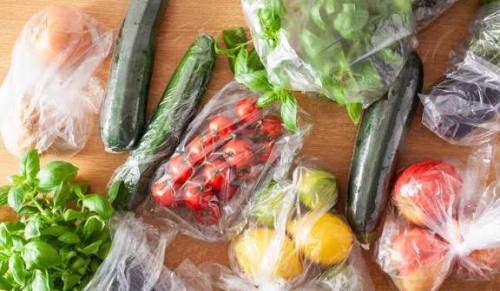
“Produce bags are pure trash and the epitome of unnecessary and harmful single-use plastic,” adds Karen Wirsig, Senior Program Manager for Plastics at Environmental Defence.
“This study demonstrates the benefits to the environment, grocery retailers and consumers if the federal government expanded the single-use plastics bans to include produce bags.”
Key Findings and Background
- In 2024, U of T Trash Team visited 30 locations of 11 grocery store chains in Toronto and observed customers’ behaviour related to produce bags. Researchers also conducted a survey of 50 customers.
- Based on the findings for Toronto, we estimate that more than 2.7 million produce bags are distributed and thrown away every day across Canada.
- More than 30 per cent of the customers surveyed use produce bags even when goods were pre-packaged or for fruits and vegetables with robust natural peels, such as bananas or onions. Nearly all the customers surveyed (94 per cent) are willing to use reusable produce bags and 72 per cent are willing to buy reusable bags.
- The study heard from one regional grocery brand that spends $300,000 per year on disposable plastic produce bags. Combined, Canada’s major grocery chains could save millions of dollars per year by eliminating the distribution of produce bags. These savings could be reinvested in sustainability initiatives, including refillable packaging systems.
- Bags cost one cent apiece for grocers to purchase. Canada’s grocery sector could save at least $27,000 per day, or nearly $10 million per year, if the bags were eliminated.
- Researchers found that grocery companies are interested in transitioning away from distributing produce bags but are unwilling to act without a policy that requires all grocery chains to act.
- Environmental Defence is calling on the federal government to expand the bans on harmful and unnecessary single-use plastics, including nuisance packaging like produce bags.
- The existing federal bans, implemented in 2022, have been effective at eliminating plastic waste and litter. Shoreline cleanup organizations have reported significant reductions in the banned items, including straws and checkout bags.
 ABOUT ENVIRONMENTAL DEFENCE (environmentaldefence.ca): Environmental Defence is a leading Canadian environmental advocacy organization that works with government, industry and individuals to defend clean water, a safe climate and healthy communities.
ABOUT THE UNIVERSITY OF TORONTO (U OF T) TRASH TEAM (uofttrashteam.ca): The U of T Trash Team is a science-based community outreach organization made up of undergraduate and graduate students, postdocs, researchers, local volunteers and staff all working together with a common goal to increase waste literacy in our community while reducing plastic pollution in our ecosystems. The organization was founded in 2017 in collaboration with the Rochman Lab, part of the Department of Ecology and Evolutionary Biology at the University of Toronto.
NIAGARA AT LARGE Encourages You To Join The Conversation By Sharing Your Views On This Post In The Space Below and by sharing the Niagara At Large site at www.niagaraatlarge.com with all of your friends and associates.
Visit us every day on www.niagaraat.arge.com and on Doug Draper’s Facebook page at https://www.facebook.com/doug.draper.180 and encourage everyone else you know to do the same. Let’s build media outlets for local news and commentary!

