
(A brief foreword from Niagara At Large publisher Doug Draper – The following commentary by John Bacher speaks to an example of where Niagara regional government once again fails us as a region. In the case documented below, instead of adhering to progressive planning principles around growing residential and business growth toward the southern tier of Niagara, where there is plenty of land ready to go within the existing urban boundaries, the regional council bows to parochial pressures to expand onto lands that should be protected as gifts to this region’s green and agricultural heritage.
In the specific case of West Lincoln, instead of the regional council collectively saying we will pool resources from across Niagara to sustain this municipal member as a valuable food belt, it has essentially said to hell with that. So much easier to go back to the old days of approving more urban, regardless of the consequences for Niagara’s future as a rich tapestry of urban and rural communities, and regardless of the consequences for, in this case, a magnificent Twenty Mile Creek/Balls Falls watershed we should all strive to protect and preserve for present and future generations.)
By John Bacher
For the past three years, there have been closed door meetings between Niagara’s regional government and the Township of West Lincoln – one of 12 local municipalities in Niagara, Ontario – over proposed amendments to the Niagara Regional Official Plan that came about because of the adoption by the provincial government’s Growth Plan in 2005.

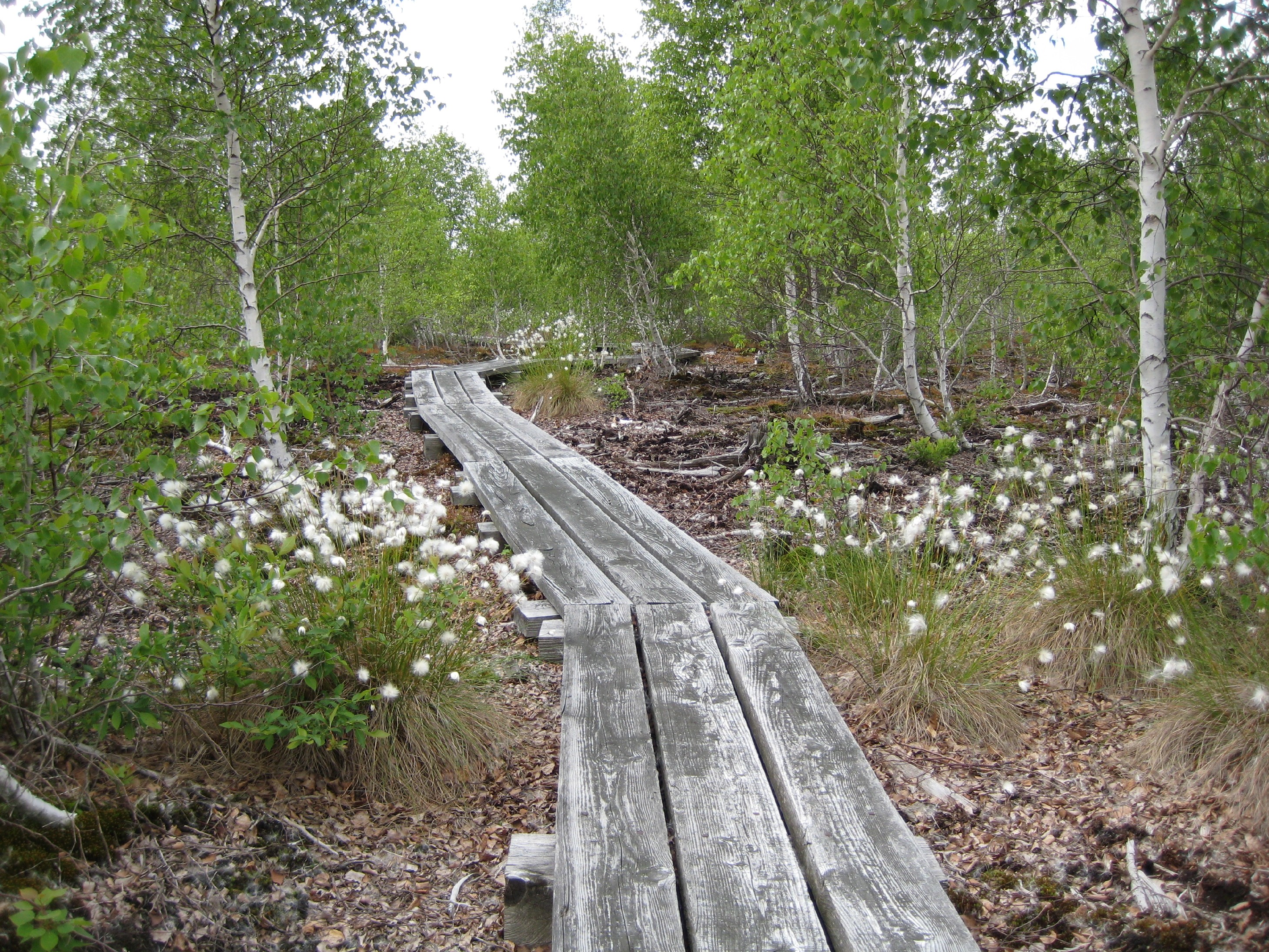
A popular trail along the below Balls Falls in the Twenty Mile Creek watershed. What will the impact of more urban expansion be on this natural treasure? Photo courtesy of the fine photography of Dan Wilson.
The Growth Plan is aimed at curtailing urban sprawl in parts of Ontario experiencing growth pressures and one of its basic principles was to place urban boundary expansion approvals in the hands of regional governments, and not lower-tier municipalities.
Together the Niagara regional government’s planning department and a called Dillon Consulting Limited examined if Niagara had any justification for an urban boundary expansion. It was concluded that since there was a 41-year supply of residential land across the entirety of the Niagara region that no such urban boundary expansions could be justified. Together they prepared an official plan amendment text that would not permit any urban boundary expansions within the next five year planning framework. Continue reading




































 Niagara At Large