
This post was submitted by Niagara, Ontario’s Regional Government
NIAGARA REGION, June 6, 2012– Through a partnership with Brock University Niagara Region commissioned a background report to better understand how climate change might impact Niagara.
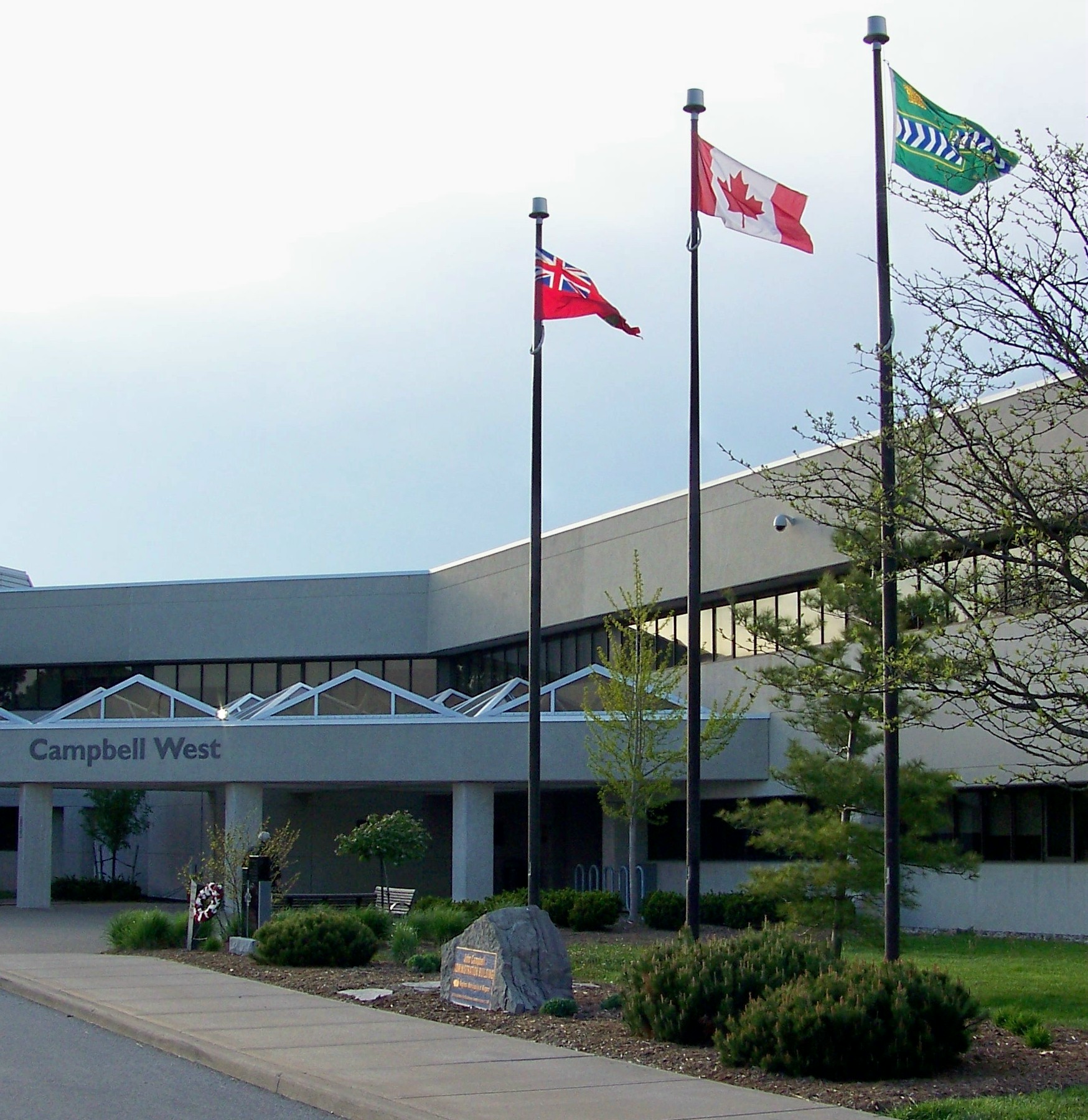
Niagara regional headquarters, Thorold, Ontario.
The report, “Adapting to Climate Change: Challenges for Niagara”, authored by Dr. Jennifer Penney, is now available and is expected to be a valuable resource to the many organizations and individuals working together to address the challenges of climate change in Niagara and in the development of community climate change action plans.
The author notes that while there are likely to be some positive effects from climate change, such as the fertilization effect of increased carbon dioxide, opportunities for more “hot crop” production, better conditions for warm climate grapes, less stress for fruit trees and a longer tourist season, the negative impacts are likely to outweigh the positive effects.
Some examples cited are damage to crops from increased heat and extreme weather, increased challenge and cost to the water treatment systems, increased stress on ground water supplies and shortages to rural residents, basement flooding from overwhelmed storm water and sewage systems, an increase in vector-borne diseases, heat-related illnesses, deaths and worsening of respiratory ailments, increased emergency management costs for emergency personnel, rising insurance premiums and increased health care costs, impact on most forms of transportation, buildings and subsequent impact on the economy.
This report is funded through the Region’s WaterSmart Program and is the result of collective action by the community, Brock University and Niagara Region to address an issue of great importance.
“Niagara works best when its people and institutions collaborate. Brock University places a premium on working with partners in ways that improve the prospects and quality of life for people across our community. There may be nothing more important to a community than having its various elements work together to forge a better future,” noted Dr. Jack Lightstone, President, Brock University.
“Environmental stewardship has been, and will continue to be an important part of Regional Council’s Business Plan priorities,” said Regional Chair Gary Burroughs. “The Region has taken a leadership role around climate change planning in Niagara, but the key to bringing any of those plans to life is our partnerships with our community, so we are encouraged by the tremendous level of participation from our partners like Brock University and others.”
Join us on Facebook, Twitter and YouTube
The public is encouraged to visit www.niagararegion.ca to view the report and take an
active role in working together to address climate change.
(Niagara At Large encourages all of our citizens to read this report, send their feedback to it to Niagara’s regional government, and to also share their views with NAL in the comment area below.)
 Niagara At Large
Time to revue the Ontario Drainage Act . 120 years ago it was implimented to remove excess water from the land to facilitate our agrerian society of which about 80% of the population worked. Now we are faced with climate change and extreme water shortages and this Act still exists. It basically turns our watersheds into managed drainage ditches thus interfereing with the natural absorption of rain water to restore our ground water levels . Thus leaving us more vulnerable to drought and water shortages than we would be if we had left our watersheds and wetlands intact. To me there is employment opportunities for youth to restore our watersheds to their original purpose. It is time to change the conversation from –how do we stop climate change ? —To how do we PREPARE FOR IT !!!
LikeLike
Regional Council needs to find ways to increase and further integrate the region’s PUBLIC transit networks to help reduce the need for every man, woman and small child to drive cars everywhere, including to the corner store. My health has significantly deteriorated over the years as a result of having to breathe in auto emissions. Having never smoked, there is no other cause for it, other than partly the Americans transmitting their pollution over to our lands and water.
LikeLike