Daily Archives: July 9, 2010

Ontario Ombudsman To Investigate G20 Security Regulation

(Niagara At Large is posting the following media release from the office of Ontario Ombudsman Andre Marin for all those who have visited this site at www.niagaraatlarge.com in recent days for accounts of the mahem in Toronto during the recent G20 summit by Niagara area residents.)

TORONTO, Friday, July 9, 2010 – Ontario Ombudsman André Marin today announced he is launching an investigation into the origin and subsequent communication of the controversial security regulation passed by the province prior to the June 26-27 G20 summit.

Ontario Ombudsman Andre Marin

The investigation, to be conducted by the Special Ombudsman Response Team (SORT), will examine the involvement of the (Ontario) Ministry of Community Safety and Correctional Services in the origin of Regulation 233/10, made last month under the Public Works Protection Act to apply to parts of downtown Toronto near the summit meeting site – and the subsequent communication about it to stakeholders, including police, media and the public. Continue reading

Gulf Of Mexico Has Its Catastrophic Oil Gusher, And Now Our Great Lakes Face The Possibility Of An Ecological Disaster Of Their Own

By Doug Draper

While we’ve been watching a environmental and economic catastrophe unfold on and along the waters, wetlands and beaches of the Gulf of Mexico, the world’s largest reserve of freshwater – the Great Lakes -may soon face a catastrophe of their own.

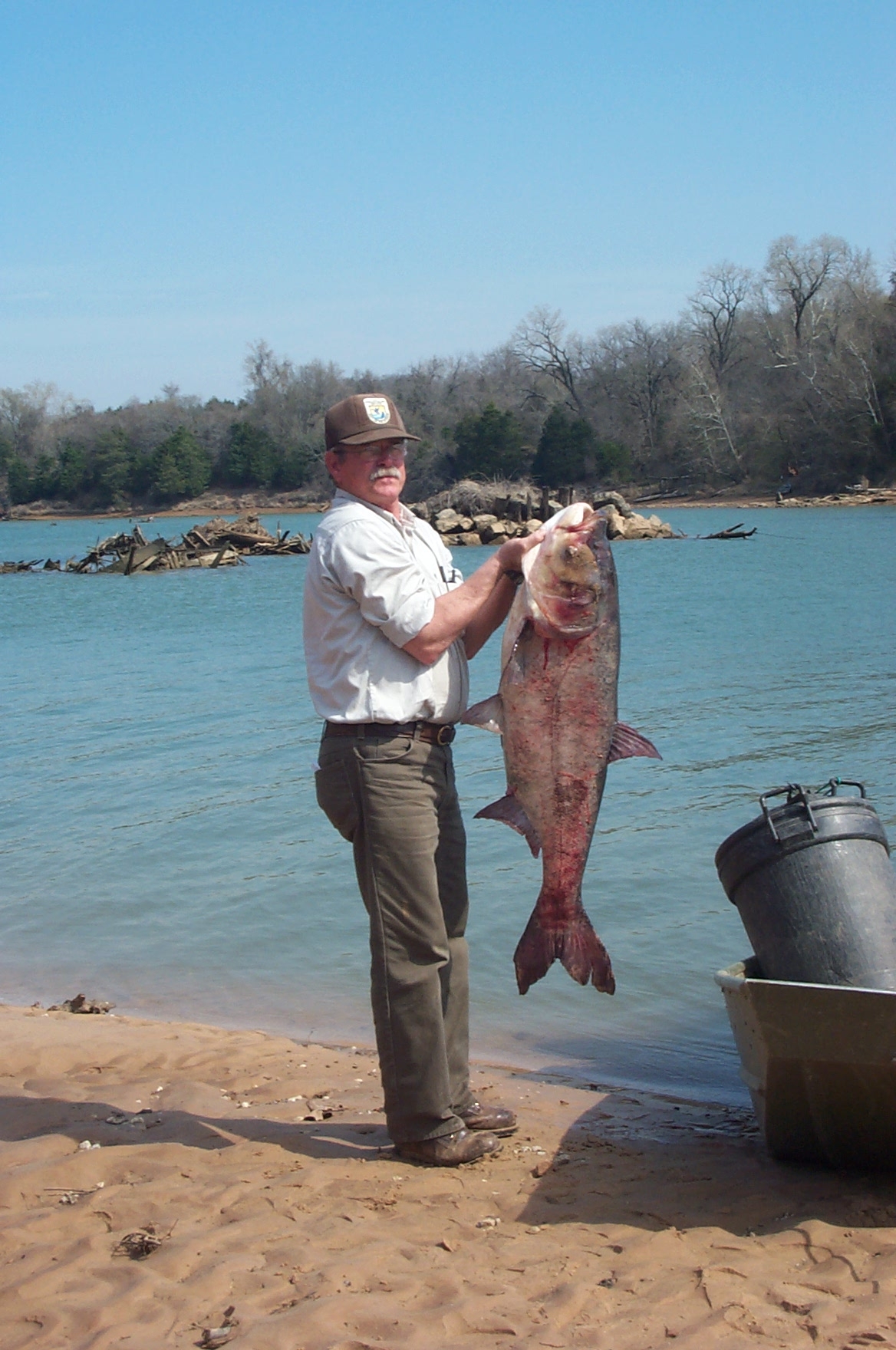
This Asian carp was caught in the upper Mississippi watershed near Chicago and Lake Michigan. Photo from the U.S. Fish and Wildlife Service.

This one would not come in the form of oil gushing from a well but from a voracious fish that could virtually destroy a Great Lakes fishery worth billions of dollars annually to communities on both sides of the Canada/U.S. border. 

The fish of concern are Asian carp and just as their name implies, they were alien to North America until they were imported to this continent in the 1970s to control the growth of algae in aquaculture pools (fish farms) in the southern U.S. where they eventually managed to escape to the Mississippi River and migrate north to tributaries connected to the Great Lakes. U.S. agencies have been using submerged electrical barriers in an effort to keep the fish from entering Lake Michigan near Chicago.

Then this June, according to recent reports in the Associated Press and other media, spawning Asian Carp have been found in the Wabash River near Fort Wayne, Indiana where nothing more than a floodplain separates them from the Maumee River and Lake Erie.

This latest discovery has coalitions of environmental and other citizen groups in both countries and on all sides of the Great Lakes renewing their call to the U.S. government to build physical barriers to separate the lakes from waters where, if the fish get in and grow in numbers, they have the potential to out compete native species for food and ultimately displace them.

“Lake Erie is well over a billion-dollar fishing industry and in Ohio, a $10.75 destination stop,” said Kristy Meyer, director of Agricultural & Clean Water Programs for the Ohio Environmental Council, in a media release circulated July 1 by the a U.S.-based citizens group called the Alliance for the Great Lakes. “Now, more than ever, (U.S.) state and federal agencies have to stop the finger-pointing and get their act together before these natural wonders become desolate carp ponds.” Continue reading

Niagara Report Gives Wind Turbines A Clean Bill Of Health

By Doug Draper

There is no scientific evidence showing a “direct link” between wind turbines and health effects for people living near them, concludes a report prepared for Niagara, Ontario’s regional government by its public health department and signed by its public health commissioner Dr. Robin Williams.

A wind farm along a shore area in the United States not unlike one that would include four towers and turbines near the shores of Lake Erie in Wainfleet, Ontario.

“While some people living near wind turbines report symptoms such as dizziness, headaches and sleep disturbance, the scientific evidence available to date does not demonstrate a direct causal link between wind turbine noise and adverse health effects,” says the report that was based on a review of available scientific evidence, with the assistance of the Council of Ontario Medical Officers of Health, the province’s Ministry of Health and Long-Term Care and Ontario Agency for Health Protection and Promotion.

That conclusion is bound to be controversial for residents already living near wind turbine farms or near sites, including one in the rural Niagara, Ontario municipality of Wainfleet, where a wind energy project has been proposed. These residents have collected numerous accounts from each other of health impacts from the constant whirl of the turbines.

Just the same, the regional government’s report goes on to say that “the reviewers were satisfied that sound level from wind turbines at common residential setbacks is not sufficient to cause hearing impairment or other direct health effects, although they acknowledged that some people may find it annoying.”

Bill Hunter, a manager in the region’s health department, told members of the region’s public health and social services committee this July 6 that compared to coal-fired energy plants, which contribute to air pollution, and nuclear, plants, which emit about 25 times more greenhouse gases to the atmosphere than wind turbines, wind power has a lighter impact on the environment. Continue reading