
From the Niagara Peninsula Conservation Authority
(Niagara At Large is posting this media release from the Niagara Peninsula Conservation Authority as it deals with a newly approved plan to focus on protecting the quality of waters in lakes, rivers and creeks upstream from the taps that deliver what we all hope is drinkable water to our homes.)
Niagara, Ontario, December 18th, 2013 – The Niagara Peninsula Conservation Authority is pleased to announce that the Province of Ontario has approved the Niagara Peninsula Source Protection Plan to strengthen local source-to-tap drinking water protection.
The plan was developed by the Niagara Peninsula Source Protection Committee comprised of local stakeholders in collaboration with its municipal and community partners. Implementation is scheduled to begin in the fall of 2014.
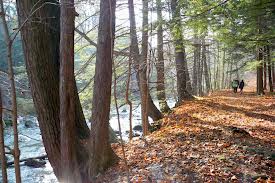
The Twelve Mile Creek system in Niagara, Ontario – part of a vital source water system that feeds the taps in our homes. Photo courtesy of Dan Wilson
“The Niagara Peninsula Source Protection Committee has done a tremendous job developing a plan that will safeguard local drinking water supplies. I thank them for their efforts, insights and leadership as we move forward into the implementation phase next fall,” remarked Jim Bradley, Minister of the Environment.
Clean and abundant water depends on healthy watersheds and the Niagara Peninsula Source Protection Plan will be particularly important to the numerous rural residents who do not have access to treated water. The development of local Source Protection Plans is part of the Ontario government’s strategy to invest in people, build modern infrastructure and support a dynamic and innovative business climate.
Mark Neufeld, Chair of the Niagara Peninsula Source Protection Committee notes “the Niagara Peninsula Source Protection Committee has worked tirelessly over the last several years to produce an effective source protection plan in partnership with local stakeholders. This work is fundamental to ensuring the continued protection of our high-quality municipal drinking water for both the residents and visitors to the Niagara area for generations to come”
Bruce Timms, Chairman of the Niagara Peninsula Source Authority offered his thanks and congratulations to the members of the Niagara Peninsula Source Protection Committee and staff “for a job well done. The professional expertise and leadership really did a great job for the people of the Niagara Peninsula watershed which includes portions of the City of Hamilton and Haldimand County.” He also “congratulates the Ontario Government for their vision and leadership in responding to the recommendations Justice Dennis O’Connor made following the Walkerton Inquiry with the Safe Drinking Water Act and Clean Water Act. Of particular note, I am pleased that the government committed the necessary financial support to enable conservation authorities and municipalities to undertake technical studies to provide baseline scientific information needed in the development of the Source Protection Plan to ensure that every Ontarian has access to safe drinking water.”
Source water protection links directly to a number of water management programs that the Conservation Authority and member municipalities have already been collaborating on over a number of years. The Niagara Peninsula Source Protection Area covers a watershed jurisdiction of 2,424 square kilometers serving a population of more than 450,000 residents within 15 municipalities. Niagara’s six municipal water treatment plants provide drinking water to over 80 percent of the population.
(Niagara At Large invites you to share your views on this post. A reminder that we only post comments by individuals who share their first and last name with them.) Niagara At Large
This plan should be taken with a grain of salt, and a great deal of sceptism, it has taken nearly 50 years to decide that a sewage lagoon located in NOTL should be closed down, the coast line up to St Catharines city limits have routinely been posted for E-Coli, The sewage lagoon located within the city limits of Niagara Falls, the one that serves 3000 Stevensville residents, plus the thousands that attend the concerts during the summer in Stevensville.spews out thousands of gallons of semi-raw sewage, that flows towards the water intakes of the Chippawa water treatment plant Hello !!!!, That also happened to the native peoples at a northern community, thousands got hit with E-Coli and had to be evacuated. where will the people of Niagara Falls be evacuated to.???
LikeLike
Dear Editor,
Regarding this self-serving hyperbole emanating from the overabundance of ‘concerned’ agencies feeding off the taxpayer, I would like to point out that there are a few flies in their ‘water-smart’ ointment.
When the Niagara Winners Circle raised the alarm about toxic pollutants flowing into our water source, the Niagara Regional Authorities were so alarmed that they immediately took action by hiding behind their ‘Freedom of Information’ law. Their primary interest seemed to be covering their own backside than investigating the cause and effects of a reported toxic pollution dump.
Regional bureaucrat Mr. Ken Brothers claimed that half a million tons of toxic soil was someone else’s problem. Bureaucrat Brothers has thus far refused to divulge the location of the toxic soil.
http://newsalertniagara.blogspot.ca/2012/09/pollution-alert.html
Region’s Health Officer, Dr. Jaeger’s solution to pollution is dilution. The poison water traveled down the same twelve mile Creek, admirably photographed in the article, and poisoned the feed that killed 15 beautiful Swans. Perhaps it didn’t get diluted enough before in poured into Lake Ontario.
http://newsalertniagara.blogspot.ca/2012/11/watersmart-niagara-how-does-that-work.html
Remarks by Jim Bradley are rich coming from a man, who was also the Minister of the Environment, during the Walkerton disaster when the town’s water well was allowed to be placed downhill from a manure yard.
Bruce Timms, Chairman, Niagara Peninsula Conservation Authority was a long term Regional Councillor when the NWC reported a serious toxic pollution dump that no one at the Niagara regional Government, including Councillor Timms wanted to hear about.
Could it be that the many partners of Niagara’s authorities only care about pollution when it emanates from non-government sources?
LikeLike
Congradulations on your efforts to make this come true for us now and for future residents of Niagara . Although upper watershed management is the last thing that most people think is important , it truly is something that is the basis for all life , One only has to look at the degredation of our Great Lakes . If we pictured the Great Lakes as a beating heart and the surrounding watersheds as their arteries . We see how important the health of every creek and river that flows into them . These watersheds have been asked to act as ditches to convey polluting landuse operations discharge directly into the heart . Without any vegetative buffering we allow Billions in Top Soil Loss along with manmade pollution to be flushed into 20 % of the worlds freshwater . Then we spend umpteen Billions to try and clean it up so we can bathe and drink it . Seems to me that if we Keep it Clean at the sources we can actually save money down stream . Talk about a win win — save money and Clean up the Great Lakes at the same time . I think it is time to make the Tax Savings argument to Ontario Tax Payers . I Know you would grab their attention then !
LikeLike
Has anybody noticed that storm sewers are running from roads and homes down the Twelve Mile Creek, , close to the headwaters. This is the same Twelve Mile Creek that the Natural Resources monitor for temperature and contaminates to protect the brook trout.
LikeLike