
A Public Advisory from the Niagara Health System, February 1, 2013
The Niagara Health System today declared a C. difficile outbreak at the St. Catharines General Site’s Oncology Medical/Palliative Unit.
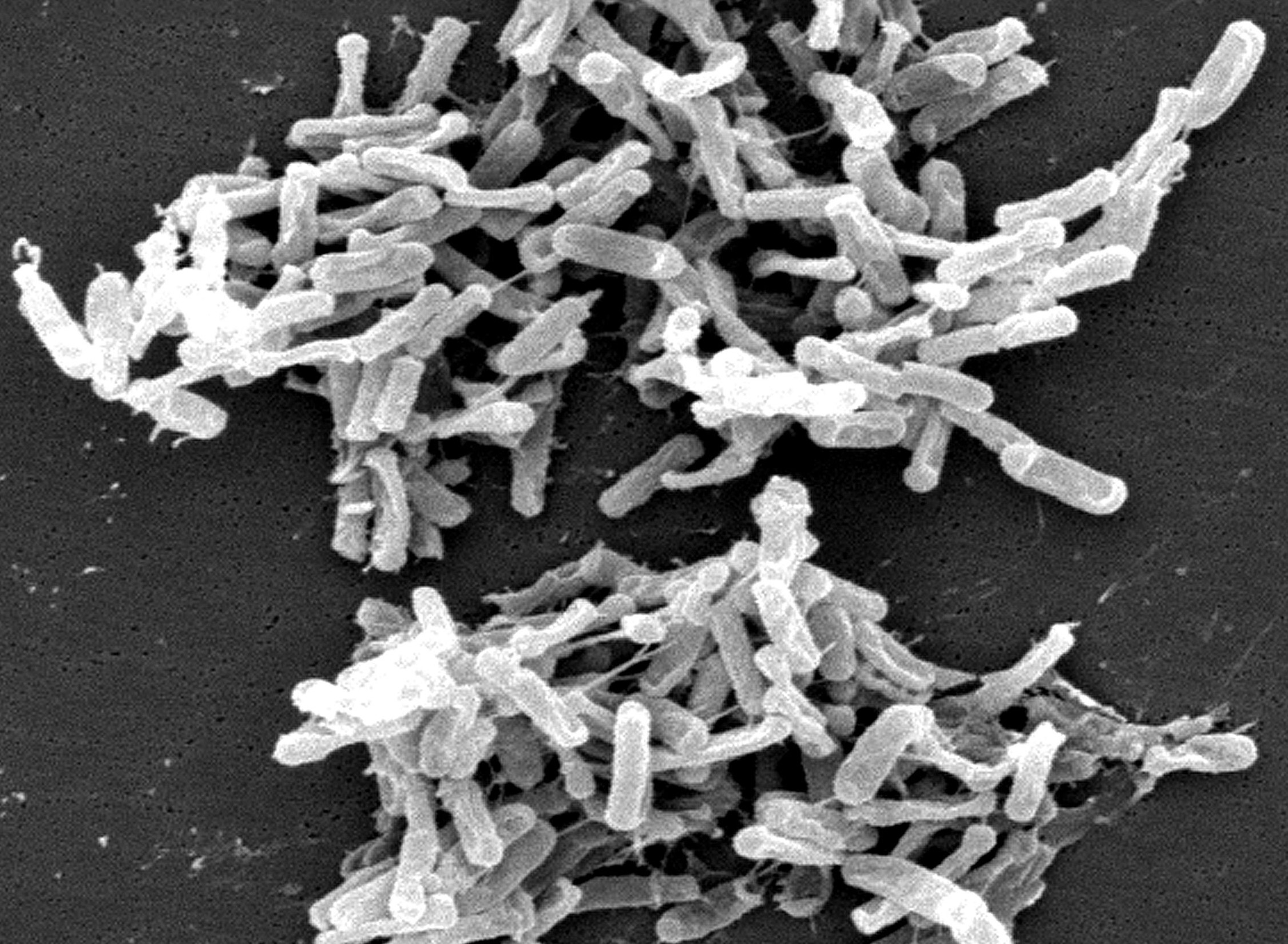
C. Dff – an out break of the dangerous bacteria is back at one of Niagara, Ontario’s larger hospital sites.
Five patients on the unit have confirmed positive for hospital-associated C. difficile in the last two weeks. Under our infection prevention and control protocols, this means the unit is considered to be in outbreak. Four affected patients remain on the unit, and there have been no deaths associated with the outbreak. There are no other C. difficile outbreaks at the NHS.
“We have stringent infection prevention and control protocols at all of our sites, and our doctors, staff and volunteers work extremely hard to follow these best practices,” says Dr. Joanna Hope, Interim Chief of Staff. “We are doing everything we can to get out of this outbreak as quickly as possible.”
NHS is in regular contact with infectious disease specialist Dr. Michael Gardam. Dr. Gardam is Director of Infection Prevention and Control for the University Health Network in Toronto and a recognized expert in Canada for infection prevention and control.
“I consult with the infection prevention and control team at the NHS every week, and the hospital has put a number of innovative measures in place to minimize spread and control C. difficile,” says Dr. Gardam. “Superbugs like C. difficile are an ongoing battle for all hospitals and will always be a challenge.”
Our enhanced practices were put into place at all NHS sites in 2011 based on consultation with Dr. Gardam and other experts. These practices include heightened monitoring for C. difficile, increased housekeeping and nursing resources, increased hand hygiene audits, and an ongoing review of our use of antibiotics, which can be a factor in patients developing C. difficile.
Everyone visiting any of our hospital sites is reminded to clean their hands regularly. Please do not visit if you are sick.
Clostridium difficile infection at a glance
- Clostridium difficile is a bacterium that causes inflammation of the colon, known as colitis. C. difficile is widely distributed in the natural environment. It colonizes adults, most of whom are initially asymptomatic. Unlike other diarrheal illnesses, resolution of symptoms in patients with CDI takes longer.
- The exact percentage of adults colonized with C. difficile is unknown, but the number is suspected to be higher than previously thought due to factors such as potential transmission and/or colonization through foods, contact with pets, etc. Given this reality, a number of cases that appear to have been contracted in a hospital setting are in fact, the result of existing colonization with health care processes and treatments (e.g. antibiotics, chemotherapy, consequences of surgery) being responsible for unleashing the infection.
- C. difficile is an opportunistic pathogen. There is a link between antibiotic exposure as a trigger in the right host, rendering the notion of “incubation period” less relevant with this organism – i.e. using strong antibiotics, sometimes to save a patient’s life, will create an environment for existing C. difficile to ‘take over’ in a patient’s colon
- Management of patients with C. difficile infection focuses on appropriate use of isolation, hand hygiene and environmental cleaning.
- Prevention of C. difficile infection focuses on a multi-faceted strategy including appropriate use of antibiotics, and infection prevention strategies, including the use of routine practices, hand hygiene, prompt detection of acute diarrhea with isolation and testing for C. difficile, and environmental cleaning.
Adapted from materials from Public Health Ontario
(Niagara At Large invites you to share your comments below. PLEASE NOTE that NAL only posts comments by individuals who also share their first and last names.)


This is why we need alternatives, not just one huge complex. If there was an outbreak what would happen to all the services that we have lost? We need answers, Loss of life is not worth an elaborate nice new palace,in impossible weather conditions. Read all the accidents have just happened this last week. What we need is COMMON SENSE not just educated ignorant decisions by people that are not knowledgeable with all our problems that we have had on the upper and lower escarpment. I have experience eight decades of the things that have happened. And I do not have the space or time to recount the numerous things that have taken place.
Storms, floods fogs sunny in the north, stormy in the south Temperature differences just to name some examples.
Bill Augustine
LikeLike
Here’s an interesting (if distasteful-to-discuss) solution to c.difficile
AND the podcast says that it was DISCOVERED 50 YEARS AGO as a nothing-to-lose experiment to cure … CLOSTRIDIUM.DIFFICILE !!!
(Moreover, the podcast begins by documenting this method as curing a case of Multiple Sclerosis!)
Wonder why our NHS and OHIP aren’t using this to save those who catch c. difficile in our hospitals?
Freakonomics Radio: “The Power of Poop” [~15min]:
“An infection of the Clostridium difficile bacteria, causes pseudomembranous colitis and can lead to death.
Since the beginning of civilization, we’ve thought that human waste was worthless at best, and often dangerous. What if we were wrong?” http://www.freakonomics.com/?s=%22power+of+poop%22&x=82&y=18
LikeLike
Serendipity strikes again. This article arrived in my Inbox today:
“New Human Organ Discovered – Composed Entirely of Bacteria?”
“…Next time you’re at the grocery store, take a few seconds to appreciate the heft of a one-pound pack of butter . . .
“Because some researchers now believe you have an entire organ weighing two or three times that amount in your gut — an organ composed entirely of bacteria!
“This organ, which scientists refer to as the “microbial organ,” contains about 100 trillion bacteria, most of them beneficial in nature. These “friendly” bacteria perform many helpful body functions, and are particularly essential to your optimal digestive and immune health.
“Unfortunately — and particularly with increasing age — non-beneficial bacteria may start to crowd out the friendly species. This causes an imbalance that can lead to common digestive concerns such as constipation, diarrhea, gas, bloating, or abdominal discomfort …”
LikeLike
Be sure! More super bugs and infections are on the way. Have you seen how people use the sanitizing stations? Most have no idea how to.
Poorly washed hands mean more and more “bugs” will survive hand sanitizing at these machines. Those that survive will be harder to kill. Ergo more super bugs.
And have you seen even the news when someone is cleaning a bed at the hospital. Many areas of the bed are usually missed. More bugs beat the effort to kill them. Ergo more super bugs.
And why are so many infections still happening in Niagara hospitals. Yes, other hospitals have them but you don’t hear of as many from other hospitals. Or, perhaps the news we get only covers infections down our way.
Surely, there could be — and indeed may well be — a place where which hospitals have which outbreaks when. I would like to know how Niagara’s various hospitals compare to those in the rest of the province and the rest of the country.
Or, are Niagara’s bugs just better at surviving.
Once one was in the hospital when an emergency room doctor took information from a patient while that doctor had his foot on the patient’s bed. Ah, but then, his shoes may have been sterile.
As Bill Augustine points out. What if we get a major outbreak at our newest hospital. Where will patients go then?
LikeLike
Does it surprise you?
True story (and it pains me to share this) – My grandmother who was ill was admitted and committed to longterm care until a spot opened up for her in a long-term elderly care facility. While at the General she developed an infection that caused this horrible death like smell. Her mind was affected made obvious from her behaviour. The General’s solution? Put her in a room away from everyone else! Thank God she was admitted into Upper Canada Lodge within a couple of weeks. Under their care the problem was resolved within a couple of days!!!! This hospital is a cesspool and the staff (NOT ALL!) do not care.
True story ( and it pains me to share this for other reasons) – I have an acquintance that used to work housekeeping there. His major objective during the day was to find places to sleep and shirk his responsibilities.
Is it any wonder? People aren’t doing their jobs, they are protected by unions and we the taxpayer pay the price.
Sorry if I sound a little ticked, but there is no reason for CDiff to exist and I know too many families that have been wrecked because of this and it is entirely avoidable.
Sadly just sayin…….
LikeLike
Greg:
Friends of mine were sent from hospital to hospital in Niagara to determine whether he had eye problems or a stroke. At SCGH, the nurse taking his blood sample, dropped the cotton swab on the floor, picked it up and put it on his needle puncture. They were too stunned to complain. It seems obvious that SCGH has an internal cultural problem that the NHS needs to CHANGE.
Here’s a similar and terrifying story from Britain:
“Stafford Hospital carer accused of dragging 73-year-old by collar”
‘Four doctors and 10 nurses face misconduct hearings in wake of healthcare scandal’
JEREMY LAURANCE Friday 08 February 2013
http://www.independent.co.uk/life-style/health-and-families/health-news/stafford-hospital-carer-accused-of-dragging-73yearold-by-collar-8486076.html??utm_source=indynewsletter&utm_medium=email
Hopefully, an inquiry in Niagara won’t find SCGH to be as bad, but something needs to be done – after all, SCGH will soon be running what has become NIAGARA REGION’s hospital. If there are as many of these anecdotes as I suspect, WE’RE ALL IN TROUBLE.
LikeLike