
By Willy Noiles
Regional councillors got their first look at the Niagara Regional Police Service’s proposed 2012 budget last Thursday at a budget committee of the whole meeting. Deputy Chief Joe Matthews called the proposed budget both “efficient” and “effective.”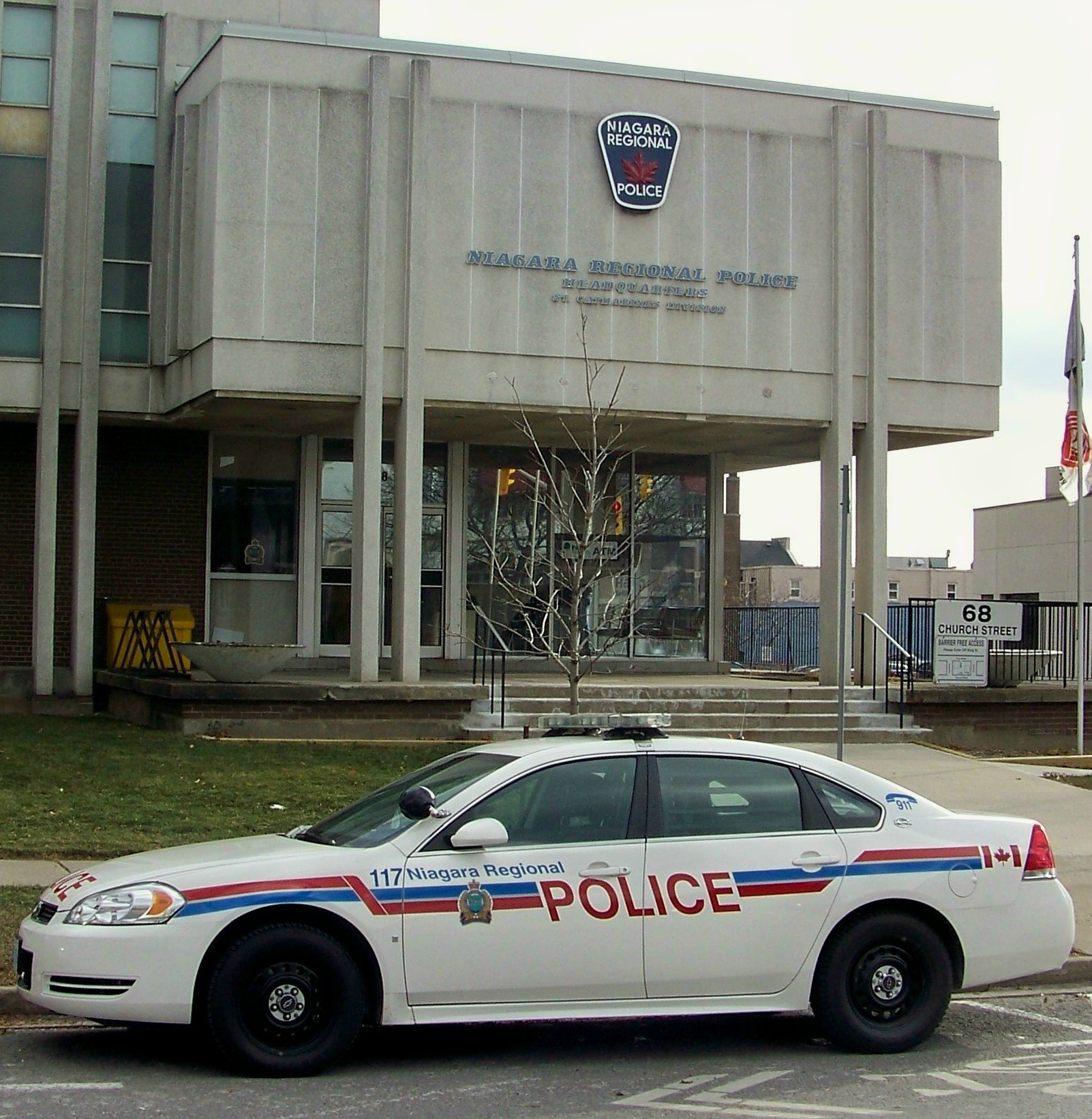
Deputy Chief Joe Matthews presented the budget, which managed to fall within the target set by the Region. The force’s proposed operating budget represents a 3.93 per cent increase over 2011.
The $126.9 million plan includes debt charges that were consolidated and removed from the operating budgets of regional departments and interim facilities costs that were included in the budget instead of being funded from regional reserves. When those factors are removed, Matthews explained, the force’s increase is 2.28 per cent or $2.78 million. The Region had asked the force to hold its increase at $2.8 million, Matthews added.
To hold the line on the increase, Matthews said senior staff went through the budget with a fine-tooth comb cutting a little more than $718,000. The axed items included reducing seminars, conferences, travel, uniforms, training ammunition and tuition reimbursements for members who want to take courses.
“We believe what we have presented is a reasonable budget, an efficient budget, but a budget that provides us with the resources necessary to meet our requirements,” Matthews said.
A large portion of the increase is made up of $3.5 million in personnel costs due to a previously arbitrated collective agreement increase, uniform step increases as officers advance on the pay grid and pay equity adjustments. The budget proposes no additional personnel. Personnel costs account for 94.7 per cent of the force’s budget.
Under questioning from Niagara Falls Regional Coun. Bart Maves, Matthews noted there is one new net hire but its part of a provincial grant from the Community Safety Ministry for an anti-violence strategy. As part of the grant, the salaries of two new officers will be paid for at least 30 months. (There was one less civilian employee this past year—former chief administrative officer Guillermo Fuentes who left for another job. It appears the police services board intends to leave the position vacant for at least the coming year.)
The budget does come with risks. One of those risks is the reduction of pre-hires from 20 to 10 recruits (which will save about $1 million), giving them less cushioning when members retire. A large contingent of officers is reaching retirement age and many tend to retire with only the required two weeks notice. Because it takes at least nine months before a new officer is trained and ready to go out on their own, it’s important to have trained officers ready when a senior officer retires, Matthews said. Although its impossible to know how many officers will retire in any one year, Matthews added they’ve had an average of 10 retirements each year.
Other risks include technology advances, which makes it difficult to keep up with the rate of change, and more complex investigations than in the past, Matthews said. There’s always the risk new federal or provincial legislation will affect police services, he added, listing changes to the Coroner’s Act or the Mental Health Act as examples.
The force’s proposed 2.28 per cent increase not only meets Regional guidance but is much lower than the force’s increase this year of 5.1 per cent.
Niagara At Large welcomes Willy Noiles, a veteran regional reporter in Niagara, as a contributor of news and commentary to our site.
(We welcome our readers to share their views on this post below.)
 Niagara At Large