
She Was Harper Lee. And The Book Was ‘To Kill A Mockingbird’ – A Literary Masterpiece That Opened Millions Of Eyes To The Horrors Of Racial Injustice In America’s Deep South
A Brief One by Doug Draper
Posted February 19th, 2016 on Niagara At Large
More than six decades before the world first heard the rallying cry; “Black Lives Matter,” and three years before the ‘March on Washington’ where Martin Luther King delivered his iconic ‘I Have A Dream’ speech, paving the way, a year later, for the U.S. government’s passage of the Civil Rights Act, outlawing discrimination based on race, color, religion, sex or national origin, there was Harper Lee’s ‘To Kill A Mockingbird.

Harper Lee in her Pulitizer Prize-winning writing time.
Along with John Howard Griffin’s ‘Black Like Me’, Martin Luther King’s ‘Why We Can’t Wait’, Dick Gregory’s ‘Nigger’, Eldridge Cleaver’s ‘Soul On Ice’, and James Baldwin’s ‘The Fire Next Time’ and ‘Notes Of A Native Son’, Harper Lee’s Pulitzer Prize-winning novel about a white lawyer from Alabama who tried defending a young black man against a trumped up rape charge helped galvanize the movement for racial justice in America and even across the border in Canada in the 1960s.
‘To Kill A Mockingbird’, with its cast of engaging, unforgettable characters, including the heroic lawyer Atticus Finch (played with such dignity and strength by Gregory Peck in the movie based on the novel) sold in the tens of millions, and was one of the few books I and so many other students actually looked forward to reading from cover to cover in school.
How much real and lasting progress cane from all of the fighting for civil rights and equality inspired by the voices of people like Martin Luther King, James Baldwin and Harper Lee.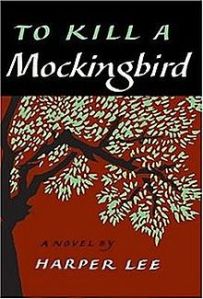
There certainly has been some but the disproportionate number of people of color living in poverty, killed violently and locked up in jail says that King’s dream of reaching the promised land is still far from being fully realized.
It would have been interesting to hear Harper Lee’s take on how far we have or haven’t come in addressing the injustices aimed at one group or another in her country. But like ‘Catcher in the Rye’ author J.D. Salinger, she wrote one great and powerfully influential book, then became a recluse until she died at age 89 this February 19th.
The book, though, is rich with messages that are universal and lasting for all time.
“The one thing that doesn’t abide by majority rule,” Harper Lee taught us in one passage, through her Atticus character, “is a person’s conscience.”
Then there were two of the greatest closing lines of a novel I can ever remember reading – the ones where Scout, the character in the book who was Harper Lee as a child, talks about her father Atticus going to her injured brother’s room to look over him.
“He turned out the light and went into Jem’s room. He would be there all night, and he would be there when Jem waked up in the morning,”
How many of you still have your old, dog-eared copy of ‘To Kill A Mockingbird’. I’ll bet there are quite a few.
NOW IT IS YOUR TURN. Niagara At Large encourages you to share your views on this post. A reminder that we only post comments by individuals who share their first and last name with them.
Visit Niagara At Large at www.niagaraatlarge.com for more news and commentary for and from the greater bi-national Niagara region.
 Niagara At Large
I remember one line in particular in the movie that makes me cry. When the trial is over and Atticus leaves the court room…….
“Stand up little girl, your father is passing by.” Gets me every time.
LikeLike
I absolutely loved “To Kill A Mockingbird”.
Read Harper Lee’s paperback in High School and adored the movie starring Gregory Peck. It just has “so much” in it. Even though I have the movie in my video library, whenever it comes on, no matter the time of day or night, I am again so captivated that I have to drop everything to watch it again.
We are grateful to have such a hallmark work from such a great and humble storyteller.
LikeLike