
A Call For Your Input from the Toronto-based animal advocacy group Zoocheck Canada.
(A Brief Foreword from NAL publisher Doug Draper – Long before I began writing stories about the treatment of marine mammals at the popular Niagara Falls, Ontario amusement park Marineland while covering environmental issues at The St. Catharines Standard in the 1989s and 90s, there have been calls from citizen activists, marine biologists and former marine park employees for effective legislation for protecting these great creatures of the sea where ever they may be held in captivity in Ontario.
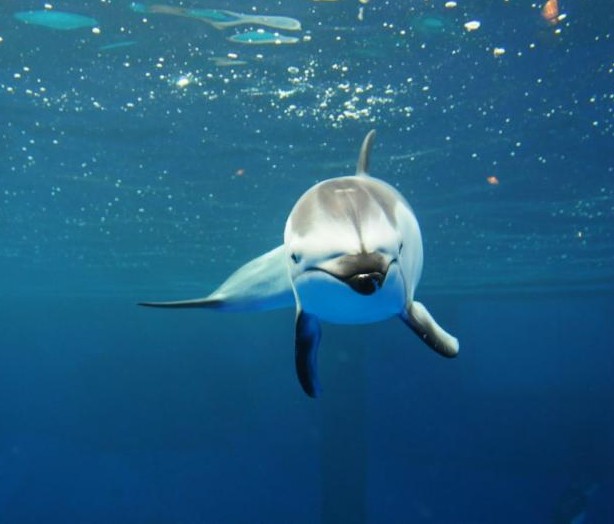
Dolphin in captivity. Photo accompanied Zoocheck news release on proposed Ontario marine mammal protection standards
Finally, three years after Canada’s largest circulation newspaper, The Toronto Star, did a series of articles highlighting alleged examples of animal mismanagement at Marineland – allegations the park’s owner John Holer has adamantly dismissed as false – Ontario’s Liberal government unveiled proposed new standards for protecting marine mammals this past July and members of the public have until this coming September 14th to comment on them.
It the standards, as drafted, remain intact, it appears that Ontario will be the first province in Canada to ban the sale, acquisition and breeding of marine mammals. That is good, although it doesn’t do much for marine mammals now in captivity.
In the post below, Zoocheck, a Canadian animal advocacy organization with a long history of expressing concern about the treatment and the very concept of keeping whales and other marine mammals in captivity, lists some important weaknesses in the proposed standards that must be addressed if the public is to place any real trust in them.
As Zoocheck notes, the standards should require any zoo or amusement park that has marine mammals to retain a veterinarian specialized in marine biology to look after these animals – not, as is too often the case, a veterinarian that primarily cares for pet dogs and cats called in every now and then.
It is also very disappointing that the standards do not require owners of captive marine mammals to publicly disclose records on the status of the animals, as required of marine mammal zoos and parks in the United States and other countries.
Please read the Zoocheck post below and click on the link where you can review the standards as drafted. And certainly use the contact information below to let the government know how you feel these standards should be amended before they are passed into law.)
During the past several years, there has been a great deal of discussion about marine mammals in captivity in Ontario. That eventually led to the Ontario Legislature passing Bill 80, the Ontario Society for the Prevention of Cruelty to Animals (OSPCA) Amendment Act on May 28, 2015. The Bill does two things:
- Prohibits the breeding and possession of orcas (except Marineland’s lone orca Kiska) in Ontario
- Expands the existing regulation-making authority under the OSPCA Act to allow the Minister to establish additional administrative requirements related to management, oversight practices, professional services, and collecting and disclosing information, intended to ensure the appropriate care of an animal.
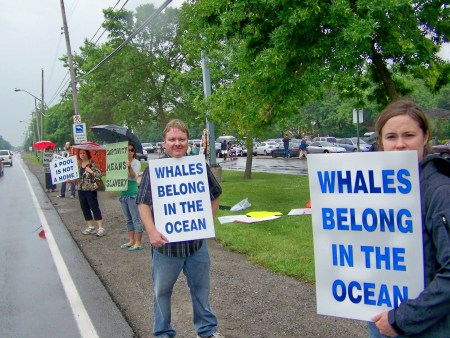
Protesting in front of Marineland park in Niagara Falls, Ontario. File photo by Doug Draper
While we would have liked Ontario to ban the keeping of whales and dolphins entirely, that wasn’t what they chose to do. Instead, they are now working on regulations, under the OSPCA Act for the keeping of marine mammals in captivity. While there are some positive aspects to what is being proposed, there are many deficiencies that will make the regulations weak and difficult, if not impossible, to enforce. Unless these deficiencies are addressed, the situation in Ontario may not change very much at all.
A partial list of deficiencies in the proposed Marine Mammals in Captivity Standards –
- No requirement for veterinarian with marine mammal experience and expertise.
- No minimum time requirement for enrichment activities/programs to keep animals occupied.
- No requirement for social animals to be given companionship, so Kiska may be left in social isolation. Belugas or dolphins should be introduced to her.
- No requirement for privacy/refuge areas for animals, particularly important when many animals housed together and may be subject to aggression (bullying).
- No requirement for seals, sea lions or walruses (pinnipeds) to be kept outdoors, even on a partial basis, so they have opportunities to experience natural sunlight and conditions.
- No public disclosure of animal information or records, so no public accountability.
For further information see:
The Government of Ontario consultation notice
The proposed Standards of Care and Administrative Standards
If you are concerned about the proposed standards: email comments to ynaqvi.mpp@liberal.ola.org. or submit online by September 14, 2015
Zoocheck is a Canadian-based international wildlife protection charity (#13150 2072 RR0001) established in 1984 to promote and protect the interests and well-being of wild animals. Zoocheck works with a broad range of collaborating partners around the world.
Zoocheck endeavors to promote animal protection in specific situations and strive to bring about a new respect for all living things and the world in which they live.
For more information on Zoocheck Canada, visit its website at www.zoocheck.com .
Visit Niagara At Large at www.niagaraatlarge.com for more news and commentary on issues and activities that matter to our greater binational Niagara region and the world around us.
(NOW IT IS YOUR TURN. Niagara At Large encourages you to share your views on this post. A reminder that we only post comments by individuals who share their first and last name with them.)
 Niagara At Large