
- You Are Invited To A Free Screening Of This Film On Our Great Lakes At The Mahtay Café In St. Cahtarines
News from the South Niagara chapter of the Council of Canadians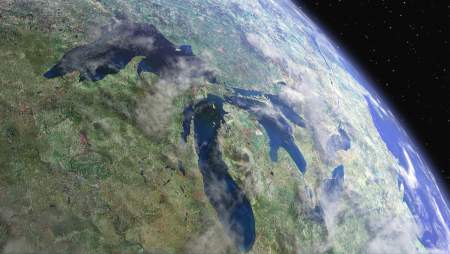
Award-winning documentary film director, Kevin McMahon, is as passionate about the Great Lakes as he is worried about their fate. His compelling film, Waterlife, will be screened on Sunday, March 22nd, to commemorate World Water Day, at the Mahtay Café and Lounge, 241 St. Paul Street, St. Catharines, from 1:30 to 4:30 p.m. The documentary will be followed by a panel discussion on threats to the health of the Great Lakes.
A former journalist at the St. Catharines Standard, McMahon shifted to documentary film-making in the mid-1980s. It was in Niagara that his engagement with the Great Lakes began, when he covered the then-emerging disaster at Love Canal in Niagara Falls.
Waterlife, described as “visually stunning and brilliantly conceived”, is a film McMahon has been working toward throughout his 30-year career as a writer and documentary filmmaker.
Nearly ten years ago, 60 of the top scientists involved in Great Lakes research issued an unprecedented statement that the Great Lakes ecosystem—its ability to generate fish and clean its water—is enduring so many stresses that it may be nearing an irreversible collapse. This research warns that we should not expect a continued slow decline but a sudden crash.
How has it come to this point, that the public now accepts the fact that the lakes are no longer safe to swim in? The Great Lakes are the source of drinking water for the 35 million or so people who live on and near their shores, but we take it for granted that this water is safe and will continue to be so.
Waterlife is a wakeup call to the extreme threats facing these great bodies of water that we share and hold in trust as 20% of the surface fresh water on earth.
The panel discussion will focus on specific threats to the Great Lakes, including increased tanker traffic throughout the Seaway carrying Alberta tar sands bitumen, the plans to store nuclear waste from the Bruce Nuclear plant at a location in the Great Lakes basin, and the possibility of further dependence on nuclear power to fill Ontario’s energy requirements.
(Niagara At Large invites you to join in the conversation by sharing your views on the content of this post below. For reasons of transparency and promoting civil dialogue, NAL only posts comments from individuals who share their first and last name with their views.)
 Niagara At Large
Our lakes are very important
LikeLike
The Main threat to the Great Lakes comes from the Provincial Drainage Acts . Over lay a map of all the man made drainage systems on a topographical map that shows all our water courses . You will see the spider webs of ditches that pour pollution directly into the Great Lakes every rainfall . Totally unfiltered , this toxic shock is by our own hand . We have removed the natural filtration process by removing the vegetative buffers from our streams , creeks and rivers while dredging them and turning them into giant ditches . Time to reverse the situation and retain as much waster on the land to be cleansed naturally .
LikeLike