
By Doug Draper
Niagara and other municipal governments across Ontario may finally be making some progress with provincial arbitrators in controlling the ballooning costs of policing, says Niagara’s regional council chair Gary Burroughs.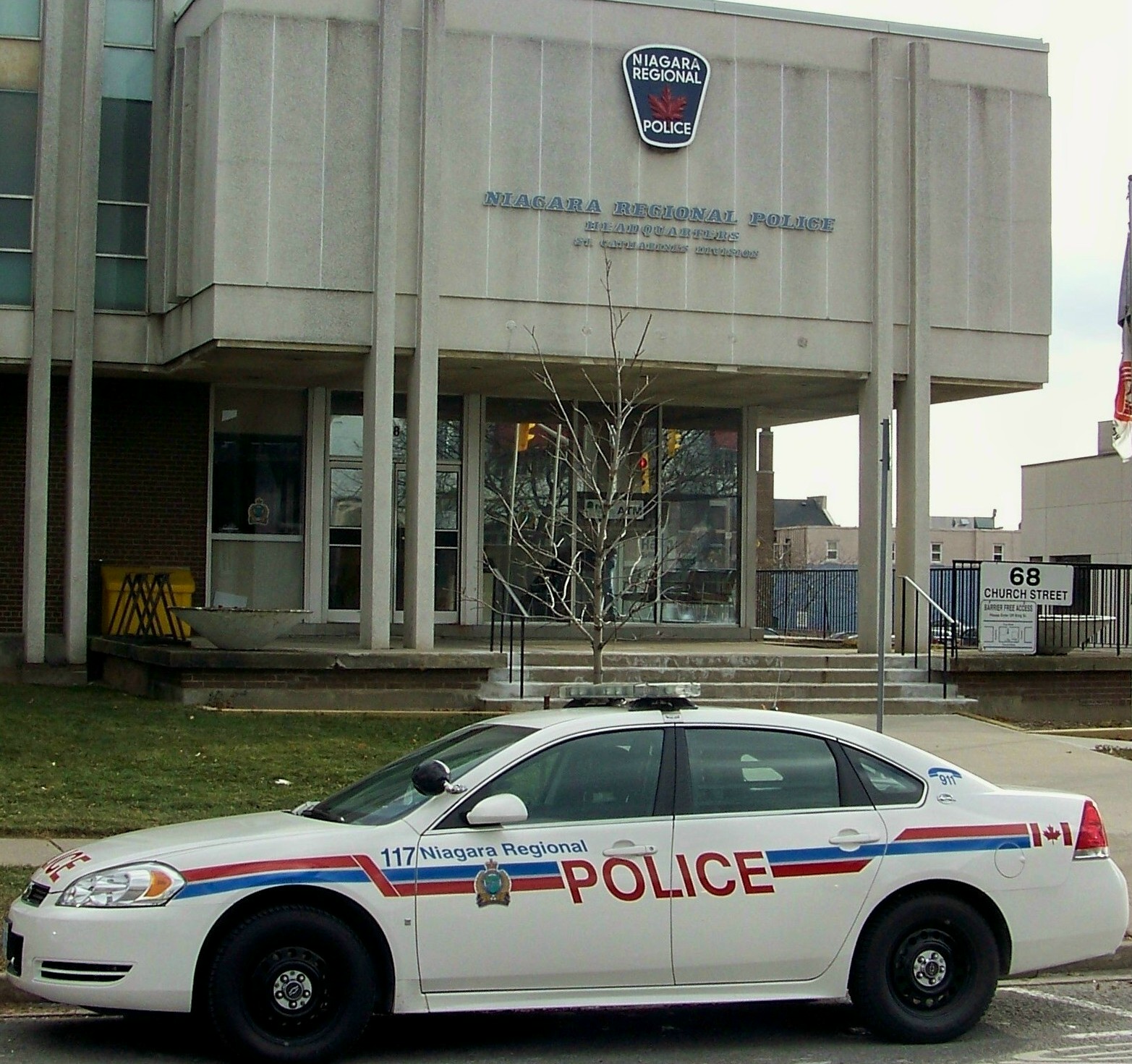
The Ontario Police Arbitration Commission, which has powers under the province’s Police Services Act, to settle contract disputes between municipalities and their police departments, has finally expressed an interest in giving a municipality’s ability to pay more consideration when demands by police unions for wage and benefit hikes come before it, said Burroughs at a February 28 regional council meeting.
The commission isn’t using the term “ability to pay” as it proposes to change the way it handles disputes coming before it, added Burroughs. It is proposing the term “capacity to pay based on fiscal health,” but it appears the commission is on the verge of “really taking a bold step forward” and one that, unfortunately, the current Ontario government may not approve.
“The government want to keep (the arbitration process) the way it is,” said Burroughs, so Niagara’s regional government and other municipal councils that have been lobbying years now for more consideration of their taxpaying citizens’ ability to pay higher salaries and benefits “have to speak out” soon because the matter may be decided in a matter of weeks.
A number of Niagara regional councils have raised concerns about the fairness of the province’s arbitration process as the police board has continued to come forward, year after year, with budget increases amounting to more than two or three per cent, and sometimes higher than five per cent. The arbitration commission has often approved the increases asked for by police services in Niagara and other parts of the province, when during years when finances have been tight for municipal services, and some services and staff have had to live with cuts or freezes.
In Niagara, the annual operation budget for the Niagara Regional Police Services is now about $125 million and makes up more than one third of the entire operating budget totaling about $303 million this year – for all regional services, including public health, roads, waste management and a host of other services, for the all of Niagara.
Some regional councillors have openly called the size of the police budget and the increases asked for each year “unsustainable” for taxpayers in a Niagara that is facing high unemployment and a host of other economic challenges.
(Niagara At Large encourages all visitors to this site to share their views on this post or any other posts NAL has posted. Divergent views are most welcome in the spirit of NAL’s goal to operate as a virtual town hall for discussing and debating issues of interest and concern to our communities and countries across the greater Niagara region and beyond.)
 Niagara At Large
Does this mean there might be light at the end of the tunnel? Let;’s hope so. Surely, anybody with common sense can realize people working in Toronto, where there is a substantially higher cost of living, require higher wages than people from Niagara, particularly from Port Colborne, Welland, Wainfleet and Fort Erie. Then factor in high unemployment and lower average wages and we should realize wages should be adjusted
LikeLike
The wages and benefits that our police receive are so out of touch with what the average tax payer makes, and it is up their with doctors, engineers and lawyers, and they don’t even have the university degrees or credentials that justify the wages that they get., some even supplement their money with illegal activities.a cap on their wages need to be in place. ASAP.
LikeLike
Pat
A few years ago there was talk about bringing in the OPP or the Mounties and it seems like a good idea to at least investigate the cost factor Mr. Burroughs.
If the NRP know they can be replaced they are less likely to want or correction, demand a Taj Mahal be built and considering other factors that just might put a positive spin on change. The number of NRP personnel being charged with criminal offenses is growing out of proportion to the numbers and it is obvious something is wrong when so many citizens lose faith in the people who we hire to protect us.. Yes I realize it is a small percentage BUT any percent is too much.
LikeLike
It’s about freakin time!!!!! While I feel that police officers who are exposed to dangerous work conditions (example: JANE/FINCH) should be compensated accordingly, the bulk of their activities are traffic rule enforement (Seatbelts and traffic control being the biggest). You ever wonder why those statistics are never published. How many times have you seen an officer attending a construction site or walking around a local festival. I know the Peach festival is known for its gunplay, but I counted 5 cops there last year basically just milling about.
I suggest that the base top rate for a constable should be $55k. Then on top of that if they make calls that are dangerous (like a firearms response), they get an hourly danger premium. This is what would happen in the private sector.
True STORY: ever read the Lewiston NY paper. All the calls the police make are published in the form of a report. WHY? So the tax payer knows exactly what they are up to. Ever wonder why the size and budget of that police force when compared to a comparable municipality like Grimsby is a fraction. Because of that level of accountability.
What do our soldiers make? Not as much a police officer. What do the crossing guards who are responsible for the safety of our children make? Not as much as a police officer!
These are some of the reasons that unions have to be removed from the public service sector. They take advantage of weak politically motivated politicians who bow to their every demand. There is zero accountability and
I do not expect that Wynn will be any different from COMRADE McSquinty and will get on her knees for these malcontents. She needs the votes and the only way the Liberals know how to win an election is by selling the farm!
Just sayin……
LikeLike
In absolute terms, Police and Fire for that matter, are now extremely well paid for what they do. Consequently, their wages should not and cannot exceed what municipalities negotiate with their other employees who have the right to strike. If regular municipal workers negotiate a 0% increase, then that is all Police and Fire for that matter should legally be entitled to be awarded by an arbitrator in that municipality. That is the best and most objective indicator of the financial health of the employer and what would have occurred in ‘free collective bargaining’ (which is what the arbitration system is theoretically supposed to do). Its time to control through legislation what arbitrators can award. Currently arbitrators are far too adept at ignoring ‘considerations’ if favour of awarding ‘replication’ Police agreements from other municipalities that bear no relationship to the financial situation of the municipality they are dealing with. Spending too much time expecting arbitrators to get serious about ‘considerations’ is simply doing the same thing over and expecting different results. It won’t work.
LikeLike
I have read in the US news that soldiers fighting in Iraq and Afghanistan are so poorly paid that their families have to resort to food stamps to survive,and many marriages are collapsing as they are sent overseas for the third or fourth time, While we lavish fat pay cheques on our police and benefits that could choke a horse.on people with education levels just above high school.What is wrong with this picture.???
LikeLike