
By Brigitte Bonner
The loss of the Fort Erie Slot facilities is a very unfortunate and upsetting event. But, grouping this recent decision by the Ontario Government with the designation of wetlands, as was evidenced on a sign in front of Fort Erie Town Hall several weeks ago, is a definite mistake.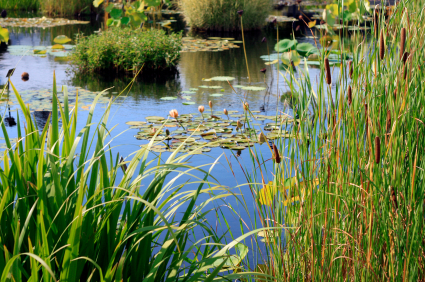
The designation of Provincially Significant Wetlands (PSWs) is not an arbitrary decision that the government has made in the same way as the decision to close the slots facility. Wetlands are important ecological areas that are not only essential for wildlife, but also for us—human beings. The fact that the wetlands have been designated as “Provincially Significant” means that they provide essential ecological benefits to sustain life. Yes, it is frustrating that many of the wetlands are in areas close to the major traffic routes which are ideal for industrial growth. But unfortunately these lands cannot be destroyed and built upon without devastating effects.
We need to think about this issue rationally. Fort Erie is a waterfront community, surrounded by water on two sides – Lake Erie and the Niagara River. It only stands to reason that we would have significant wetland areas in our community that are essential to the sustenance of life. These lands cannot be built upon without serious and perhaps deadly consequences to our community.
Wetlands have many essential functions, one of them being the control of flooding by providing an area to absorb extra water. Many communities around the world are suffering consequences because they have drained and built on their wetlands. When water levels rise, millions of dollars worth of infrastructure is washed away and destroyed because floodwaters have nowhere else to go. On top of this lives are lost. Do we really want to jeopardize our waterfront community and the safety of our residents, especially when we know that global warming is occurring and water levels around the globe are on the rise?
Controlling flooding is only one of the many benefits we reap from wetlands. They also filter the water we drink, removing harmful elements. As we know, raw sewage is routinely deposited into our lakes when conditions make this necessary. Destroying the water purifying wetlands will only make our risk of disease from contaminated water even higher. Is this another risk that we should be taking?
The fresh water of the Great Lakes is not only important to the surrounding communities such as ours, but they are also globally significant. Water is essential to all life and fresh drinking water is becoming more important as worldwide populations grow. Are we really wise to risk damaging such a vital global resource, one that we cannot live without?
In addition to the benefits wetlands provide to humans, we must also respect the importance they have to wildlife. These are often the richest areas of biodiversity and contain many species which may be eradicated if the wetlands are destroyed. We have an obligation to respect fellow life forms. Our destructive and selfish nature is no longer sustainable. We must live in harmony with other creatures who share this planet no matter how small and insignificant they may seem to some.
Recently, the Town of Fort Erie took part in a co-operative arrangement between its drainage department, the Department of Fisheries and Oceans and several other partners including the Friends of Fort Erie Creeks and private land owners. The purpose of the project was to see if drainage work could be done in Beaver Creek without harming the Grass Pickerel, a species of fish that lives in Beaver Creek and is currently at risk. The project was successful in allowing the necessary drainage work to be done while at the same time protecting the Pickerel. Co-operative projects such as these provide a win-win situation and must become the norm.
In the case of Fort Erie’s wetlands, we must look at alternative areas for industrial and economic growth rather than destroying these rich ecosystems. There are several brown field areas that housed former factories sitting empty and desolate. These locations would be ideal for growth and have the added benefit of being cleaned of harmful toxins in the process.
The lands which house the former Welcome Center and the many acres adjoined to it would also be ideal, as they sit directly beside the Queen Elizabeth Highway and are a stone’s throw from the U.S. border. And, if the racetrack does eventually close, why not use these lands and promote them as Fort Erie’s industrial zone? The location is ideal and the lands have already been cleared and serviced. Does it not make more sense to re-use defunct areas, rather than to destroy lush habitats of PSWs while leaving the other areas sitting empty?
In our eagerness to stimulate the economy we often forget that we humans cannot exist without a healthy environment.
These are difficult times for everyone. My family has not been immune. But, times will be much more difficult for our children and grandchildren if we do not make some wise choices now. Provincially Significant Wetlands need to remain protected and untouched.
Brigitte Bonner is a resident of Fort Erie, Ontario, a retired teacher and former member of the Fort Erie Tree Bylaw Committee, Fort Erie Friendship Trail Committee, Fort Erie Environmental Advisory Committee and Bert Miller Nature Club. She is currently a member of the Fort Erie Conservation Club.
(Niagara At Large invites our readers to comment on this post. Remember that NAL only posts comments from individuals who are also willing to share their real first and last names.)
 Niagara At Large
Excellent article Brigitte.
Before the British conquest of French Canada in 1759, there were maps of their 13 colonies with Lakes Erie and Ontario in the top left corner. They used the 3-fingered symbol for marsh, which showed that they clearly knew our wetland terrain, even though they didn’t govern the area at that time.
After “the War of the American Secession”, the Loyalists came north and began to drain these marshlands to enable farming. Scholfield’s Ditch in Port Colborne is also called Eagle Marsh Drain. Imagine, there were once EAGLES in Wainfleet, Humberstone & Bertie Townships! (Ironically, a bald eagle has been seen nesting on Inco lands this spring 2012, the first in many years.)
Let’s hope that Fort Erie can continue this attitude of co-operation with provincial & federal environmental Ministries, rather than fight for development in the wrong places.
LikeLike
I read both the articles -or article and Lorne’s comment but it was my understanding that the BlackCreek Liesure Parks is already- or is adjacent to wetland? For purely selfish reasons and ,also knowing that many of our residents want to continue living here, many reasons force them to relocate to other communities but most would much rather remain here with their friends, join in the many stimulating activites-fun and games,dances and luncheons. It would take me pages to list all the benfits of being able to move to a duplex, or a triplex- or a smaller town house facility? We would not have to make adjustment that are extremely stressful for myself and other of my friends who are 90- (already 5) and many who will attain that gifted age sooner than we ever imagine possible. Some explain this longevity to the WATER-isn’t that ironic Ha ha or boo-hoo? Can Parkbridge come up with a solution, ? They know they are losing super great supporters!!!. Can the Town of Fort Erie help this apparently impossible problem? or-now,( searching for the politically correct words) -Would the Government be able to help? but then again-the questions -Which government ,which branch of the government, regional? Obviously voting hasn’t helped in the last local election. Please supply succinct and salient comments to my plea for what you feel would be a logical, rational solution if one could be implemented -considering the wetland dilemma. I must give credit where credit is due- Anne Marie Hudak and Stella Ziff were sterling examples of GREAT Ward 6 alderwomen and there may well have been others that I can’t recall. Frustratedly posted.
LikeLike
I would like to share a wetlands project while not in Niagara is taking place in nearby Norfolk County. It is the Long Point Causeway Improvement Project, see link http://longpointcauseway.com/
In a nutshell the project is about constructing three eco passages under the causeway portion of Hwy. 59 that connects Long Point to the mainland. The road is hazardous to migrating animals between the inner bay and the massive Big Creek marsh, while restricting the ebb and flow of water into the marsh as well. After massive fundraising efforts and lobbying upper tiers of government the project is now at the environmental assessment stage. Two groups spoke against the virtually ready project moving forward, some local cavemen (Citizens Against Virtually Everything) and ironically the Ministry of Natural Resources.
The MNR’s concern is the timing of the project- meaning that if the project begins this spring it may harm or have a negative impact on migrating species. They want it to begin in late fall when construction has less of an impact. The problem is studies have indicated that the ongoing roadkill occurrences could easily exceed the negative impact of construction. The other consideration is a fall start could easily be disrupted by an early winter/inclement weather.
These projects can become complicated with different government agencies involved with varying agendas and responsibilities, especially from our side of things- no money and good intentions. Kudos to all those who work on preserving our natural heritage.
.
LikeLike
Thanks for your comments John. It is interesting to know that such projects are happening.
LikeLike
In regards to the comment and questions from Doris, I am afraid that I am not familiar with the issue at Black Creek Leisure Park.
LikeLike
Where would one go to find out why Parkbridge cannot build or develop the 15 hectares they already own that borders or is adjacent to their existing property?
LikeLike