
By Doug Draper
Ontario’s Liberal government is planning to change the way it funds many of the province’s hospitals in an effort to improve patient care.
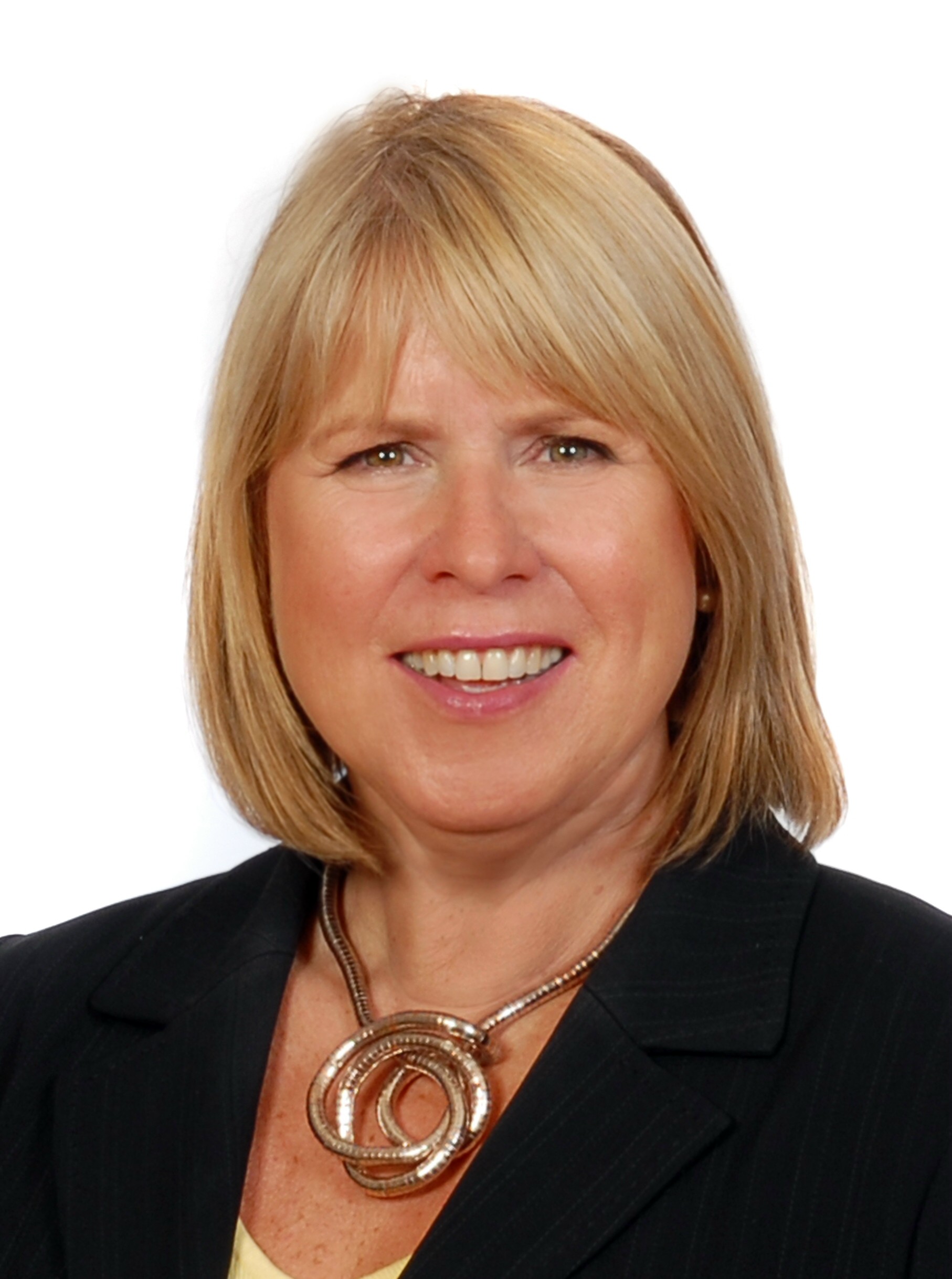
Ontario Health Minister Deb Matthews
A total of 91 hospitals across the province, including all the hospitals still operating in the Niagara region (those in St. Catharines, Niagara Falls, Welland and Grimsby/West Lincoln), will be included in this new “patient-based funding model” to be phased in over the next three years, according to an announcement and background information released this March 19 by the Ontario Ministry of Health and Long-Term Care.
“Our current funding model for hospitals is out of date and doesn’t reflect the needs of the communities they serve,” said Ontario Health Minister Deb Matthews as news of the funding changes were being circulated. “As part of our Action Plan we are implementing a system that funds hospitals to increase services where needed, deliver quality care more efficiently and serve more patients.”
Later, in an interview on CBC Radio, Matthews said the new model is not about saving money, but about “shifting” the way money is spent on care.
Mark Rochon, the interim CEO for the Ontario Hospital Association representing the Niagara Health System and other hospital boards across the province, had this to say about the funding change; “The Ontario Hospital Association has been a long-time supporter of patient-based payment because it has tremendous potential to align hospital funding with positive patient outcomes.”
According to the information circulated by the health ministry this March 19; “Ontario is making changes to the way it funds hospitals to ensure families get access to the right health care, at the right time and in the right place.”
“The new patient-based funding model,” adds the ministry, “will see hospitals funded based on how many patients they see, the services they deliver, the quality of those services and other specific community needs. Currently, hospitals get a lump sum based on their previous year’s budget with no link to the type or quality of care they provide.”
“Working in partnership with hospitals, Ontario will phase in the new patient-based funding model over the next three years. The new model will also provide a better return for taxpayer dollars and result in:
- Shorter wait times and better access to care in their communities
- More services, where they are needed
- Better quality care with less variation between hospitals.”
Allowing health care funding to follow the patient instead of the hospital is part of the McGuinty government’s Action Plan for Health Care and builds upon the significant progress that has been made in improving Ontario’s health care system since 2003.
QUICK FACTS
91 hospitals are transitioning to the patient-based funding model.
- 55 small hospitals will be excluded from the new model to recognize the unique role they play within their communities. (No hospitals from Niagara are on this list of 55. The closest hospitals to this area that fall on this list are sites in Dunnville and Hagersville.)
- Other jurisdictions have been using this type of funding model and have shown benefits such as decreased wait times and a higher number of procedures. Sweden adopted a similar model in 1992, England in 2003 and British Columbia and Alberta in 2010.
For more information call the ServiceOntario, INFOline at 1-866-532-3161 (Toll-free in Ontario only) Click on http://www.health.gov.on.ca/en/ms/ecfa/healthy_change/ for information on the provincial government’s “Action Plan for Health Care.”
Niagara At Large is also posting the following Backgrounder from the ministry for our readers information.
Backgrounder – Patient-Based Funding For Hospitals
Hospitals currently receive one lump-sum payment called a global budget, which is based on a hospital’s previous budget, instead of on a hospital’s performance. There are significant disadvantages to this funding model, including differences in the quality of care, how much a procedure costs at each institution, patient outcomes and specific community needs such as population growth.
The new patient-based funding model would fund patients instead of the institutions, meaning families get the right health care, at the right time, in the right place. The new model is also more cost effective. There are two main components to patient-based funding.
Health-Based Allocation Model
Health-Based Allocation Model is an evidence-based funding method that takes into consideration the population and clinical needs of the communities served by a hospital.
Population information includes age, gender and growth projections, as well as socio-economic status and geography. Clinical information measures how many complex patients are receiving care and the types of care being provided to the community.
For example, hospitals that serve growing and more clinically complex communities will see an increase in their funding over time.
Quality-Based Procedures
Health care providers will receive funding for the number of patients they treat for select procedures, using standard rates that are adjusted for each procedure. Ontario will establish prices for hospital services based on efficiency and best practices.
Starting in April, Quality-Based Procedures will include:
- Hip replacement
- Knee replacement
- Dialysis and other treatments for chronic kidney diseases
- Cataract surgery
Other quality-based procedures will be added over time.
Global budgets will still be in place for activities that cannot be modeled. Small hospitals and forensic mental health services will continue to be funded through global budgets.
Educational materials, toolkits and other supports are being made available to all hospital administrators. All hospitals will be informed of their new patient-based funding levels over the next few weeks.
(Niagara At Large invites you to share your views on this post in the comment boxes below. Please remember that NAL does not post anonymous comments or comments by people using pseudonyms. Only comments attached to real names are posted on this site.)
 Niagara At Large
This doesn’t sound good for Niagara!
LikeLike
Sounds like the same old, same old. They have been telling us health care is all about the right care at the right time at the right place all the while they were busy closing down Port Colborne and Fort Erie’s acute hospital and converting them into nursing homes. Looks like we all have to move to St. Catharines if we want to get any acute or emergency care.
LikeLike
OMG Dumb & Dumber at it again – another Ehealth or Ornge coming up
LikeLike
The usual pile of manure from Deb Mathews.
LikeLike
Well I’m probably not aware of all the problems with the new system but it sounds like a big improvement. Great article.
LikeLike
Step two in destroying the system to make way for privatization.
LikeLike
As long as the money is still funneled through the LHINs, we are SCREWED!
LikeLike
It sounds like Deb Mathews has suffered a recent epiphany on the road to Damascus or perhaps she has succumbed to the rigors of public outrage or that the Liberals have come to the realization that the public has lost faith in their generally implausible oratory.
So, when did Deb Mathews and her Ontario Health Ministry finally come to the conclusion that; “Our current funding model for hospitals is out of date and doesn’t reflect the needs of the communities they serve?”
She says: the McGuinty government’s Action Plan for Health Care builds upon the significant progress that has been made in improving Ontario’s health care system since 2003. Then she says that the ‘NEW’ strategy will be phased in over the next THREE (3) YEARS!
Dear health minister, WHAT’S THE RUSH? After all you said that many jurisdictions have already implemented the very systems that will take your government another THREE (3) YEARS? Please assure us that this additional THREE YEARS has not been designed simply to take us beyond the next election?
As much as I applaud the sound of the rhetoric we’re hearing now, my comments of an epiphany are predicated on the fact that none of this ‘new’ rhetoric was forthcoming at the time Niagara citizens were suffering under the NHS under the new fall guy known as NHIN offering additional protection for the government. The Ontario Government left Niagara with no one to turn to when we were faced with ruinous decisions, the astonishing buyouts, diminished service, conflict of interest, deaths by the dozens, and I might add, with absolutely no visible support from our MPP Jim Bradley.
In actual fact, the only thing we have received is blarney designed to appease the population instead of a proper investigation or even a forensic audit.
There is one thing that our Health minister has done for us with her statement that; ‘Our current funding model for hospitals is out of date and doesn’t reflect the needs of the communities they serve,’ is vindication regarding our opinion that our health care has been mismanaged.
Her speech at the Toronto Board of Trade coupled with her banter in the Ontario legislature inadvertently illustrates how far out of touch her government is. They are not only out of touch; they have harmed, through their inability to govern, everything they do touch.
No wonder they refuse to give their citizens a recall mechanism!
LikeLike
This funding model discriminates against small local hospitals; because they don’t serve a large urban population, they can’t compete in terms of numbers of patients served. And patient outcomes are only going to get worse as front-line staff are cut to save money. Interesting to note that Niagara doesn’t get exempted from the new funding formula, despite the fact that Port Colborne and the Douglas Memorial were once given special consideration because they met the designation of “rural” hospitals. That’s the price of amalgamation (into the Niagara Health System), and the reworking of those designations in this MOHLTC’s 2010 framework on Rural and Northern Hospital Services. Thanks again, Deb. We sure owe you a lot.
Note to (Niagara Health System supervisor) Kevin Smith: your boss isn’t leaving you much leeway, is she?
LikeLike
ALERT: CBC’s Market Place is presenting a critique on Canadian Health Care Friday at 8PM.
It may be worth watching!
LikeLike