
(NIAGARA At Large is posting the following media release from Niagara, Ontario’s regional government on the passage of a 2012 budget that will see a $41 increase on the regional portion of property taxes across the region.)
NIAGARA REGION, Dec. 2, 2011– Niagara Regional Council approved their 2012 budget last night with a focus on both affordability and sustainability. Residents will see an increase of 3.14 per cent in Regional taxes this year, after Council passed its 2012 net operating budget of $294.5 million and capital budget of $149 million.
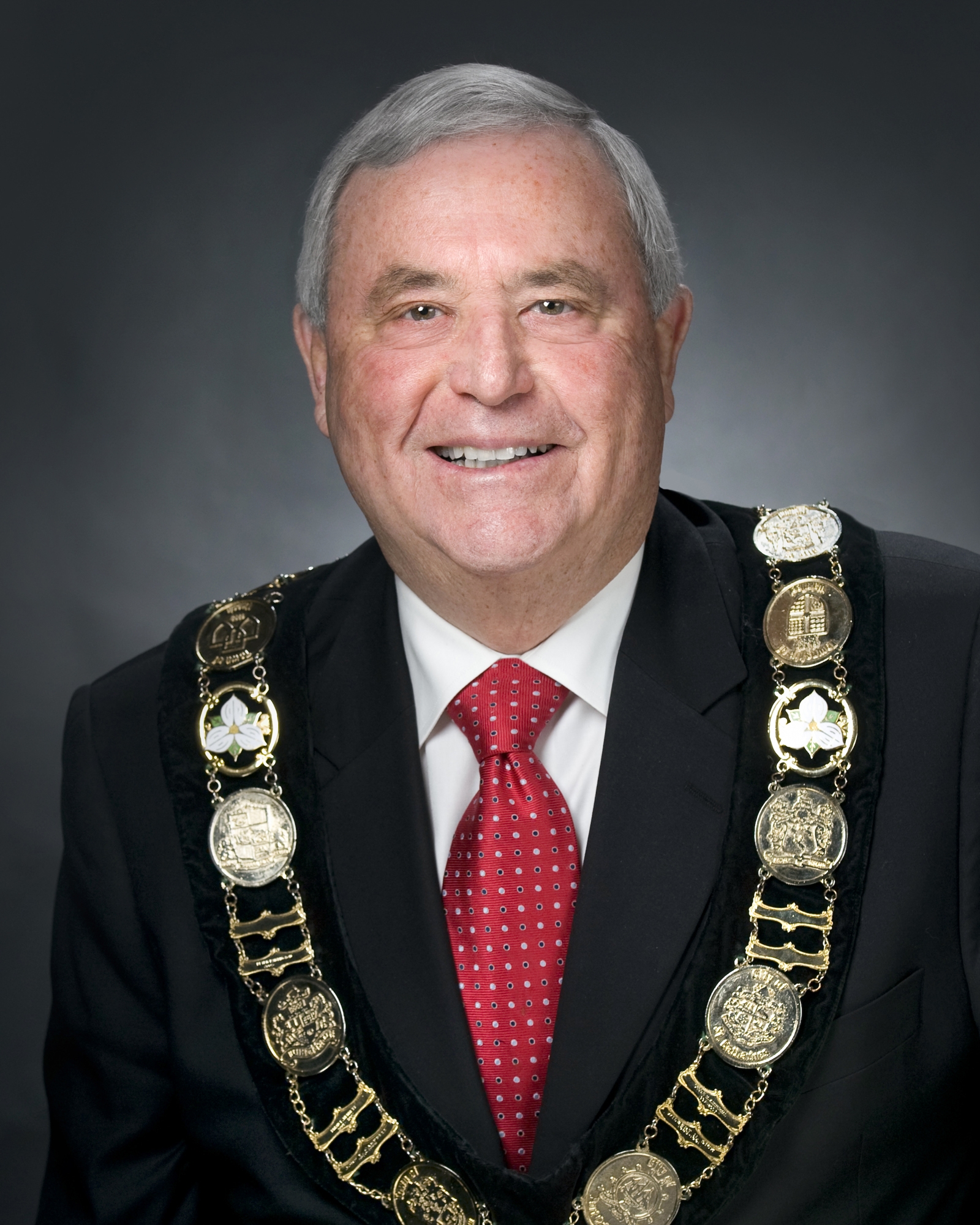
Niagara Regional Chair Gary Burroughs - a budget for a "critical time."
On average, a homeowner with a 2011 property assessment of $219,732 will pay about $1,360 for Regional services; an increase of approximately $41 from the 2011 tax levy.
The proposed water budget will see a 0.02 per cent increase, wastewater a 4.3 per cent increase and waste management will see a 0.24 per cent increase. The combined water and wastewater household impact for 2012 is an average increase of $14. The waste management impact per household is an average decrease of $2 per household. These impacts vary based on the municipality you live in.
“Regional Council and staff have done a good job of balancing taxpayer affordability with sustainable planning in the 2012 Regional budget,” said Regional Chair Gary Burroughs. “It is a critical time for our region and we must do everything we can to achieve a balance between protecting the programs and services that residents have come to rely upon while ensuring we can afford to pay for them. It is also important that Niagara Region has a continued sustainable financial plan in order to support our affordability efforts both now and in the future,” concluded Burroughs.
“Over the past five years Niagara Region has had an average 0.44 per cent annual tax increase; we’ve done a good job of holding the line on tax increases,” said Councillor Dave Augustyn, Chair of the Budget Review Committee of the Whole. “We must now balance that affordability strategy with a fiscally sustainable one, so that we can continue to provide the services residents rely on into the future. This means finding ways to be more effective and efficient. To address this, the Region is launching a Responsive Region Improvement Team which will look at ways to increase efficiencies in the organization,” concluded Augustyn.
This year’s budget incorporates a number of initiatives and services designed to improve the responsiveness and effectiveness of the Region and support Regional Council’s four-year business plan. Among them are investments in key areas, such as: Inter-municipal transit.
• Supporting on-going affordability initiatives through the Responsive Region Improvement Team, concentrating on process improvements
• Funding a new economic development model that will support business growth and job creation to address the 41 per cent increase in social assistance caseloads
• Increased funding for Smarter Niagara Incentive Programs from $750,000 to
$1 million; to support sustainable community development by leveraging private sector investment
• Supporting the recent Cultural Capital of Canada designation, leveraging
$1.6 million in federal grants to support arts and culture
• Investing $56 million in water and wastewater treatment, transmission and collection infrastructure
• Investing $37 million in Regional road rehabilitation
• Expanding waste management diversion initiatives, including the public space recycling and multi-residential organics programs
• Funding to community services, supporting an average of 77,228 clients a day: social assistance for over 18,000 adults and children, over 15,000 Ontario Disability Support Program cases, 9,500 clients served as part of the homeless program, 9,000 children as part of children’s services programs, 1,500 clients served in long-term care facilities, and over 4,000 in community programs
• On-going funding for public health initiatives: education for over 4,000 families in the new babies program, dental health screenings for over 22,000 children, mental health programs helping over 17,000 clients, thousands of food and tobacco control inspections per year, answering over 4,000 calls on the Parent Talk line, and responding to over 72,000 emergency medical service (ambulance) calls per year
Niagara Region’s budget has three components: the operating budget, the capital budget and the rates programs. The operating budget pays for the daily business of the Niagara Region and its boards and agencies.
This budget pays for wages, supplies, programs, services and repayment of debt for major projects. Tax dollars and income from fees and service charges, with support from provincial and/or federal sources, fund the operating budget. The capital budget is the annual plan for the purchase of capital assets, such as: roads, water treatment plants, sewers, buildings, machinery and equipment. Rates programs include such things as; water, wastewater and waste management and are what we charge depending on where you live.
Visit www.niagararegion.ca for more information.
Join Niagara’s regional government on Facebook, Twitter and YouTube. Visit the regionial government at www.niagararegion.ca .
An NAL footnote – This media release does not mention that the regional council voted against giving itself a pay raise this year.
(Niagara At Large invites you to share your views on the contents of this this post below.)
 Niagara At Large
A 50% reduction in regional council would eliminate the need for a tax increase – much better solution I think
LikeLike