
News from the Ohio Environmental Council
(A Brief Foreword to this post from NAL publisher Doug Draper – This news may be coming from environmentalists based in the State of Ohio but what they are trying to do is vitally important to the quality of life of people living in the Greater Niagara Region, including Niagara, Ontario and the Buffalo, New York area.
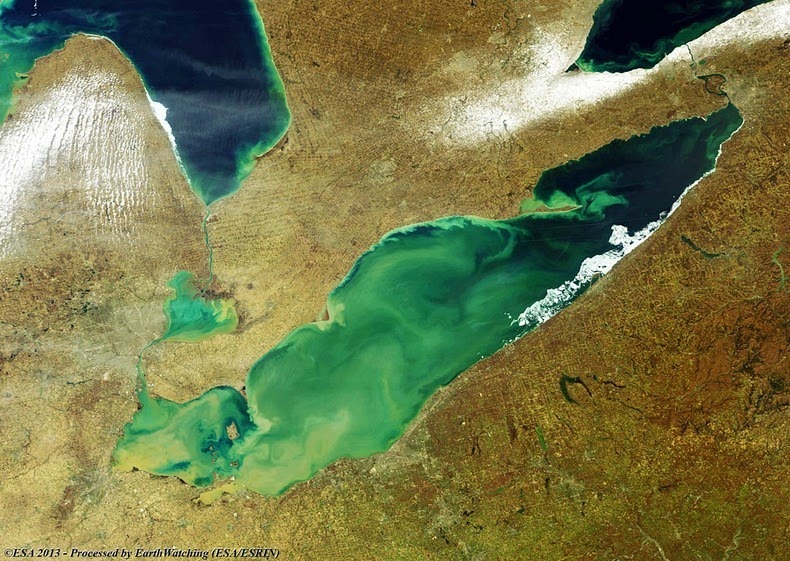
A look of the growing bloom of harmful algae in Lake Erie from space
It is vitally important because for a number of years, Lake Erie waters have hosted a dangerous form of algae that last year poisoned waters in western reaches of the lake to a point where the drinking water supply of Toledo, Ohio had to be shut down. Scientists are concerned that this algae – largely a product of contaminated runoff from farmlands – could grow and pose a similar threat to water supplies further downstream.
And of course, the waters of Lake Erie are an upstream source of drinking water for hundreds of thousands of residents in the Niagara/Buffalo area. Yet, on the Ontario side of the lake, there is little evidence that the federal and provincial governments are taking this issue seriously and regional bodies like the Niagara Peninsula Conservation Authority have seen their environmental protection forces castrated by the boards and administrators that run them.)
So on this one, we ought to thank our American neighbours for talking a Great Lakes pollution problem that could have a profound impact on all of us more seriously than bodies on the Ontario side of the lakes do.)
Columbus, Ohio, October 22, 2015 – More than one year after a harmful algal bloom in western Lake Erie poisoned the drinking water for more than 400,000 Toledo-area residents, advocates for the lake are asking the U.S. Environmental Protection Agency to put in place a pollution diet for western Lake Erie to prevent future outbreaks.
The groups are asking the EPA to declare western Lake Erie as “impaired,” a designation under the Clean Water Act to limit algal-bloom-causing pollution into the Lake.
The call for action comes following the refusal of both the Ohio EPA and U.S. EPA to apply tools under the Clean Water Act to help improve the health of western Lake Erie, despite the re-occurrence over the last decade of harmful algal blooms that have poisoned drinking water, closed beaches, and hurt other recreational uses such as fishing.
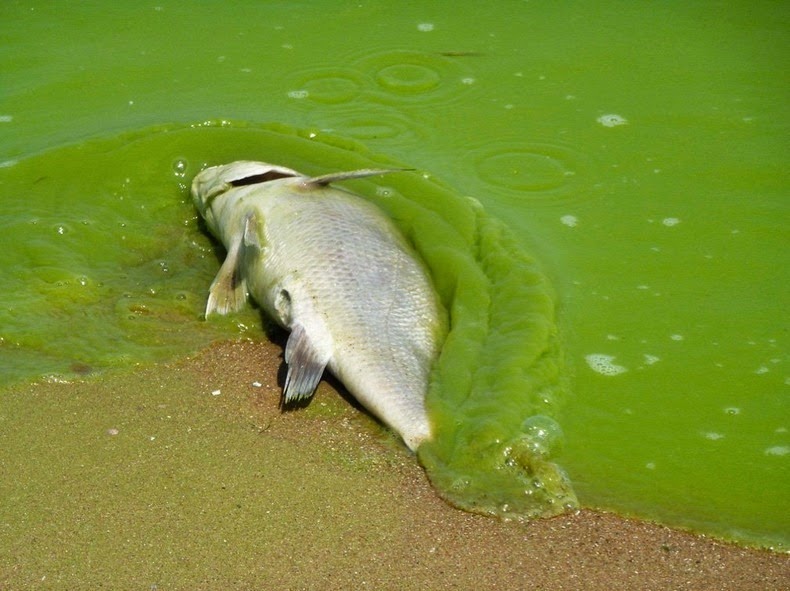
The algae poses a major threat to fish populations in the lake by consuming oxygen fish need to survive.
“EPA has failed in its duty to protect Lake Erie and the people and wildlife which depend upon it,” wrote conservation groups in a letter sent today to U.S. EPA Water Division Director Tinka Hyde. The letter continues: “Waiting yet even longer for the designation of declaring the western basin of Lake Erie ‘Impaired’… is unacceptable.”
Read the letter at: http://bit.ly/1RqnR4Q
Listing a water body as “impaired” under the Clean Water Act triggers an assessment to determine where pollutants are coming from and in what amounts—information that is then used to create a pollution diet to help restore water quality. The onus is on the states to follow the recovery steps to make sure pollution reduction goals are met.
The vexing problem of harmful algal blooms in western Lake Erie prompted the International Joint Commission, the U.S.-Canadian body responsible for advising both countries on managing and protecting the Great Lakes, in 2014 to recommend designating western Lake Erie as “impaired” under the Clean Water Act and putting it on a pollution diet to curb excessive runoff pollution that scientists say in the Number One cause of harmful algal blooms.
Runoff occurs when rain and snowmelt wash excess fertilizers and manure high in phosphorus off farm fields and into rivers, streams and ultimately inland lakes and Lake Erie, where they feed explosive algal growth that can poison drinking water, harm fish and wildlife, and hurt recreation and tourism. Runoff pollution from cities, failing septic systems, and sewage overflows also contribute to harmful algal blooms.
Using Clean Water Act tools to protect drinking water in western Lake Erie will help the region meet a commitment made in June by Ohio Gov. John Kasich, Michigan Gov. Rick Snyder and Ontario Premiere Kathleen Wynne to reduce algal-bloom-causing phosphorus in Lake Erie by 40 percent by 2025.
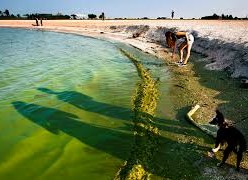
Algae swamping stretches of Lake Erie shoreline, rendering them unsuitable for bathing and often for walking due to the stench.,
Signatories to the letter include the Alliance for the Great Lakes, American Rivers, Environmental Law & Policy Center, Freshwater Future, Izaak Walton League of America, Lake Erie Waterkeepers, Lake Erie Improvement Association, Lake Erie Charter Boat Association, National Wildlife Federation, and Ohio Environmental Council.
Commenting on the letter, groups said:
“Lake Erie is sick and needs to be put on a solid recovery plan,” said Frank Szollosi, Manager of Regional Outreach Campaigns for the National Wildlife Federation. “The EPA can no longer kick the can down the road. It is a vital partner and needs to use its authority under the Clean Water Act to accelerate the recovery of Lake Erie to protect our drinking water, jobs, health, fish and wildlife, and way of life.”
“No one can dispute western Lake Erie’s drink water is impaired by toxic algae,” said Adam Rissien, Ohio Environmental Council’s Agricultural & Water Policy Director. “Proposed current reduction targets are not legally enforceable. We need firm limits on the amount of pollution allowed to enter the lake and an enforceable road map in order to adequately restore its water quality.”
“That is why we urge the US EPA to take charge and designate the western Lake Erie basin as impaired. This would establish a reliable mechanism to prevent toxic algae from threatening people’s tap water. One that would not rely on voluntary measures or be beholden to the political whims of future administrations.”
“Lake Erie is in so much trouble you can see it from space,” said Joel Brammeier, President and CEO of the Alliance for the Great Lakes. “Our water is toxic at the source, and that demands a plan that shows where pollution is coming from and whether it is being reduced every year. Only then will we know we are back on a path to safe drinking water, abundant recreation and water that supports rather than sabotages local businesses.”
“I’ve seen a 25 percent drop in revenue this season, and several people canceled their fishing trips after hearing about the lake’s toxic algae,” said Captain Paul Pacholski, President, Lake Erie Charter Boat Association. “It only takes a few hits like this to put some captains out of business.”
“Declaring the western Lake Erie waters impaired triggers a process to identify sources and amounts of harmful algae producing nutrients,” said Sandy Bihn, Lake Erie Waterkeeper. “Then there is an implementation plan that has periodic reporting requirements as well as an economic assessment of reduction options that yields investments that get the biggest algae reductions at the lowest cost. When Lake Erie recovered in the 1970’s, there was a plan and accountability – we need that now.”
Vote #YesIssue1 on November 3! Visit yesforissue1.org to learn more.
For more information on the algae bloom problem in Lake Erie click on – https://www.nwf.org/News-and-Magazines/Media-Center/News-by-Topic/Wildlife/2015/01-29-15-6-Months-after-Toledo-Drinking-Water-Crisis-Groups-Urge-Gov-Kasich-to-Curb-Harmful-Algal.aspx .
The Ohio Environmental Council was created in 1969 on the strength of individuals and continues more than 40 years later because of individuals and groups who work together to protect and restore Ohio’s natural resources and beauty.
For more information on the advocacy work of the Ohio Environmental Council visit the group’s wesbsite at http://www.ohioenvironmentalcouncil.org/ .
Visit Niagara At Large at www.niagaraatlarge.com for more news and commentary for and from the greater bi-national Niagara region.
(NOW IT IS YOUR TURN. Niagara At Large encourages you to share your views on this post. A reminder that we only post comments by individuals who share their first and last name with them.)
 Niagara At Large