
An Editorial by Dr. Anne Bell, Director of Conservation and Education, Ontario Nature
(Niagara At Large is pleased to post this editorial and encourages you to read it at a time where we have very few advocates in government left in Niagara for protecting and preserving what is left of our natural heritage. Now that the Niagara Peninsula Conservation Authority has been large hijacked by left-over Tim Hudak/Harris Conservatives and some of the most backward thinking (circa 1950s) representatives of the agriculture and house bulding/development sectors in the region.
So if you care about protecting and conserving what is left of our natural spaces in Niagara, vote for candidates at the local and regional level you know will pursue that goal and will ensure we appoint board members on the Niagara Peninsula Conservation for the next four years who are determined to pursue that goal to. – NAL publisher Doug Draper.)
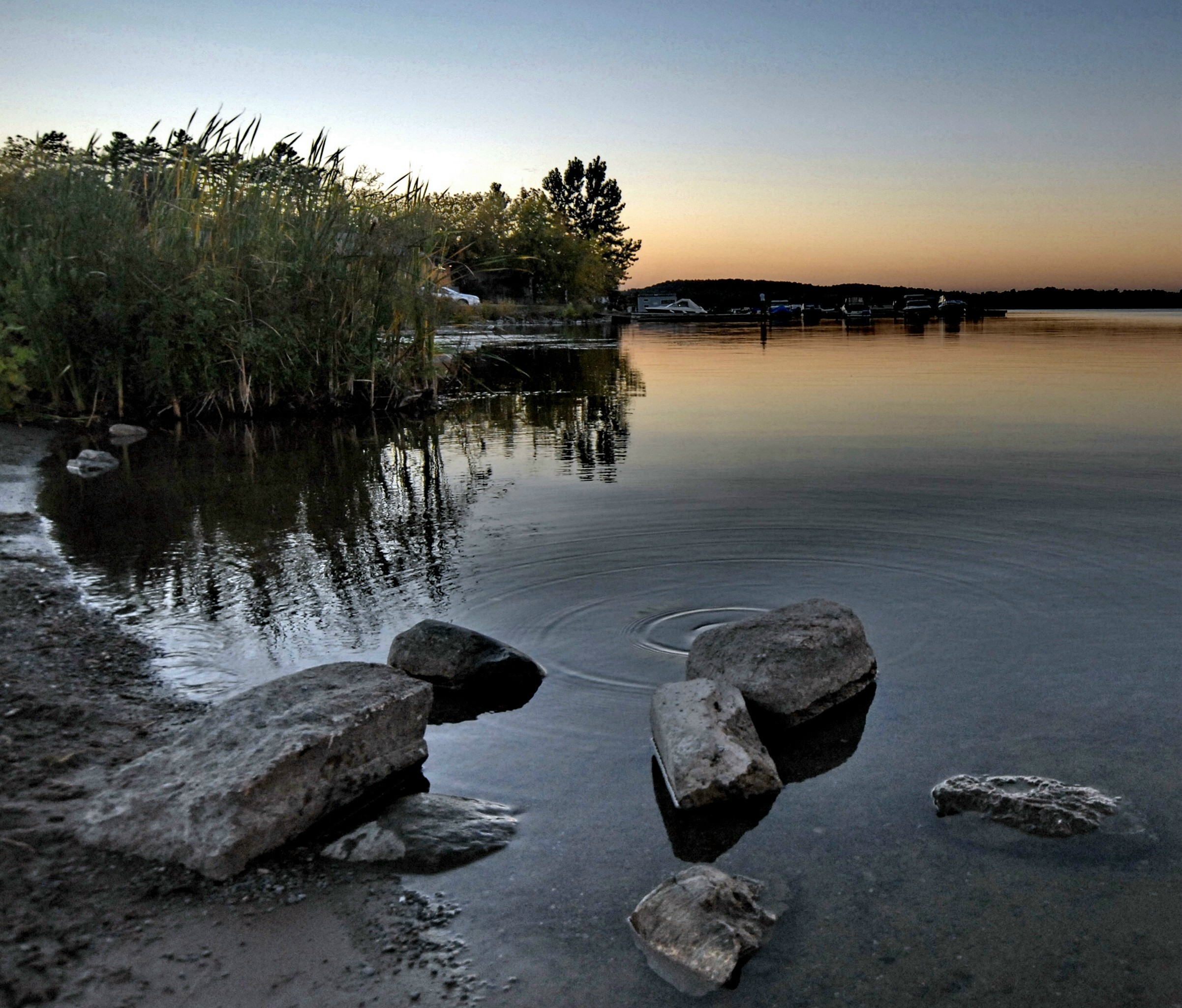
Some of our great natural landscape in this province. photo courtesy of Ontario Nature
October, 2014 – The upcoming municipal election represents an important opportunity to ensure that nature and the many benefits it provides are protected in your community.
Why should this matter to you? For starters, nature is fundamental to your health and happiness. Studies around the world have shown, beyond a doubt, that spending time in natural environments results in greater resilience to stress, increased physical activity, better mental performance and improved immune system functioning. Add to this other demonstrated benefits such as more positive social interaction, more self-acceptance, more self-discipline and a greater sense of purpose in life, and the picture becomes much clearer: access to nature in our communities is vital to our well-being. Nature is also good for the pocket book. Our woodlands, grasslands, wetlands and rivers play a critical role in purifying water, controlling floods, improving air quality, retaining soil, sequestering carbon and providing habitat for pollinators and other wildlife. These and other services are valued at over $84 billion per year in southern and eastern Ontario alone. And nature provides these services for free.
We can no longer afford to take nature’s benefits for granted, especially in the face of climate change. We have begun to witness the astronomical costs of flooding and extreme weather events in Ontario. But the problems have only just begun and we need to prepare ourselves.
Part of that preparation should include protecting natural heritage systems – core natural areas and corridors. Robust natural heritage systems help to shield us against floods, droughts and biodiversity loss, all anticipated impacts of climate change. They make us more resilient and better able to adapt.
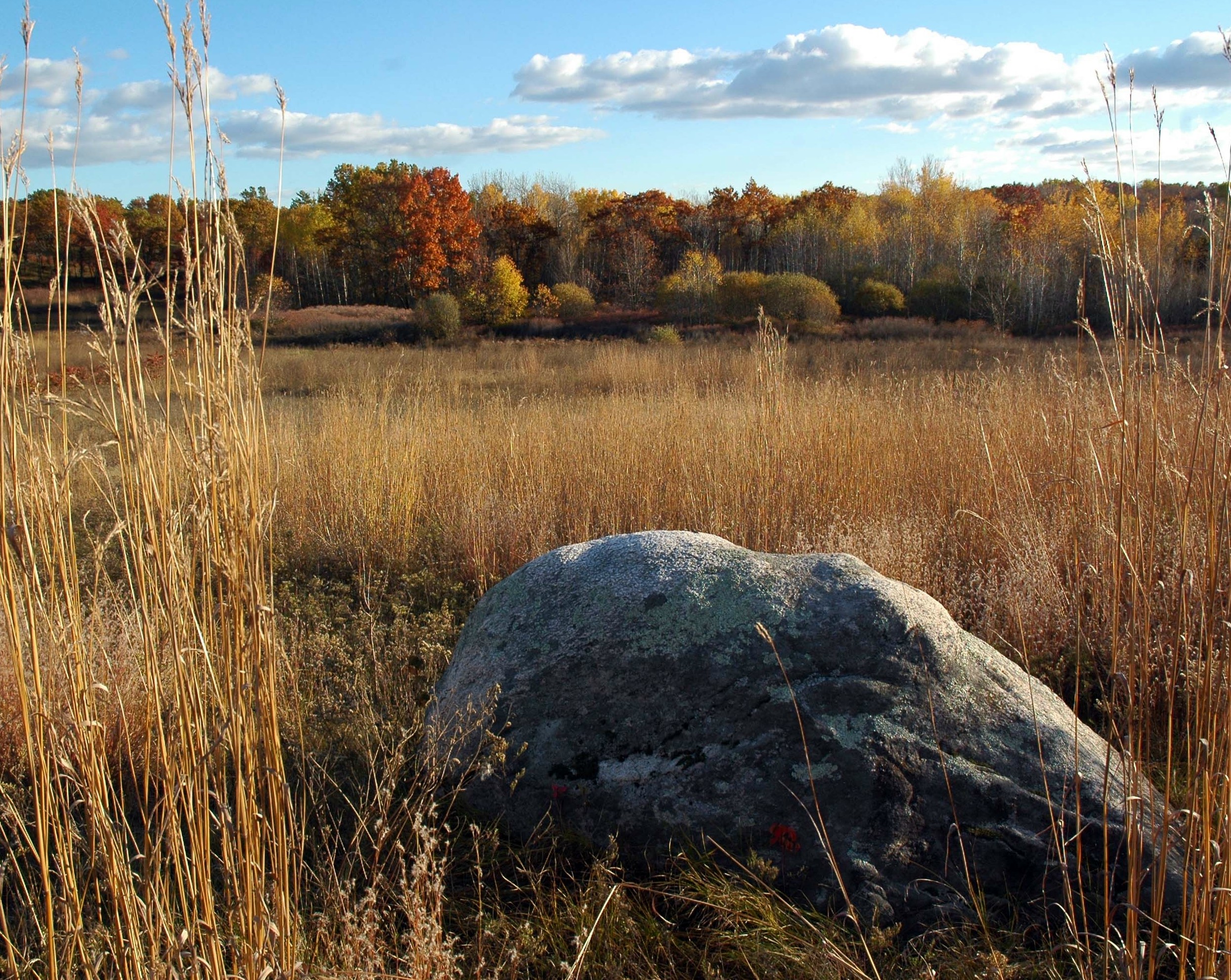
Another natural landscape photo courtesy of Ontario Nature
Identifying natural heritage systems is a provincial requirement, but it is at the municipal level where the rubber hits the road. Municipal councils determine what is included in natural heritage systems and how and where growth and ensuing development will be accommodated.
We need to elect members of council who understand the importance of protecting and restoring our natural assets. Before you go to the polls, find out who will stand up for nature in your community. Then make your vote count. Vote for a livable landscape and a healthy future where nature is truly valued as the foundation of our social and economic well-being.
Ontario Nature protects wild species and wild spaces through conservation, education and public engagement. Ontario Nature is a charitable organization representing more than 30,000 members and supporters and 150 member groups from across Ontario.Since it was established as the Federation of Ontario Naturalists in 1931, Ontario Nature has been a champion for nature in Ontario.
Learn more about Ontario Nature by clicking on its website at www.ontarionature.org .
(NOW IT IS YOUR TURN. Niagara At Large encourages you to share your views on this post. A reminder that we only post comments by individuals who share their first and last name with them.)
 Niagara At Large
Dr. Anne Bell presents very good arguments for maintaining our natural environment. I admit that I agree with her points however we must look at the other side of the coin.
As the communities grew along the Lake Ontario shore we widened the QEW. To meet current and future demands we again are looking at widening the QEW. At what cost?
Urbanization along the QEW is at the expense of the best agricultural and climate area for the growing of tender fruits (peaches). We have lost much valuable agricultural land to promote urban growth. Do we continue to promote urban growth solely at the expense of valuable agricultural land? Politicians, naturalists, and developers must look at the whole not the single issue.
LikeLike
Andy Petrowski, Niagara Regional Councilman has “stood up for nature in our community” by tirelessly speaking out against dangerous and senseless hunting in Short Hills Park. He has a record of 100% attendance at Regional Council Meetings. You can count on him to value nature and listen to the opinions of his constituents. Support Andy, support preservation of nature in the upcoming Municipal Election.
LikeLike
The aboriginal treaty right hunting in Short Hills Park is not senseless. The safety of the hunt has been ensured by the appropriate ministry but not to the satisfaction of all so additional measures might be taken during future hunts. Some property owners are conservationists and some are not. We should look at the overall record of all candidates on all social justice issues especially a “living wage”.
LikeLike