
A Submission from the Office of Ontario NDP Leader Andrea Horwath
QUEEN’S PARK – March 27, 2013 – Today the New Democrat motion to give Ontario families a break by reducing auto insurance premiums by 15 per cent passed in the legislature. NDP Leader Andrea Horwath says there’s a lot more work to do to lower rates but says today’s vote is a sign that politicians are feeling the pressure from frustrated drivers.
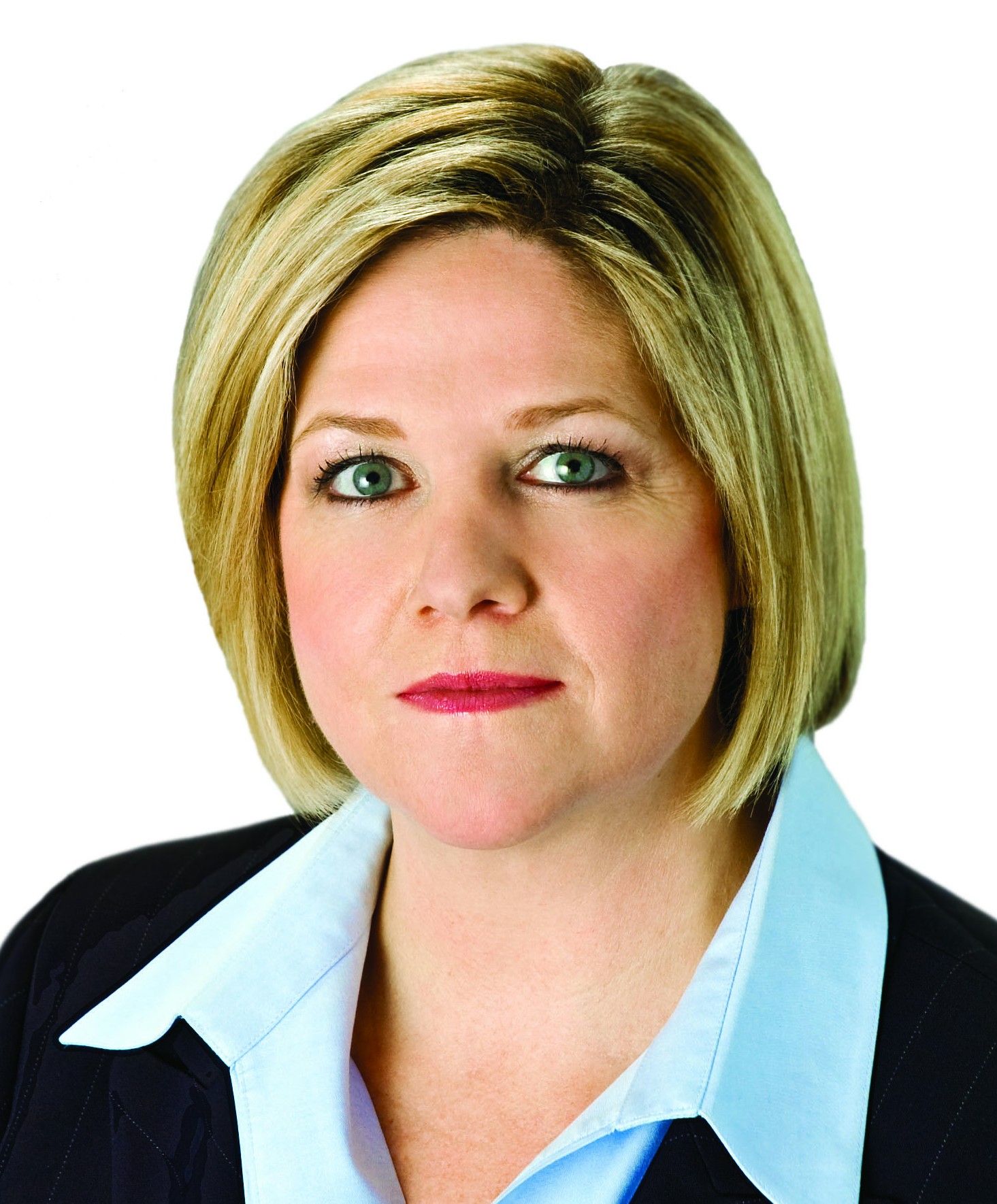
Ontario NDP Leader Andrea Horwath
“We’re hearing lots of positive talk, but now the rubber has to hit the road. Insurance companies have seen their costs reduced. Now it’s time to give the Financial Services Commission a mandate to lower rates by 15 per cent over the next year,” said Horwath.
In 2010, the Liberal government made changes to the auto insurance industry which slashed benefits paid out to accident victims by 50 per cent. These changes saved the industry $2 billion annually, yet in the past two years the premiums that auto insurance drivers pay have gone up 5 per cent. New Democrat Consumer Critic Jagmeet Singh says that’s not fair.
“Passing this motion is a positive sign, but we’re going to keep up the pressure until we see real results for Ontario families,” said Singh. “In their upcoming budget, the Liberal government needs to make life more affordable for Ontarians by ensuring real rate reductions over the next year.”
A Brief Postscript from NAL publisher Doug Draper – If you’ve been driving a car or truck in your ownership for a while, you may have noticed that most insurance companies in this province of Ontario don’t seem to mind hiking up your coverage well above the rate of inflation year after year, even if you have a good driving record.
When I’ve called representatives of auto insurance companies and complained about this, what I usually get for an excuse for screwing me with ever higher premiums again is that despite my record, there are other drivers out there who are getting in accident and accident that are costing the insurance industry money. Then I’ve been told there are also those who are taking advantage of insurance companies with false claims.
There are also those in the car body repair business who don’t mind charging a ridiculous premium for their work if they know it is an “insurance job.” If or when you go to an auto body repair shop to get your car fixed and the first thing they ask you, in so many words is if this is an insurance job, sharpen up your B.S. detector immediately and keep your hands firmly gripped on your wallet.
What I am driving at, to continue with some of the puns Andrea Horwath used in her media release, is that any legislation the NDP or any other provincial party tables should go further than simply asking for a 15 per cent reduction in auto insurance rates.
It should include provisions that allow insurance companies and the province to cut off drivers with a record of recklessness resulting in high-cost damages to their vehicles and others, not to mention the treatment of others injured in accidents, from purchasing auto insurance in Ontario. This may mean they will not be able to renew their license to drive on the road or may never be able to get a driver’s license for the rest of their lives, but to hell with them. If they want to speed or text while they are speeding, or do whatever else those results in damages or serious injuries or death to vehicles and people on the road, let them take a bus or a cab
Driving thousands-of-pounds piece of steel on the road that can maim or kill somebody should be a privilege, not a right, and it should be written into any piece of legislation on who in this province (or any other province or state) should get auto insurance and how much they should pay for it. If some hotdog rams isn’t paying attention and rams into someone else, let them pay. The rest of us should rise up and insist that we are tired of subsidizing irresponsible driving by others through ridiculously jaked-up auto insurance premiums
Why should responsible drivers go on subsidizing the damage these idiots do through higher auto insurance premiums?
Share your views on this topic below.
(Niagara At Large invites you to join in the conservation by sharing your views on the content of this post below. For reasons of transparency and promoting civil dialogue, NAL only posts comments from individuals who share their first and last name with their views.)
 Niagara At Large
I surprisingly tend to agree to a reduction in auto insurance premiums and that insurance premiums should be tied to your own driving record, as well as be pro-rated to a “pay as you drive” system, so that those who drive less pay less than those who drive more. A reduction in premiums would match the mass reduction in benefits given to drivers and others who are hurt in motor vehicle accidents. The number of persons under the new definition of “catastrophic” (meaning those severely injured enough to likely require care for the rest of their lives) has cut about half the accident victims from eligibility from what would have been a million dollar limit for medical-rehab benefits down to only fifty thousand dollars. Also previously serious, but not catastrophic accidents, had a one hundred thousand dollar claim limit, and now that limit has been cut in half. Further a new category of “mild injury guideline” has been added, where almost everybody fits into unless they can prove otherwise, leaving their med-rehab limits to thirty five hundred dollars maximum. This means treatments that are not covered by OHIP anymore like chiropractic and physiotherapy, etc. that accident victims were able to access in the past will be very limited as to what they can now access. I have met many people who have used up their MIG funding who continue to need physio or chiro treatments and have been denied access to the general category for various reasons. Also, services like housekeeping and attendant care are no longer available to anybody but those listed in the catastrophic category, which I already explained will be more difficult to obtain. Despite these September 2010 changes to the accident benefits schedule, premiums have been hiked for most drivers anyways, regardless of their driving history, the type of car they own and how often they do drive. In provinces where auto insurance is publicly run, one’s driver’s license is tied to having insurance and if you are a reckless driver you can pay much more or be barred for a period of time from accessing insurance (which would mean that one would have their license suspended as well). All I see from the present changes from September 2010 is more pressure on the OHIP system and various income support programs, because auto insurance benefits are getting more difficult to access for the majority of accident victims.
LikeLike
Insurance companies always made their own rules. Years ago I tried to get abstainer’s insurance but was told I couldn’t because I drove a sports car. WHAT? If you’re single you pay more for all types of insurance. OMG, I’m single! In my state of despair at being an old maid I think I’ll drive into a bridge abbutment! They’ll find ANY excuse. When your car is new it costs more to repair. When it’s old it’s not as safe. Other people have accidents so you have to pay more. You’re in a high accident area so your premiums are higher regardless of a safe driving record. I recall a couple of years ago my company indicated I should be THRILLED because they were giving me options for my insurance. The option was pay for everything individually thus at a higher cost than previously BUT… I had more choices. Whoopee.
LikeLike
Hello? Any economists out there?
While we’re discussing forcing one element of private enterprise to artificially cut their prices, why not look at all other costs in our society. If that is the type of society we want, well let’s get even more back to us hard-working consumers. I mean, why pick on just car insurance companies. With a 15% premium reduction equating to about $250 per policy for most people, we could be doing much better!
Let’s start with taxes and government. All levels. If we got them to cut their salaries, holidays, pensions and worked a whole lot harder, I think we could cut our taxes back by at least 15%. Results? Not a modest $250 per year but more in the line of $4000+. Now, there’s an area I am sure we could find considerable excess. Are there “profits” like the mean, lean, insurance companies? Nope. Is there largesse, self-serving unions, bloated bureacracy (think WSIB, OHIP), etc., you bet. Frankly, for my money, I’ll take any organization endeavouring to make a profit and using their resources accordingly in as efficient a manner.
Next we should go to the banks. There’s only 6 of them so a much smaller target than the insurance companies. And, they have assets over 100 times Canada’s largest general insurance company! So much more to roll back in favour of the public. We could start with fees, then credit card interest, then mortgage interest, the list is endless.
When we’re done with the banks, well everyone needs food right? Greedy farmers, wholesalers, grocery stores…all should be forced to roll back their prices by at least 15%. Next is gas…it sure isn’t fair that 40% of what we pay for it is really just another tax (or maybe that’s looked after in our tax roll back). Then apartments and those greedy homeowners who have often profited in the “hundreds” of percentage points…the list is endless.
Gee, if we keep this up we might end up in a really “fair” society just like China and Russia used to be.
LikeLike
The car insurance companies have failed to reduce their premiums when they substantially slashed accident benefits for those involved in motor vehicle accidents. The insurance companies saved in excess of $2 billion a year when the government accepted a major cut to these benefits. These benefits are particularly important for people who get into serious accidents and are unable to work for a period of time, or get med-rehab care that is not otherwise covered under OHIP. Not everybody has employer sponsored or private benefits to protect them, and these benefits cover more than those that drive the vehicles as well … this involves any member of the public that gets hit by a car, involved in an injury while using public transit, or any other involvement, e.g. taking a taxi. Cuts to these benefits will ultimately result in higher premiums over time as more consumer take their cases to tort action, which with a strong SABS component is not as necessary. I’ve witnessed a major shift in the way insurance companies operate in the past few years, where many accident victims are now on long wait lists for orthopedic surgery, etc. because they are unable to access physiotherapy, chiropractic and other more rapid relief care.
LikeLike