
By Doug Draper
Mayor Paul Dyster and his five-member council in Niagara Falls, New York voted unanimously this March 5 to place environmental protection ahead of any monetary gain with a city-wide ban on chemically-contaminated “fracking” waste that would have been discharged through the city’s wastewater treatment plant to the Niagara River.
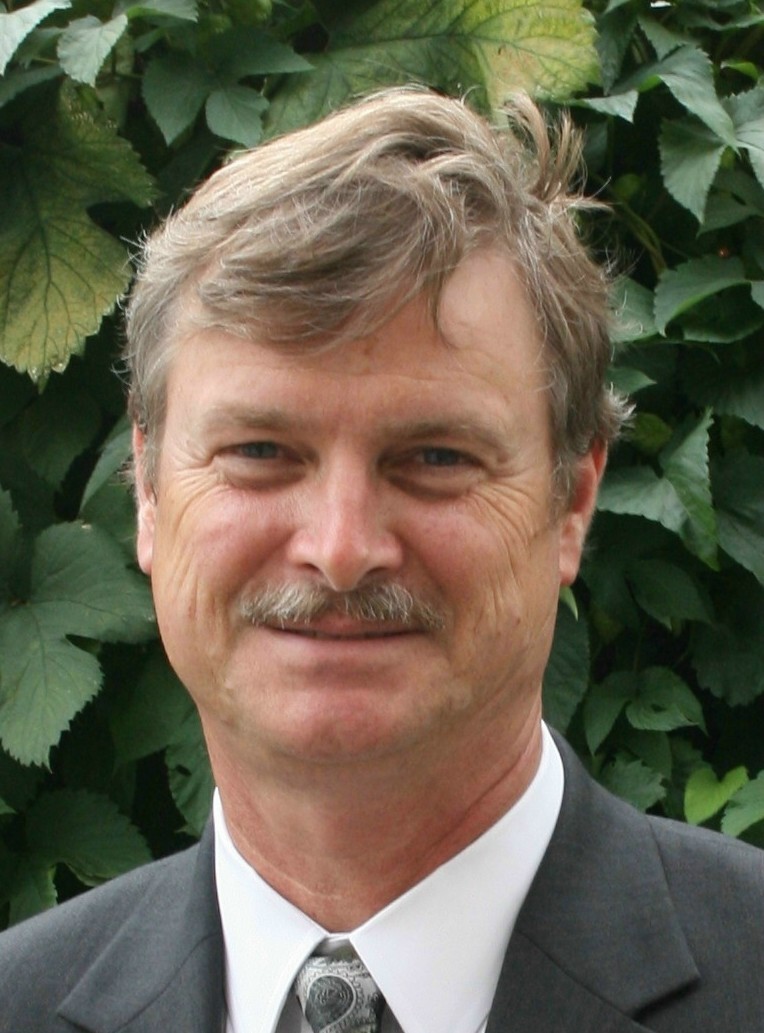
Niagara Falls, New York Mayor Paul Dyster says city has not forgotten Love Canal disaster.
At the same March 5 meeting, the council also agreed to send a resolution to New York State Governor Andrew Cuomo, calling on him to impose a state-wide moratorium on fracking or hydraulic fracturing for natural gas until, reads the resolution, the U.S. Environmental Protection Agency makes public “specific details on the dangers and possible environmental impacts of such operations.”The council’s passage of the resolutions was greeted as “great news” by Andrea Duncan, a Niagara Falls, Ontario resident who joined numerous Niagara Falls, New York at the meeting and earlier made a presentation to the council, saying; “Metaphorically speaking, why turn Niagara Falls into a giant toilet and flush the residual toxic waste over the Falls?”
The City of Niagara Falls, New York, which has suffered more than its share of economic blows in recent decades with businesses closing and a steady loss of good-paying manufacturing jobs, could have potentially made tens-of-millions of dollars by opening its wastewater treatment plant up to accepting fracking waste shipped in from other regions of the northern eastern U.S. where the underground extraction of natural gas is underway.
The city’s wastewater treatment plant, which discharges to the Niagara River above the American and Horseshoe Falls, is specially equipped with carbon beds for filtering chemicals from the effluent flowing through it. Yet it is unclear how much of the chemicals the plant could have removed from the fracking fluid before it reached the river and to complicate matters more, there are no laws currently on the books to require the companies extracting the natural gas to make the chemicals they are using in the process public.
Sam Fruscione, the Niagara Falls, New York council chairman, summed up his views on the question of the city dealing with the fracking waste this way; “You’re talking about putting it in people’s drinking water,” he said. “People are worth more than millions of dollars. … so in my mind I’ll have a good conscience walking away thinking I did the right thing for the community and I didn’t sell out to money.”
“I think people in Niagara Falls have a specially sensitivity about long-term unanticipated environmental consequences because of our unfortunate experience with Love Canal,” added Dyster of the Love Canal chemical dump that leaked through and destroyed an entire neighbourhood in the city more than three decades ago. “So I think people are very cautious here about anything that could potentially impact the environment.”
Concerns about the possibility of discharging fracking waste to the Niagara River and Lake Ontario from the Niagara Falls, New York plant have been raised by municipalities in Niagara, Ontario, including Niagara-on-the-Lake, St. Catharines, Fort Erie, Welland and Pelham, and by the Ottawa-based citizens group, the Council of Canadians. Several citizen groups in New York State have also been pressing for a ban in the state on anything to do with fracking.
This March 6, the council for the City of Buffalo, New York is also expected to approve sending a resolution to the governor, supporting a state-wide ban on fracking, even though others see the extraction of potentially large volumes of natural gas in the ground across the U.S. as another way of reducing the country’s dependence on foreign oil.
You can learn more about Niagara Falls, New York’s decision to bar fracking waste from the city by clicking on the following story in the Niagara Gazette newspaper — http://niagara-gazette.com/local/x1511867858/Councils-anti-hydrofracking-vote-brings-ovation . and by clicking on the following link for a video clip from Buffalo’s Channel 2 News – http://www.wgrz.com/news/article/159184/37/ .
(Niagara At Large invites you to share your views on this post in the comment boxes below. Please remember that NAL does not post anonymous comments or comments by people using pseudonyms. Only comments attached to real names are posted on this site.)
 Niagara At Large
Niagara Falls , New York Council’s decision is the right one, considering the list of unknowns the application to process fracking liquids at their sewage treatment facilities, Niagara Falls Council most likely ,remembers what happened back in 1980 when their brand new sewage treatment plant was destroyed by a huge influx of chemicals that literally ate the whole system, so they bipassed the sewage plant and dumped raw sewage into the Niagara River for nearly 2 years. The City does not need any more bad PR especially when we are on the cusp of celebrating 200 hundred years of peaceful relations and millions of people will see the walk on the high wire this spring.
LikeLike
Bless Mayor Dyster and Jamie King? for understanding the nature of this terrible idea of pouring contaminated water into the Great Lakes. Not just Buffalo will be hurt by this, but since the water goes to L. Ontario, our foreign shores too.
Question for Doug:
Is there anyway Cdns can get to Cuomo to make him ‘get it’?
LikeLike